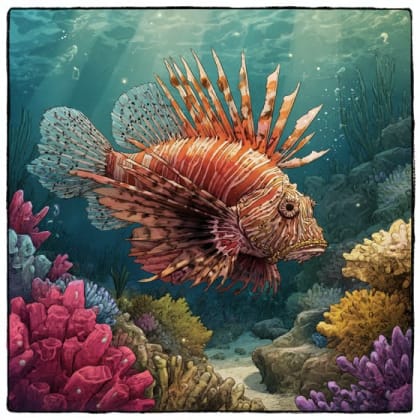


Lanternfish
Hygophum
The Lanternfish is a small, deep-sea fish known for its ability to produce light. It uses this light to communicate, attract prey, and confuse predators in the dark depths of the ocean.
Habitat: Deep Sea
The Lanternfish is a small, slender fish with large eyes and a silvery, often dark body. Its most striking feature is the intricate patterns of small, glowing photophores along its sides and belly, which emit blue-green light.
Category
FishRarity
Common
Danger
1/5 · Very low
Snaps
Be the first to snap!
Lanternfish are so numerous, they might be the most common fish in the ocean!
Some lanternfish can even flash their lights to startle attackers and escape!
Their tiny bodies are a huge part of the global ocean's food chain, feeding many large animals.
When lanternfish move, their lights twinkle like tiny stars in the dark ocean!
Lanternfish can glow from their belly using bioluminescence that helps them blend into the faint sunlight from above, making them invisible to predators below.
Lanternfish can migrate hundreds of meters between deep waters and the surface because of strong swimming muscles that help them find food and avoid daytime predators.
Lanternfish has unique patterns of light organs that help them communicate with other Lanternfish, identifying friends from foes in the dark ocean.
Lanternfish are tiny predators that eat small plankton and crustaceans floating in the ocean.
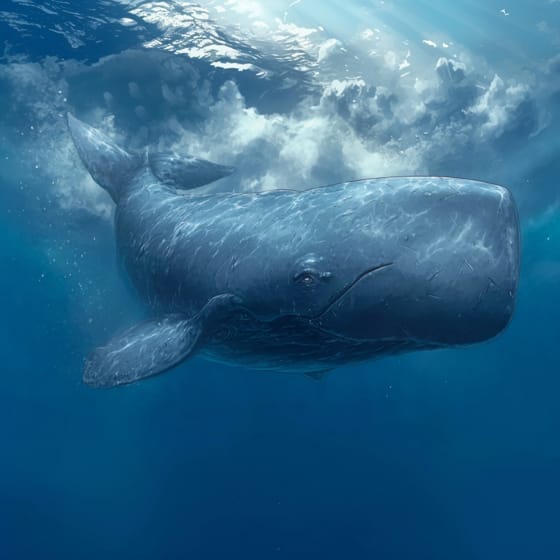
Physeter macrocephalus
A significant food source for these massive whales.
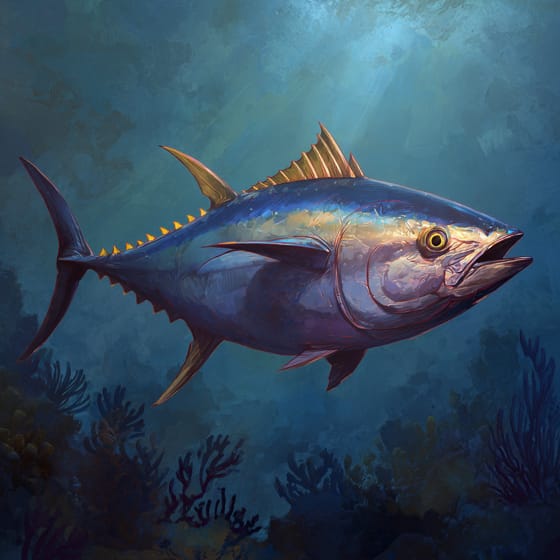
Thunnus thynnus
Tuna pursue lanternfish during their nocturnal migrations.
Dosidicus gigas
Squid are fierce predators of lanternfish in the deep.
Calanus finmarchicus
Lanternfish actively hunt and consume these small crustaceans.
Euphausia superba
Krill form a major part of the lanternfish diet globally.
Wildlife encompasses all undomesticated animal and plant life existing in their natural habitats.
Piscivorous organisms are animals that primarily subsist on a diet of fish.
Deep sea habitats are characterized by extreme pressure, darkness, and cold temperatures, supporting unique life forms below the sunlit zone.
Aquatic habitats encompass environments where organisms live predominantly in water, including oceans, rivers, lakes, and wetlands.

Migratory animals undertake seasonal movements from one region to another, typically in response to changes in climate or food availability.

Pertaining to organisms that emit light through bioluminescence or fluorescence.

Nocturnal animals are primarily active during the nighttime hours, typically resting or sleeping during the day.
Danger
1/5 · Very low
Lanternfish are not dangerous to humans but should be admired from a distance to protect their habitat.
5-15 cm
0.001-0.05 kg
1-5 years
Lanternfish are tiny predators that eat small plankton and crustaceans floating in the ocean.
1.5 km/h
Deep Sea
Foraging
1000 m
Zoom in to split clusters and explore where this object has been snapped.
Recent snaps will appear here as new observations are added.