Louse
Pediculus humanus
Lice are tiny insects that live on the hair of animals and people. They like to suck blood to survive but don't cause serious harm.
Habitat: Hair of animals and humans
The Louse is a tiny, flat, oval-shaped insect, typically grayish-white or brownish, which helps it blend into hair. It has six strong legs, each ending in a hook-like claw perfect for grasping onto hair strands.
Category
InsectsRarity
Common
Danger
2/5 · Low
Snaps
Be the first to snap!
A single female louse can lay over 100 tiny eggs during her short lifetime!
Ancient Egyptians had special combs and tools just to get rid of bothersome lice!
Lice are very fast crawlers, but they can't jump or fly at all!
Lice can sometimes change their color slightly to better match the hair they live on!
Louse has powerful pincer-like claws on its legs that help them grip onto hair, preventing them from falling off their host.
Louse can pierce skin with its mouthparts to suck tiny amounts of blood, which provides all the nutrition they need to survive.
Louse has a flattened, translucent body that allows it to blend seamlessly with the hair and skin of its host, making it hard to spot.
Louse lays its tiny eggs (nits) and glues them firmly to hair strands, ensuring they stay safely attached until they hatch.
These tiny insects drink blood from their hosts to survive and grow.
Homo sapiens
Feeds on blood from the scalp and body, causing itching and irritation.
Canis familiaris
Dog chewing lice irritate skin and fur, sometimes feeding on dead skin.
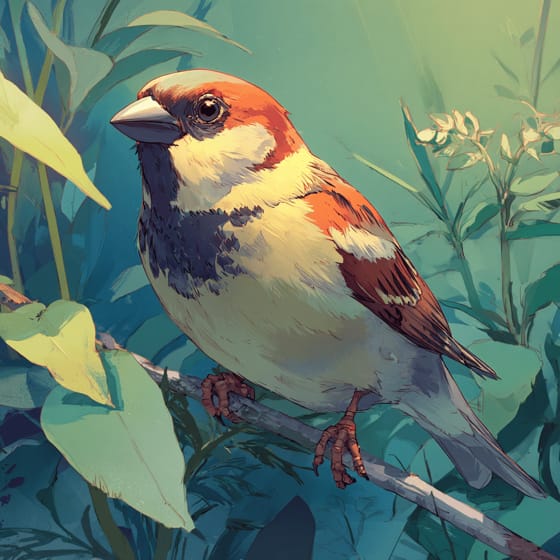
Passer domesticus
Bird lice irritate sparrows by feeding on feathers, skin flakes, or blood.
Cheyletus eruditus
This mite preys on lice and their eggs, helping to control their populations.
Wildlife encompasses all undomesticated animal and plant life existing in their natural habitats.
Solitary animals live alone for most of their lives, only interacting with others for mating or parental care.
Camouflaged describes organisms that possess coloring or patterns that allow them to blend into their environment.
This trait signifies organisms belonging to a very old evolutionary group with ancestors dating back millions of years.
This trait describes organisms that live on or in a host organism, obtaining nutrients at the host's expense.

This habitat trait indicates species that can coexist with humans in urban and suburban environments, utilizing man-made structures and green spaces.

Venomous organisms produce toxins that are injected into another animal, typically through a bite or sting.
Danger
2/5 · Low
If you have lice, tell an adult so they can help you get rid of them safely.
2-3 mm
28-32 days
These tiny insects drink blood from their hosts to survive and grow.
Hair of animals and humans
6
Zoom in to split clusters and explore where this object has been snapped.
Recent snaps will appear here as new observations are added.