Water Vole
Arvicola sapidus
Water voles are small, furry animals that love to live near rivers and ponds. They are great swimmers and have cute little faces!
Habitat: Wetlands, rivers, and ponds
The Water Vole has dense brown fur, a stout body, and a blunt nose. Unlike a rat, it possesses small, rounded ears almost hidden in its fur, and a short, furry tail. Its appearance is well-adapted for life near water.
Category
MammalsRarity
Common
Danger
1/5 · Very low
Snaps
Be the first to snap!
A water vole family can have five litters in just one year!
Their teeth never stop growing, so they gnaw plants to keep them short!
They make secret paths in tall grass, like mini highways!
Water voles can create underwater entrances to their burrows!
Water Vole has powerful claws and teeth that help them dig intricate tunnel systems and burrows into riverbanks for shelter and safety.
Water Vole can eat many kinds of plants, like reeds and grasses, because of its specialized digestive system, that helps them thrive on a plant-based diet.
Mostly eats plants like grasses, sedges, and roots found near water.
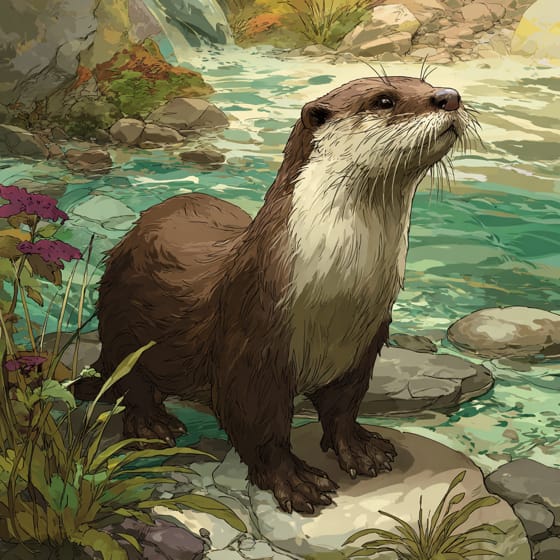
Lutra lutra
Otters are skilled hunters of aquatic mammals.
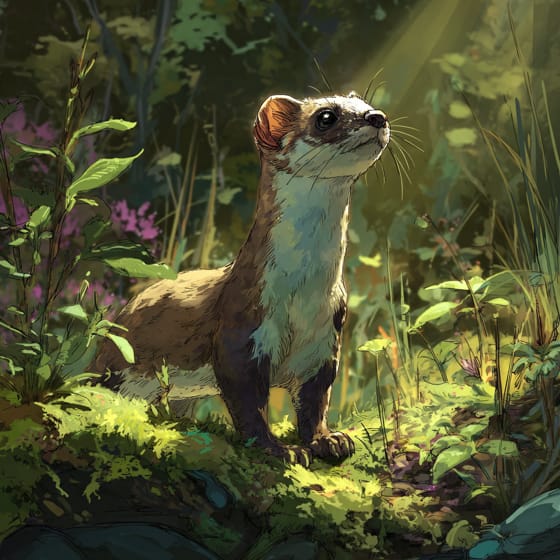
Mustela erminea
Stoats are swift predators hunting small rodents.

Tyto alba
Owls hunt them from the air, especially at dusk.
Carex acuta
They frequently feed on the leaves and stems of sedges.
Phragmites australis
Water voles often consume new shoots and stems of reeds.
Wildlife encompasses all undomesticated animal and plant life existing in their natural habitats.
Furry describes animals possessing a dense covering of soft hair or fur.
Social animals live in organized groups, cooperating for survival benefits such as foraging, defense, and raising offspring.
Burrowing animals dig tunnels and chambers in the ground, using these subterranean structures for shelter, hunting, or breeding.

This trait characterizes organisms whose diet consists entirely or primarily of plant material.

This habitat trait identifies species found in wetlands, which are areas of land saturated with water, either permanently or seasonally, including marshes, swamps, and bogs.

Nocturnal animals are primarily active during the nighttime hours, typically resting or sleeping during the day.
Danger
1/5 · Very low
Water voles are gentle creatures. Always watch animals from a safe distance and don't try to touch them.
16-24 cm
0.16-0.35 kg
1-2 years
10 km/h
Mostly eats plants like grasses, sedges, and roots found near water.
Wetlands, rivers, and ponds
Foraging
4-6
Zoom in to split clusters and explore where this object has been snapped.
Recent snaps will appear here as new observations are added.