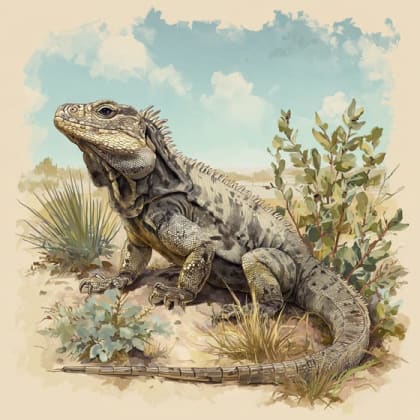
Western Hognose Snake
Heterodon nasicus Baird &
The Western Hognose Snake is a small snake that loves to burrow in the sand. It has a cute, upturned nose!
Habitat: Sandy areas and grasslands
The Western Hognose Snake has a stout body and rough, keeled scales. Its most distinguishing feature is an upturned, pig-like snout. Coloration varies greatly from sandy yellow, tan, or gray, often with darker brown or black blotches down its back.
Category
ReptilesRarity
Common
Danger
3/5 · Moderate
Snaps
Be the first to snap!
A special tooth helps them 'pop' puffed-up toads like balloons to eat them!
These snakes get their name because their unique nose looks just like a tiny pig's!
They can sometimes play dead so convincingly, you might think they're truly gone!
When threatened, they dramatically flatten their neck and hiss like a cobra!
Western Hognose Snake has a unique upturned snout that helps them dig burrows and search for prey underground.
Western Hognose Snake can play dead by flipping over, going limp, and even releasing a stinky musk to escape predators.
Western Hognose Snake has a mild venom that helps them subdue and safely eat toxic toads by deflating them.
Western Hognose Snake can flatten its head and hiss loudly, making them look and sound like a much more dangerous viper.
These snakes primarily feast on amphibians like toads and frogs, but will also hunt small rodents.
Age differences: Younger snakes might eat more insects and smaller prey.
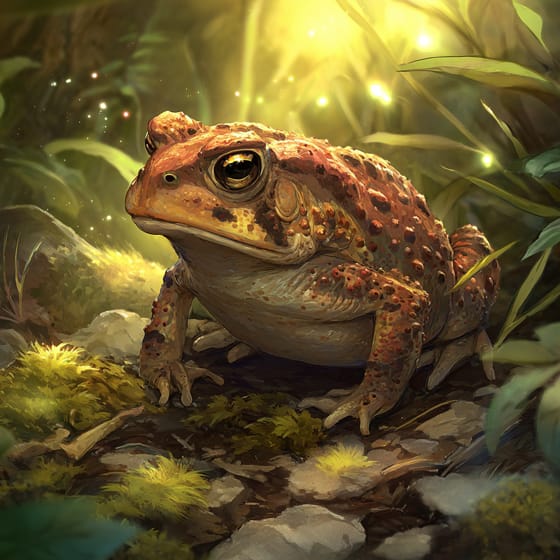
Anaxyrus americanus
A favorite meal, despite its toxins.
Lithobates pipiens
They are skilled at catching these quick amphibians.
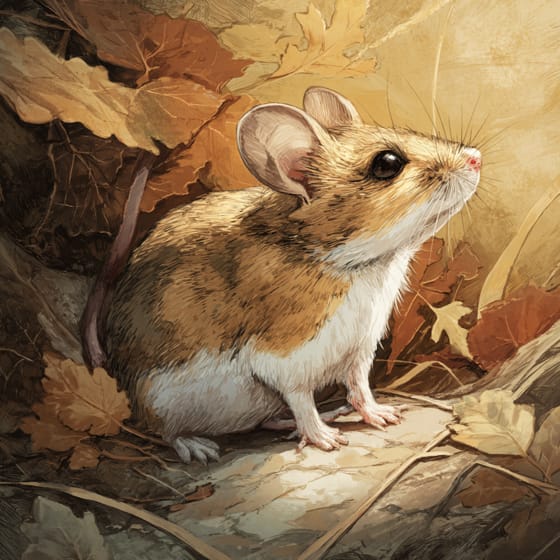
Peromyscus maniculatus
Occasionally preys on small, unsuspecting rodents.
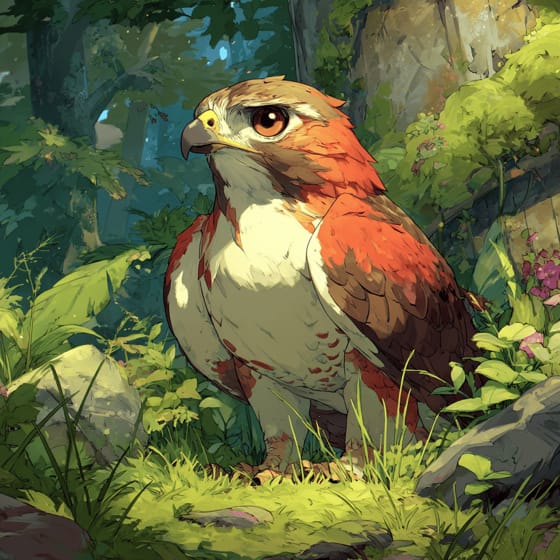
Buteo jamaicensis
Juvenile snakes are prey for hungry raptors.
Wildlife encompasses all undomesticated animal and plant life existing in their natural habitats.
Burrowing animals dig tunnels and chambers in the ground, using these subterranean structures for shelter, hunting, or breeding.
Camouflaged describes organisms that possess coloring or patterns that allow them to blend into their environment.
Grassland habitats are terrestrial biomes dominated by grasses and herbaceous plants, supporting a variety of grazing animals.

This trait identifies organisms whose diet consists entirely or primarily of animal tissue.

Nocturnal animals are primarily active during the nighttime hours, typically resting or sleeping during the day.
Danger
3/5 · Moderate
Look but don’t touch. Keep a safe distance and wash hands after exploring.
38-91 cm
0.05-0.25 kg
8-15 years
5 km/h
These snakes primarily feast on amphibians like toads and frogs, but will also hunt small rodents.
Sandy areas and grasslands
Foraging
4-23
Zoom in to split clusters and explore where this object has been snapped.
Recent snaps will appear here as new observations are added.