


Oyster Mushroom
Pleurotus
Oyster Mushrooms have a fan-shaped cap and are very tasty. They grow in clusters and are often found on decaying wood!
Habitat: Decaying wood in forests
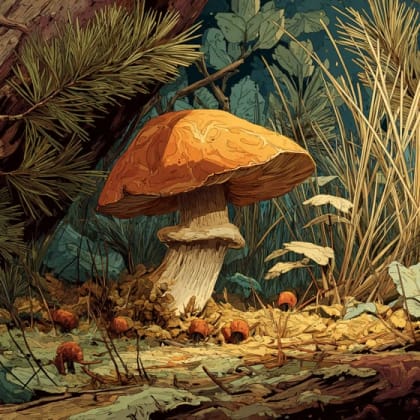
The Oyster Mushroom has broad, fan or oyster-shaped caps, often appearing in shelf-like clusters on wood. Its color varies from white, gray, or tan to dark brown, sometimes with bluish or pinkish hues. It lacks a true stem, instead attaching directly to its host.
Category
FungiRarity
Common
Danger
1/5 · Very low
Snaps
Be the first to snap!
Oyster Mushrooms have gills that make white spore prints!
Some Oyster Mushrooms eat tiny worms!
They help clean up forests by munching dead trees.
You can grow these mushrooms in a bucket!
Oyster Mushroom can trap and digest tiny worms called nematodes because it produces a special toxin that helps it get nutrients.
Oyster Mushroom has powerful enzymes that help it break down dead wood, returning nutrients to the forest floor for other plants.
Oyster Mushroom can grow very quickly on logs and stumps, helping it spread and decompose wood before competitors arrive.
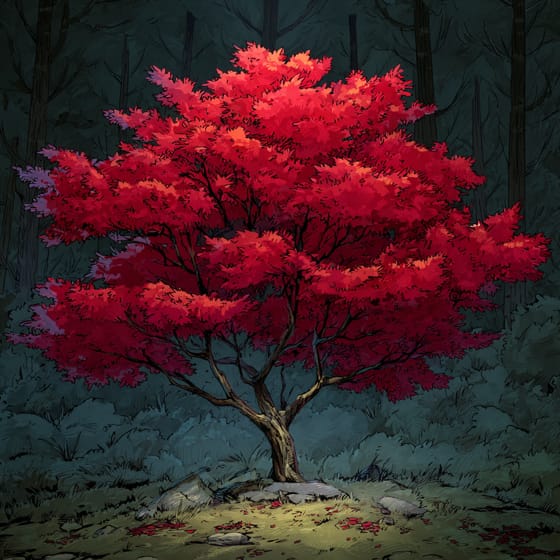
Acer rubrum
Decomposes dead wood of this common hardwood tree.
Caenorhabditis elegans
Produces toxins to paralyze and digest these tiny worms.
Arion ater
Slugs and snails often graze on its fruiting bodies.
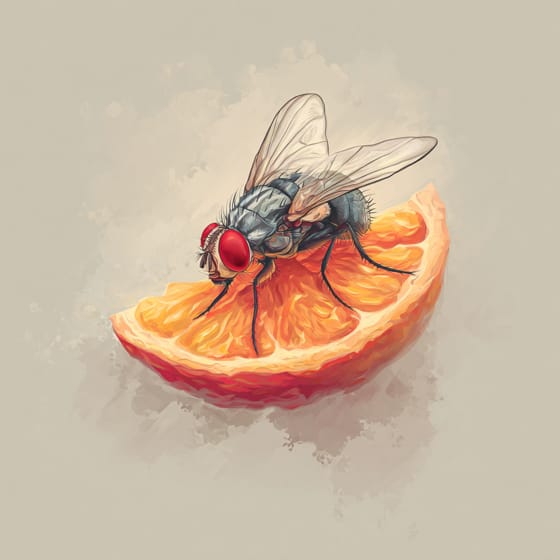
Drosophila melanogaster
Larvae of these flies often consume mushroom tissue.
Spore-producing organisms reproduce by releasing small, often single-celled, reproductive units called spores.
Edible plants are those parts of a plant that are considered safe for human consumption.
This trait refers to fungal species that are safe for human consumption when properly identified and prepared.
Rapid growing plants exhibit accelerated growth rates, quickly increasing in size and biomass within a short period.

Describes organisms that break down dead organic material, recycling nutrients back into the ecosystem.

Forest habitats are terrestrial environments dominated by dense tree cover, supporting a high diversity of plant and animal life.
Danger
1/5 · Very low
Do not pick or eat anything you find. Some plants and mushrooms can be harmful.
2-10 cm
edible
5-25 cm
Decaying wood in forests
wood
Fall to spring, some year-round
White
Zoom in to split clusters and explore where this object has been snapped.
Recent snaps will appear here as new observations are added.