





Red Maple
Acer rubrum
The Red Maple is known for its bright red leaves in the fall. It grows quickly and provides beautiful colors to the landscape!
Habitat: Wetlands and forests
The Red Maple is known for its brilliant red fall leaves, which can also be orange or yellow. Its bark is smooth and light gray when young, becoming dark and ridged with age. Look for small, reddish flowers and buds early in spring, giving it a reddish tint even before leaves appear.
Category
TreesRarity
Common
Danger
1/5 · Very low
Snaps
118
It is the most widespread native tree in eastern North America.
Its sap can be tapped for maple syrup, similar to Sugar Maples!
Red maple wood is used for furniture, flooring, and even musical instruments.
The Red Maple is the state tree of Rhode Island!
Red Maple has early spring flowers, blooming before most trees, giving pollinators a valuable early food source.
Red Maple has winged seeds, called samaras, that twirl like helicopters to spread far from the tree.
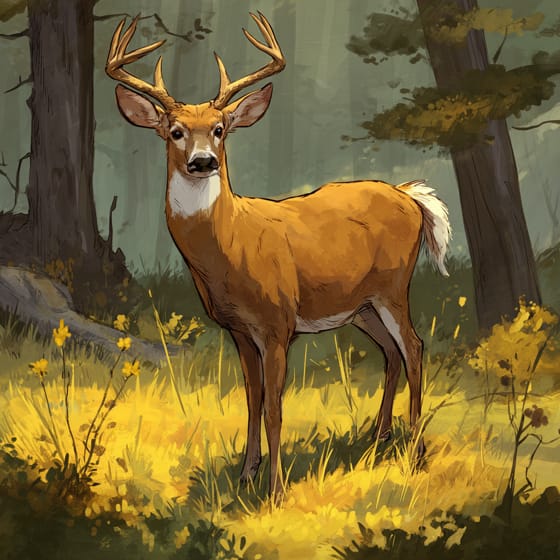
Odocoileus virginianus
Deer browse on young leaves and twigs.
Apis mellifera
Bees gather nectar and pollen from early flowers.
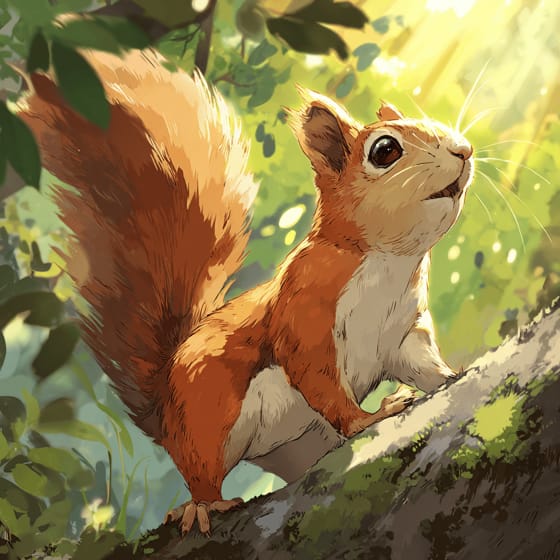
Sciurus carolinensis
Squirrels eat the tree's winged seeds (samaras).
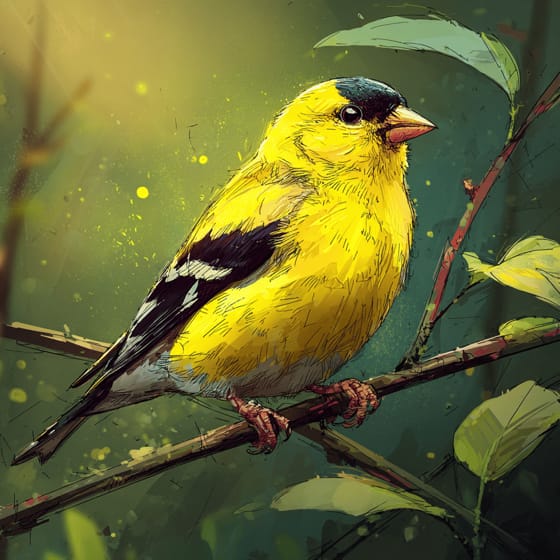
Spinus tristis
Goldfinches feed on the protein-rich seeds.
Deciduous plants periodically shed all their leaves, typically during autumn or dry seasons.
Broadleaf trees are angiosperms characterized by flat, wide leaves that are typically shed annually in temperate climates.
Fall color refers to the seasonal change in foliage pigmentation, primarily in deciduous plants, displaying vibrant hues.
Rapid growing plants exhibit accelerated growth rates, quickly increasing in size and biomass within a short period.

Forest habitats are terrestrial environments dominated by dense tree cover, supporting a high diversity of plant and animal life.

This habitat trait identifies species found in wetlands, which are areas of land saturated with water, either permanently or seasonally, including marshes, swamps, and bogs.
Danger
1/5 · Very low
Do not pick or eat anything you find. Some plants and mushrooms can be harmful.
The easiest way to identify Red Maple is to use the Snappit nature identifier app.
15-30 m
10-15 m
No
45-90 cm
80-150 years
Wetlands and forests
Samara
Zoom in to split clusters and explore where this object has been snapped.

Pennsylvania, US
You might spot Mountain Laurel, Ghost Pipe, and Sweetfern.
View guide →

Wisconsin, US
You might spot Purple Pitcher Plant, Papillose Peatmoss, and Tamarack.
View guide →

Vermont, US
You might spot Japanese Knotweed and Red-Bellied Woodpecker.
View guide →

Virginia, US
You might spot Spotted Lanternfly and Northern Cardinal.
View guide →

Massachusetts, US
You might spot Mountain Laurel, Azure Bluet, and Partridgeberry.
View guide →

Massachusetts, US
You might spot Threeleaf Goldthread and Spotted Salamander.
View guide →
Take the discovery with you
Snap it with Snappit to identify it, learn what makes it special, and add the discovery to your collection.









