Plaice
Pleuronectes platessa
Plaice is a flat fish with a tasty flavor. They often rest on the seabed and are known for their colorful spots!
Habitat: Sea floor
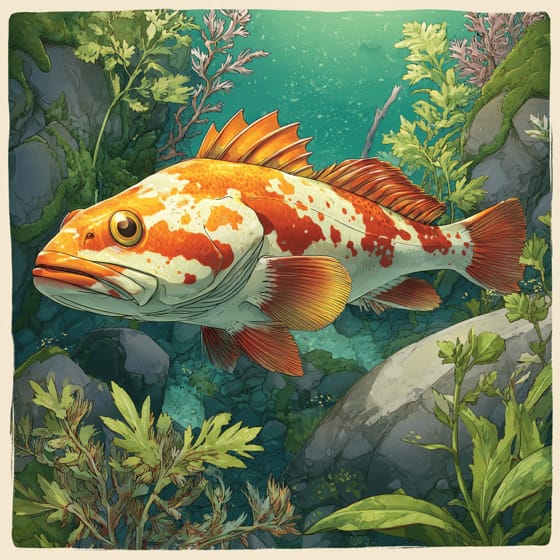
The Plaice is a flatfish with both eyes positioned on its right side. Its olive-brown back is covered with bright, round orange or red spots, which help it blend into the seabed. Its underside is pure white.
Category
FishRarity
Common
Danger
2/5 · Low
Snaps
Be the first to snap!
Baby plaice start life swimming upright, then tilt over as they grow!
Plaice can live for almost 30 years, making them quite old for a fish!
Their unique orange spots are a tell-tale sign that it's a plaice!
You can tell a plaice's age by counting the rings on its ear bone!
Plaice can change their skin color and pattern because it helps them perfectly blend into the sandy or muddy seafloor.
Plaice has a super flat body that helps them hide from predators by burying themselves quickly into the seabed.
Plaice has eyes that move to one side as they grow, which helps them see above while lying flat on the ocean floor.
Plaice are hunters, munching on small sea creatures found hiding in the sand.
Age differences: Younger plaice eat smaller crustaceans, while adults tackle larger worms and molluscs.
Gadus morhua
Adult plaice can become prey for large cod.

Phoca vitulina
Seals hunt plaice as part of their varied marine diet.
Arenicola marina
Plaice actively forage for lugworms buried in the seabed.
Wildlife encompasses all undomesticated animal and plant life existing in their natural habitats.
Solitary animals live alone for most of their lives, only interacting with others for mating or parental care.
Camouflaged describes organisms that possess coloring or patterns that allow them to blend into their environment.
Colorful describes organisms or objects displaying a wide range of bright and distinct colors.

Piscivorous organisms are animals that primarily subsist on a diet of fish.

This trait characterizes organisms with an exceptionally long lifespan compared to others of their kind.

Aquatic habitats encompass environments where organisms live predominantly in water, including oceans, rivers, lakes, and wetlands.

Marine habitats encompass all saltwater environments of the Earth's oceans, supporting an immense diversity of aquatic life.
Danger
2/5 · Low
Watch quietly from a distance and never try to feed or chase wild animals.
25-50 cm
0.5-2 kg
15-20 years
Plaice are hunters, munching on small sea creatures found hiding in the sand.
10 km/h
Sea floor
Foraging
200 m
Zoom in to split clusters and explore where this object has been snapped.
Recent snaps will appear here as new observations are added.