





Harbor Seal
Phoca vitulina
Harbor seals are playful marine mammals with spotted coats. They rest on beaches and rocks.
Habitat: Coastal waters and beaches.
The Harbor Seal has a round head and a sleek, torpedo-shaped body. Its short, stiff fur is typically grey, brown, or tan, covered in dark, irregular spots unique to each individual. They have small, paddle-like fore-flippers.
Category
MammalsRarity
Common
Danger
3/5 · Moderate
Snaps
7
Each seal has unique spot patterns, like fingerprints, allowing individual identification.
Harbor seals are relatively solitary, preferring smaller groups than other seals.
Harbor seals often sleep floating vertically, a position called 'bottling'.
They 'haul out' on land or ice to rest and give birth.
Harbor Seals can slow their heart rate and collapse their lungs to hold breath for over 25 minutes while diving for food.
Harbor Seals have highly sensitive whiskers that help them detect fish movements and locate prey even in murky water.
Harbor Seals have a thick layer of blubber that helps them stay warm in frigid ocean waters and conserve energy.
Harbor Seals have excellent underwater hearing, helping them detect prey and avoid predators in the ocean.
Harbor seals munch on various fish, crustaceans, and cephalopods found in coastal waters.

Orcinus orca
Orcas are powerful predators that hunt seals.
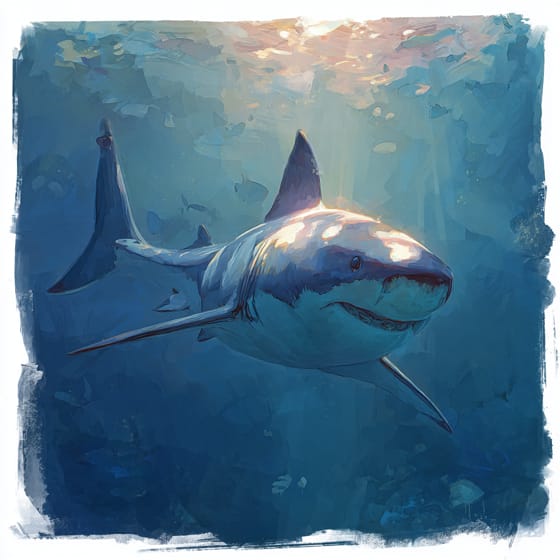
Carcharodon carcharias
Large sharks prey on seals, especially younger ones.
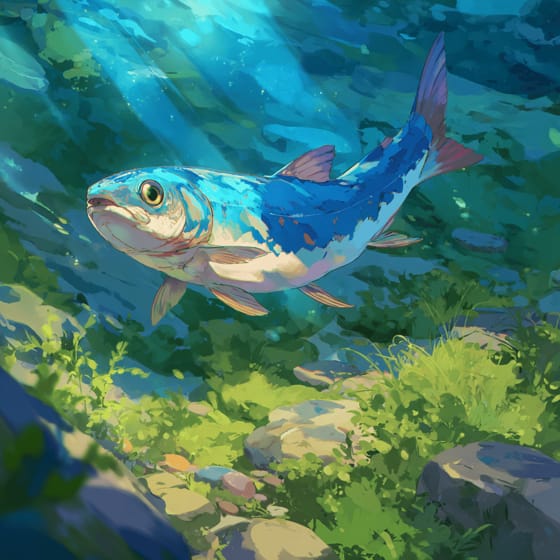
Clupea harengus
Harbor seals actively hunt and eat schooling fish.
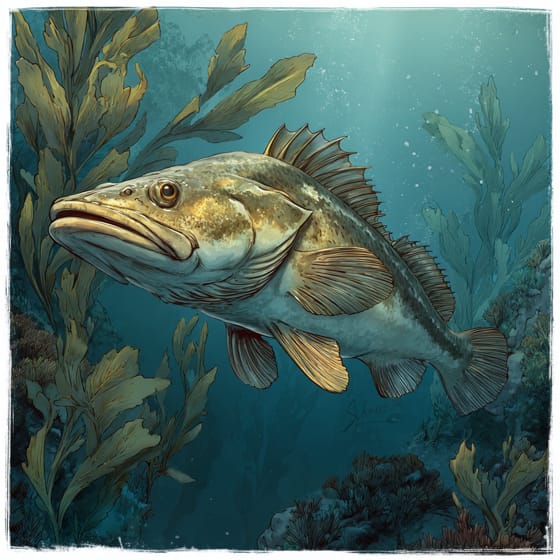
Gadus macrocephalus
Cod are a common food source for harbor seals.
Macrocystis pyrifera
Kelp forests provide shelter for fish that seals eat.
Wildlife encompasses all undomesticated animal and plant life existing in their natural habitats.
Furry describes animals possessing a dense covering of soft hair or fur.
Possessing prominent sensory hairs or vibrissae, often around the snout.
Social animals live in organized groups, cooperating for survival benefits such as foraging, defense, and raising offspring.

Piscivorous organisms are animals that primarily subsist on a diet of fish.

Coastal habitats are dynamic environments located along the interface between land and sea, influenced by tides, waves, and saltwater.

Aquatic habitats encompass environments where organisms live predominantly in water, including oceans, rivers, lakes, and wetlands.
Danger
3/5 · Moderate
Stay back — seals can bite if approached.
The easiest way to identify Harbor Seal is to use the Snappit nature identifier app.
120-190 cm
55-150 kg
20-30 years
20 km/h
Harbor seals munch on various fish, crustaceans, and cephalopods found in coastal waters.
Coastal waters and beaches.
Pursuit
Zoom in to split clusters and explore where this object has been snapped.

California, US
You might spot Monarch, Canada Goose, and Western Gull.
View guide →

US
You might spot Common Eider, American Herring Gull, and Common Periwinkle.
View guide →

Wisconsin, US
You might spot Polar Bear, Grizzly Bear, and Harbor Seal.
View guide →

California, US
You might spot Orca, Bottlenose Dolphin, and Beluga Whale.
View guide →
Massachusetts, US
You might spot Sea Turtle, African Penguin, and Penguin.
View guide →
Oregon, US
You might spot Sea Otter, Harbor Seal, and Sea Lion.
View guide →
Take the discovery with you
Snap it with Snappit to identify it, learn what makes it special, and add the discovery to your collection.





.jpg&width=800)



.JPG&width=800)



.jpg&width=800)
