Bull Shark
Carcharhinus leucas
The Bull Shark is a strong and powerful shark that can live in both salt and freshwater. They are known for their tough nature!
Habitat: Coastal and freshwater areas
The Bull Shark has a stocky, robust body with a broad, flat snout and small eyes. It is typically grey on top and white underneath, a common camouflage for open water. Its triangular dorsal fin is large and set far forward on its back.
Category
FishRarity
Rare
Danger
2/5 · Low
Snaps
Be the first to snap!
Baby bull sharks, called pups, are born alive and ready to hunt from day one!
Bull sharks have incredibly strong jaws, delivering the most powerful bite of any shark!
Their sharp teeth are constantly replaced by new ones, like a conveyor belt!
They can travel thousands of miles up rivers, even far inland from the sea!
Bull Shark can swim in both fresh and saltwater because of special kidneys that help them adapt to different water types.
Bull Shark has an incredibly strong bite force that helps them crush bones and capture prey effectively.
Bull Shark can surprise prey by waiting in murky waters because of its excellent camouflage and sudden burst speed.
These powerful hunters eat almost anything they can catch, from fish to other sharks!
Age differences: Young pups mostly eat small fish and crustaceans, growing to larger prey as they mature.
Mugil cephalus
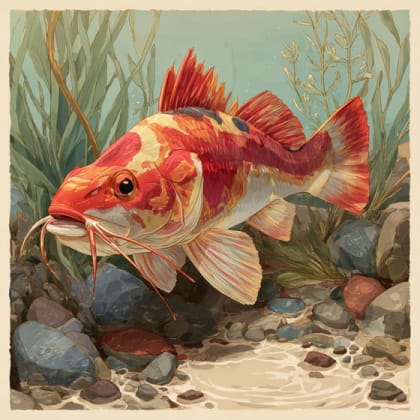
A common fish found in estuaries, often targeted prey.
Dasyatis sabina
Often preys on stingrays found in shallow coastal waters.
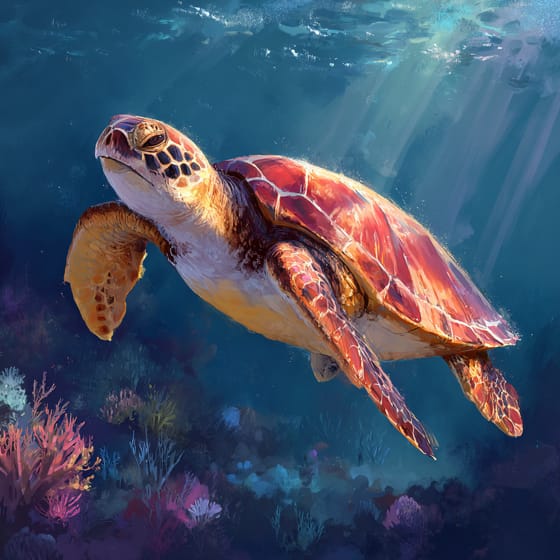
Caretta caretta
Juvenile turtles are sometimes preyed upon by larger bull sharks.
Carcharhinus limbatus
As apex predators, they can prey on smaller shark species.
Wildlife encompasses all undomesticated animal and plant life existing in their natural habitats.
Piscivorous organisms are animals that primarily subsist on a diet of fish.
Coastal habitats are dynamic environments located along the interface between land and sea, influenced by tides, waves, and saltwater.
This trait identifies organisms whose diet consists entirely or primarily of animal tissue.

Freshwater habitats include non-saline aquatic environments such as rivers, lakes, ponds, and wetlands, vital for numerous species.

Aquatic habitats encompass environments where organisms live predominantly in water, including oceans, rivers, lakes, and wetlands.
Danger
2/5 · Low
Watch quietly from a distance and never try to feed or chase wild animals.
200-350 cm
90-230 kg
12-16 years
These powerful hunters eat almost anything they can catch, from fish to other sharks!
20 km/h
Coastal and freshwater areas
Ambush
150 m
Zoom in to split clusters and explore where this object has been snapped.
Recent snaps will appear here as new observations are added.