






Spotted Turtle
Clemmys guttata
The Spotted Turtle has tiny yellow spots on its dark shell, making it look like a starry night! They enjoy warm, sunny days.
Habitat: Wetlands and shallow waters
The Spotted Turtle is a small reptile, easily recognized by its smooth, dark black or brown shell covered in bright yellow or orange spots. Its head and limbs also often bear yellow spots, making it stand out from other freshwater turtles.
Category
ReptilesRarity
Common
Danger
2/5 · Low
Snaps
25
Despite their small size, they can live for over 30 years in the wild.
Each turtle's unique pattern of spots is like a fingerprint; no two are exactly alike.
Their bright spots may help camouflage them among sun-dappled aquatic plants.
They are one of the earliest turtles to emerge in spring, sometimes when there's still ice!
Spotted Turtles can be active in near-freezing water because their bodies tolerate cold better than many other reptiles.
Spotted Turtles can burrow into mud or sand to escape extreme heat or cold, staying safe and hidden.
Spotted Turtles have webbed feet that help them glide effortlessly through shallow water as they search for food.
Spotted Turtles are opportunistic eaters, feasting on small creatures and plants found in their watery homes.
Age differences: Younger turtles tend to eat more protein (insects/worms), while adults consume more plant matter.

Procyon lotor
Raccoons often raid turtle nests for eggs.
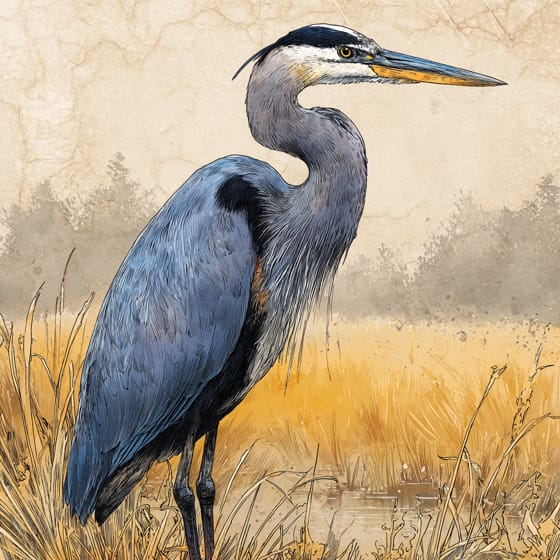
Ardea herodias
Large birds like herons can prey on young turtles.
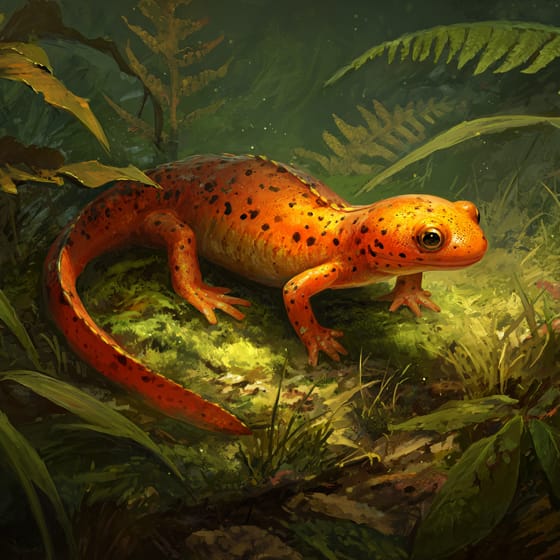
Notophthalmus viridescens
Spotted Turtles may consume newt larvae or eggs.
Lemna minor
Turtles forage on this small floating aquatic plant.
Wildlife encompasses all undomesticated animal and plant life existing in their natural habitats.
This trait identifies organisms whose diet includes both plant and animal matter.
This habitat trait identifies species found in wetlands, which are areas of land saturated with water, either permanently or seasonally, including marshes, swamps, and bogs.
Armored describes animals protected by a hard, external covering or shell for defense.

Nocturnal animals are primarily active during the nighttime hours, typically resting or sleeping during the day.
Danger
2/5 · Low
Look but don’t touch. Keep a safe distance and wash hands after exploring.
10-12.5 cm
0.15-0.23 kg
15-30 years
Spotted Turtles are opportunistic eaters, feasting on small creatures and plants found in their watery homes.
1.5 km/h
Wetlands and shallow waters
Foraging
2-8
Zoom in to split clusters and explore where this object has been snapped.

Virginia, US
You might spot Monarch, Eastern Box Turtle, and Asian Lady Beetle.
View guide →
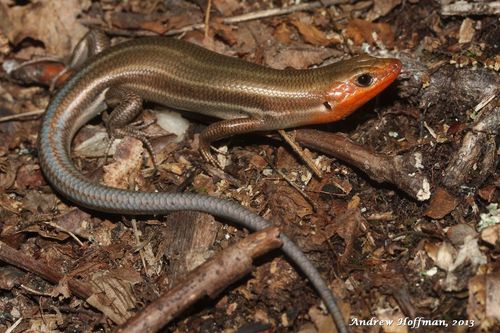
Virginia, US
You might spot Common Five-Lined Skink and Eastern Box Turtle.
View guide →
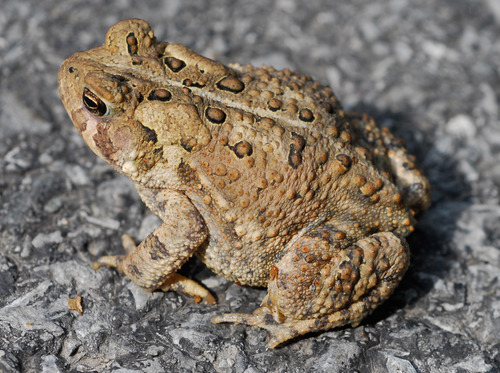
Virginia, US
You might spot American Toad, American Sweetgum, and Partridgeberry.
View guide →


















