





Great Blue Heron
Ardea herodias
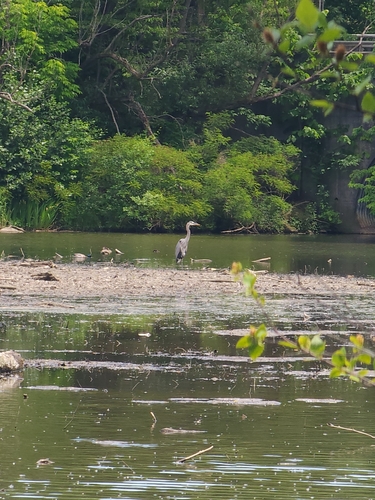
The Great Blue Heron is a tall, majestic bird with long legs and a long neck. It loves to hunt for fish in shallow waters and can stand very still for a long time.
Habitat: Wetlands
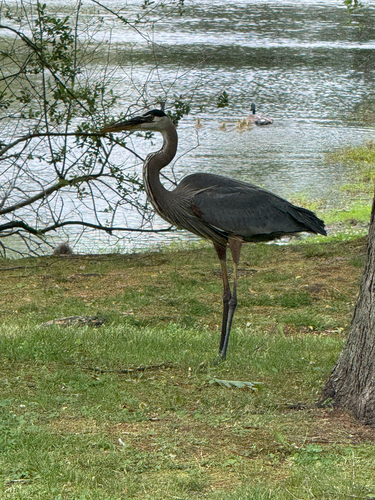
The Great Blue Heron is a large wading bird with a grayish-blue body, often displaying chestnut streaking on its neck and a shaggy black crest. It has a long S-curved neck, yellowish dagger-like bill, and dark flight feathers, making it distinct from smaller herons.
Category
BirdsRarity
Common
Danger
1/5 · Very low
Snaps
1,253
A heron can swallow a fish almost as big as its own head in one gulp!
Baby herons (chicks) will regurgitate food to feed their siblings if their parents are busy!
Despite their size, herons weigh very little because their bones are hollow and filled with air.
They have specialized "powder down" feathers that help clean fish slime from their other feathers!
Great Blue Herons can strike quickly with their sharp, dagger-like bills, which helps them snatch slippery fish from the water.
Great Blue Herons can stand incredibly still in water for long periods, which helps them ambush unsuspecting prey.
Great Blue Herons have broad, powerful wings that allow for silent, graceful flight, helping them surprise prey from above.
These patient hunters eat mostly fish, but also frogs, insects, and even small mammals.

Haliaeetus leucocephalus
Predates on heron chicks and eggs in rookeries.
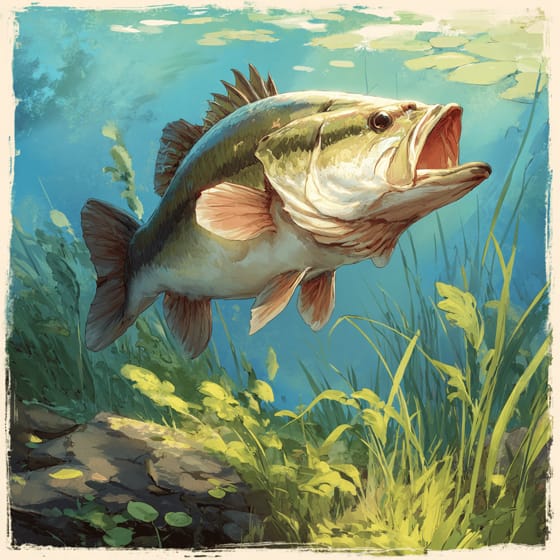
Micropterus salmoides
A primary fish prey in freshwater habitats.
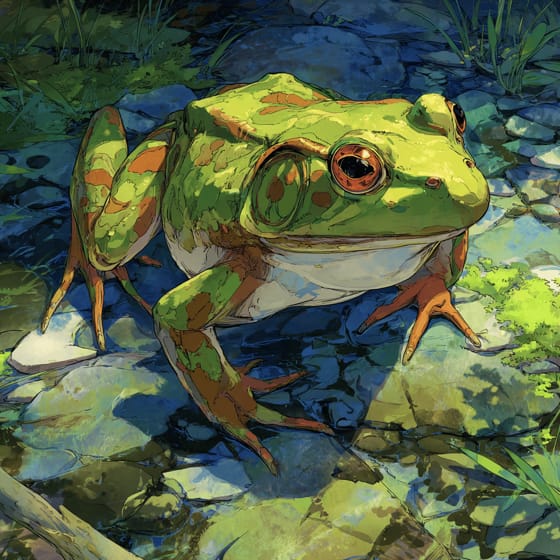
Lithobates catesbeianus
Frequently targeted prey in wetlands.
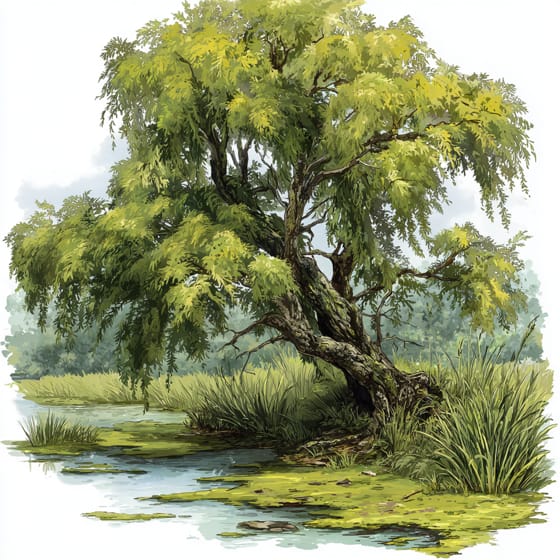
Salix nigra
Often used for nesting colonies (rookeries).
Wildlife encompasses all undomesticated animal and plant life existing in their natural habitats.
Feathered describes animals, primarily birds, possessing a covering of feathers.
Aerial creatures spend a significant portion of their lives airborne, utilizing flight for various activities such as hunting, migration, or nesting.
Piscivorous organisms are animals that primarily subsist on a diet of fish.

This habitat trait identifies species found in wetlands, which are areas of land saturated with water, either permanently or seasonally, including marshes, swamps, and bogs.

Diurnal animals are primarily active during daylight hours, typically resting or sleeping at night.
Danger
1/5 · Very low
Observe quietly from a distance to avoid scaring the heron. Do not disturb their nests.
The easiest way to identify Great Blue Heron is to use the Snappit nature identifier app.
97-137 cm
167-201 cm
2.1-2.5 kg
15-24 years
45 km/h
These patient hunters eat mostly fish, but also frogs, insects, and even small mammals.
Wetlands
Zoom in to split clusters and explore where this object has been snapped.
Jun 18, 2026
Arnold ArboretumPhoto attribution
(c) Teá Montagna, some rights reserved (CC BY)
License: CC BY 4.0 ↗
Image may be shown cropped inside the card frame.
Jun 13, 2026
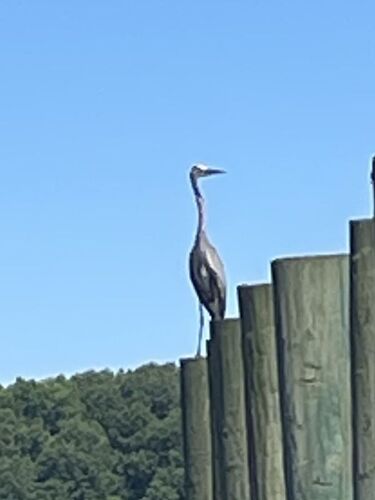
Blackstone Boulevard–Cole Avenue–Grotto Avenue Historic DistrictPhoto attribution
(c) lejones417, some rights reserved (CC BY-SA)
License: CC BY-SA 4.0 ↗
Image may be shown cropped inside the card frame.
Jun 6, 2026
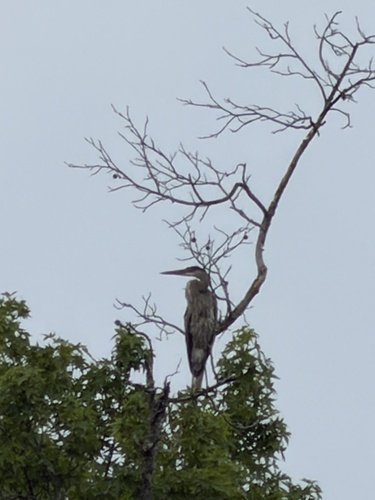
Auburn University Historic DistrictPhoto attribution
(c) Djibo Zanzot, some rights reserved (CC BY-SA)
License: CC BY-SA 4.0 ↗
Image may be shown cropped inside the card frame.
Jun 5, 2026
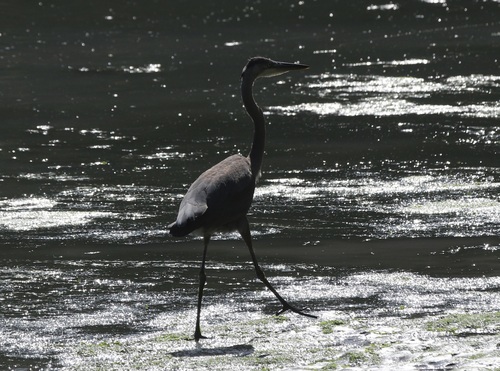
Aquarium of the BayPhoto attribution
(c) Cricket Raspet, some rights reserved (CC BY)
License: CC BY 4.0 ↗
Image may be shown cropped inside the card frame.
Jun 4, 2026
Ambler Heights Historic DistrictPhoto attribution
(c) Jensyn Scott, some rights reserved (CC BY)
License: CC BY 4.0 ↗
Image may be shown cropped inside the card frame.

New Jersey, US
You might spot Garlic Mustard, Sensitive Fern, and Common Mugwort.
View guide →

Alabama, US
You might spot Elf Orpine, Canada Goose, and Leatherleaf Mahonia.
View guide →
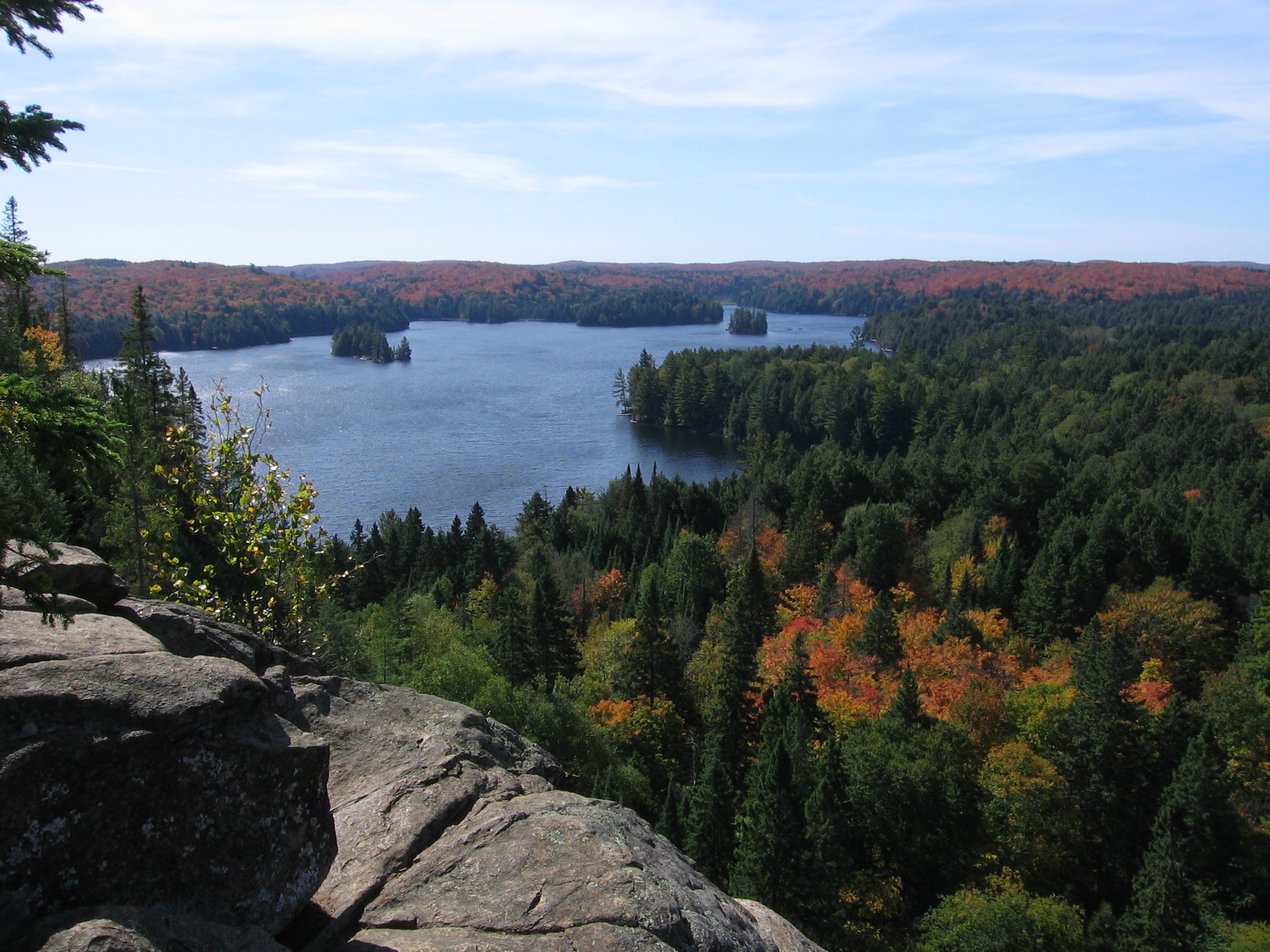
Ontario, CA
You might spot Canada Jay, American Beaver, and Black-Capped Chickadee.
View guide →

Ohio, US
You might spot Eastern Fox Squirrel and Spotted Lanternfly.
View guide →

Tennessee, US
You might spot House Sparrow, Northern Mockingbird, and Gulf Fritillary.
View guide →

California, US
You might spot Acorn Woodpecker and Western Fence Lizard.
View guide →
Take the discovery with you
Snap it with Snappit to identify it, learn what makes it special, and add the discovery to your collection.




.jpg&width=800)









