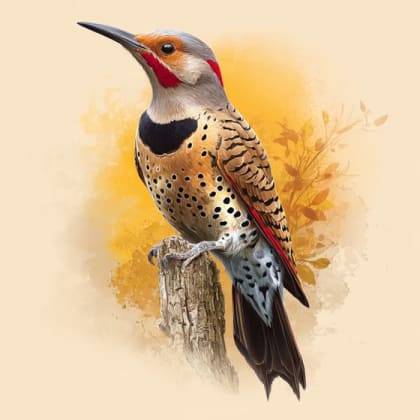
Common Swift
Apus apus
The Common Swift is a small, fast bird that loves to fly high in the sky. They are known for their amazing acrobatics as they swoop and glide through the air.
The Common Swift has a sooty-brown body with long, narrow, scythe-like wings that give it a distinctive boomerang shape in flight. It has a short, forked tail and a small pale throat patch, making it look almost entirely dark against the sky.
Category
BirdsRarity
Common
Danger
1/5 · Very low
Snaps
Be the first to snap!
Common Swifts often mate high in the air, a tricky feat for flying birds!
The scientific name, Apus, means 'no foot' in Greek, as they rarely land.
Their nests are glued together with their own sticky saliva, mixed with feathers and debris!
Young swifts stay in their nest longer than most birds, up to 56 days!
Common Swift can fly for many months without landing because of their efficient flight, helping them continuously forage and migrate.
Common Swift has the unique ability to sleep while flying, allowing them to rest during incredibly long, non-stop journeys.
Common Swift can reach incredible speeds thanks to their streamlined bodies and powerful wings, helping them expertly chase airborne insects.
They catch and eat many types of flying insects, like tiny spiders and aphids, high in the air.
Falco subbuteo
A swift predator that hunts swifts in flight.
Musca domestica
Common Swift catches and eats these flies in the air.
Bombus terrestris
Swifts will prey on various flying Hymenoptera.
Cladosporium sphaerospermum
Nests can harbor fungi due to damp, sheltered conditions.
Wildlife encompasses all undomesticated animal and plant life existing in their natural habitats.
Feathered describes animals, primarily birds, possessing a covering of feathers.
Aerial creatures spend a significant portion of their lives airborne, utilizing flight for various activities such as hunting, migration, or nesting.
This trait identifies organisms whose diet primarily consists of insects and other small invertebrates.

Diurnal animals are primarily active during daylight hours, typically resting or sleeping at night.

This trait identifies organisms that exhibit exceptional swiftness in movement for hunting, escape, or travel.

Migratory animals undertake seasonal movements from one region to another, typically in response to changes in climate or food availability.

This habitat trait indicates species that can coexist with humans in urban and suburban environments, utilizing man-made structures and green spaces.
Danger
1/5 · Very low
Swifts are safe to watch from a distance. Enjoy their flying skills without trying to catch them.
16-17 cm
42-48 cm
0.035-0.056 kg
5-10 years
110 km/h
They catch and eat many types of flying insects, like tiny spiders and aphids, high in the air.
Pursuit
1-4
Zoom in to split clusters and explore where this object has been snapped.
Recent snaps will appear here as new observations are added.