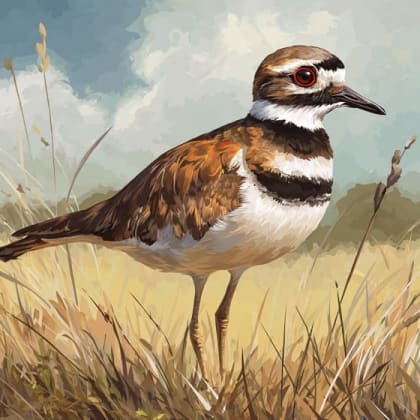
Common Tern
Sterna hirundo
The Common Tern is a sleek bird with a sharp beak and striking wings. It loves to catch fish by diving into the water!
Habitat: Coastal areas and islands
The Common Tern has a sleek white body, grey back, and pointed wings. It is easily recognized by its distinctive black cap and bright red-orange bill with a black tip. Its slender body and deeply forked tail make it look graceful in flight.
Category
BirdsRarity
Common
Danger
2/5 · Low
Snaps
Be the first to snap!
A Common Tern once lived for over 25 years, a very long time for a bird!
Some Common Terns fly over 10,000 km each year, a truly amazing journey!
Their eggs are laid directly on the ground, often on beaches, blending in perfectly!
They are known as 'sea swallows' because of their graceful, fork-tailed flight!
Common Terns undertake epic migrations, flying thousands of kilometers between breeding and wintering grounds.
Common Terns have pointed wings and a sleek body that helps them perform agile, graceful flights.
They mainly eat small fish caught by spectacular dives into the water, but also enjoy insects.
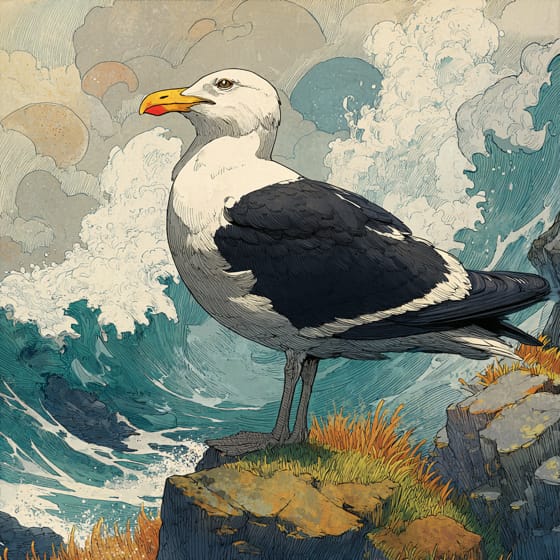
Larus marinus
Preys on eggs and chicks in nesting colonies.
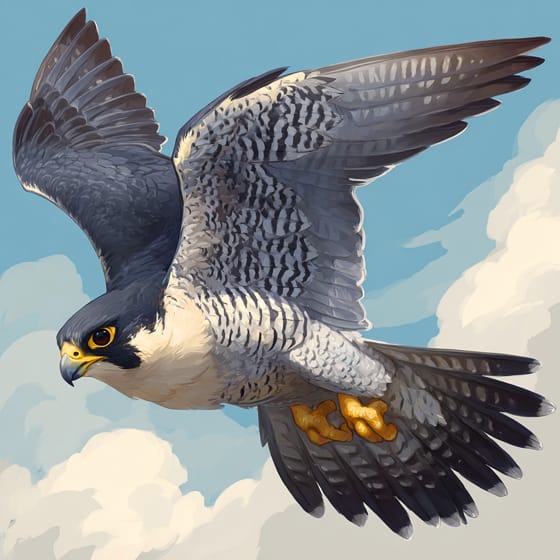
Falco peregrinus
Hunts adult terns, especially during migration.
Ammodytes hexapterus
A primary prey fish caught by plunge-diving.
Wildlife encompasses all undomesticated animal and plant life existing in their natural habitats.
Feathered describes animals, primarily birds, possessing a covering of feathers.
Social animals live in organized groups, cooperating for survival benefits such as foraging, defense, and raising offspring.
Aerial creatures spend a significant portion of their lives airborne, utilizing flight for various activities such as hunting, migration, or nesting.

Singing animals produce complex vocalizations, often for purposes of attracting mates, defending territory, or communicating within their species.

Piscivorous organisms are animals that primarily subsist on a diet of fish.

Coastal habitats are dynamic environments located along the interface between land and sea, influenced by tides, waves, and saltwater.

Migratory animals undertake seasonal movements from one region to another, typically in response to changes in climate or food availability.
Danger
2/5 · Low
Watch quietly from a distance and never try to feed or chase wild animals.
31-35 cm
72-82 cm
0.097-0.146 kg
10-25 years
60 km/h
They mainly eat small fish caught by spectacular dives into the water, but also enjoy insects.
Coastal areas and islands
Pursuit
Zoom in to split clusters and explore where this object has been snapped.
Recent snaps will appear here as new observations are added.

Massachusetts, US
You might spot Northern Fur Seal, Common Tern, and Harbor Seal.
View guide →

Virginia, US
You might spot Brown Pelican and Double-Crested Cormorant.
View guide →

New York, US
You might spot Spotted Lanternfly and Eastern Gray Squirrel.
View guide →