





Great Black-backed Gull
Larus marinus
The Great Black-backed Gull is the largest gull in North America. With its dark wings, it's easy to spot!
Habitat: Coastal areas and islands
The Great Black-backed Gull is a very large, powerful gull with a distinctive dark slate-gray to black back and upperwings, contrasting sharply with its pure white head and underparts. It has a thick, yellow bill with a prominent red spot near the tip, and pinkish legs.
Category
BirdsRarity
Common
Danger
2/5 · Low
Snaps
34
Adults have lived over 30 years in the wild, soaring the coasts!
Great Black-backed Gulls can swallow whole rats or small rabbits!
They sometimes steal fish directly from other birds, even puffins!
This giant gull is the largest gull species in the world!
Great Black-backed Gull can digest almost anything because of powerful stomach acid that helps them eat diverse foods from carrion to garbage.
Great Black-backed Gull can spot prey from high above with keen eyesight that helps them find fish, other birds, or even small mammals.
Great Black-backed Gull has a wide gape and strong jaws that help them swallow surprisingly large prey whole or tear it into pieces.
Great Black-backed Gull can soar effortlessly on coastal winds because of its broad wings that help them cover vast distances over the sea.
A mighty eater, they feast on fish, small birds, eggs, and anything else they can find!
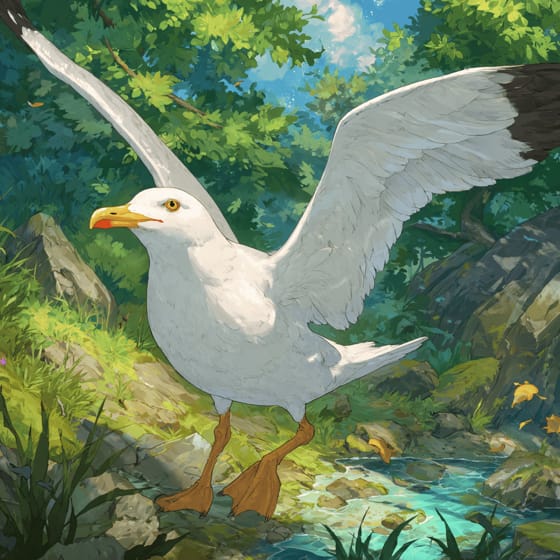
Larus argentatus
preys on eggs and chicks of smaller gull species
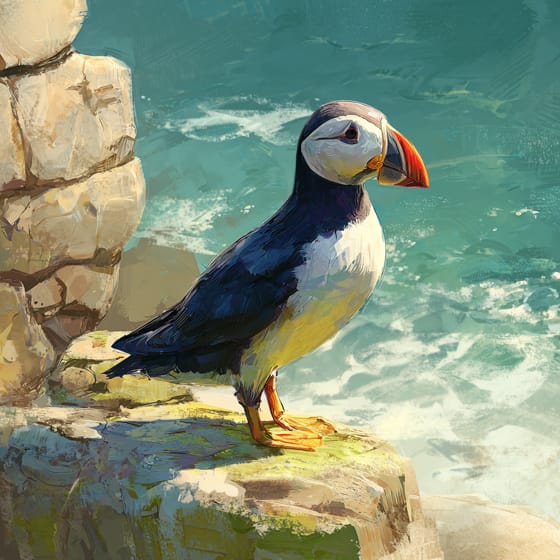
Fratercula arctica
a known predator of puffin chicks and eggs
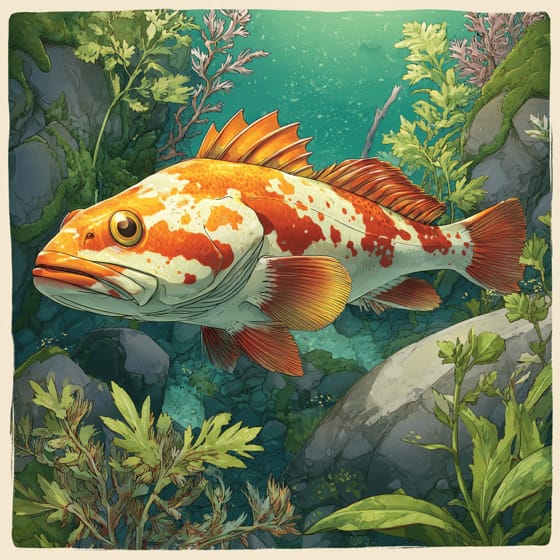
Gadus morhua
preys on various fish, including young cod
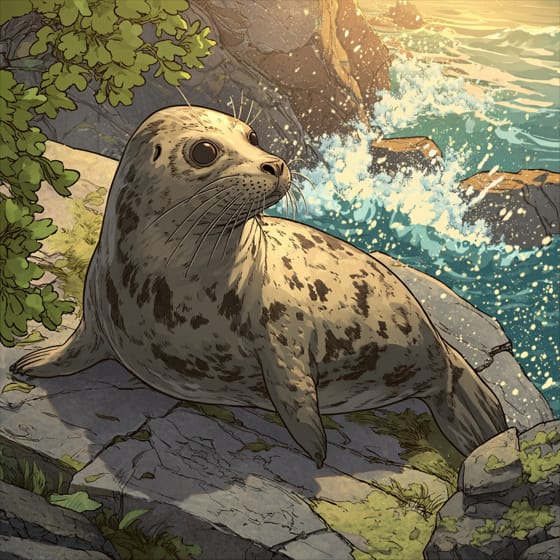
Phoca vitulina
often scavenges on the carcasses of dead seals
Wildlife encompasses all undomesticated animal and plant life existing in their natural habitats.
Feathered describes animals, primarily birds, possessing a covering of feathers.
Characterized by having toes connected by a membrane, typically aiding in swimming.
Social animals live in organized groups, cooperating for survival benefits such as foraging, defense, and raising offspring.

Piscivorous organisms are animals that primarily subsist on a diet of fish.

Coastal habitats are dynamic environments located along the interface between land and sea, influenced by tides, waves, and saltwater.

Migratory animals undertake seasonal movements from one region to another, typically in response to changes in climate or food availability.
Danger
2/5 · Low
Watch quietly from a distance and never try to feed or chase wild animals.
The easiest way to identify Great Black-backed Gull is to use the Snappit nature identifier app.
64-79 cm
150-170 cm
1.3-2.5 kg
20-30 years
65 km/h
A mighty eater, they feast on fish, small birds, eggs, and anything else they can find!
Coastal areas and islands
Zoom in to split clusters and explore where this object has been snapped.

US
You might spot Firewheel, Domestic Horse, and Atlantic Horseshoe Crab.
View guide →
New Hampshire, US
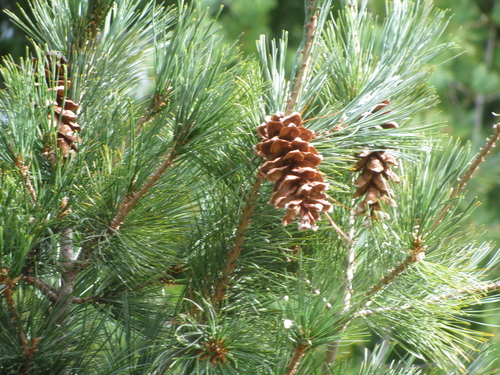
You might spot Eastern White Pine, Eastern Skunk Cabbage, and Duck.
View guide →

New York, US
You might spot White Snakeroot, Rock Pigeon, and Eastern Gray Squirrel.
View guide →

US
You might spot Common Eider, American Herring Gull, and Common Periwinkle.
View guide →

Connecticut, US
You might spot Brant, American Herring Gull, and Double-Crested Cormorant.
View guide →

Connecticut, US
You might spot Common Mugwort, Canada Goose, and American Herring Gull.
View guide →
Take the discovery with you
Snap it with Snappit to identify it, learn what makes it special, and add the discovery to your collection.





.jpg&width=800)









