





European Robin
Erithacus rubecula
The European Robin is a small, friendly bird known for its bright orange-red chest. They love to sing cheerful songs, especially in the morning!
Habitat: Woodlands, gardens, and parks
The European Robin has a distinctive bright orange-red breast and face, sharply contrasted by greyish-brown upperparts and a white belly. This bold colouring makes it easily recognizable and visually different from other small European birds. Juveniles have mottled brown plumage before developing their famous red chest.
Category
BirdsRarity
Common
Danger
1/5 · Very low
Snaps
37
Baby robins are mottled brown, developing their famous red breast only when older!
Both male and female European Robins sing complex songs, even during the winter months!
Robins can detect worms underground by listening and watching for tiny movements!
Their bright orange breast acts as a warning signal to other robins to stay away!
European Robin can sing complex songs year-round to defend its territory, helping it communicate with rivals and attract a mate.
European Robin has excellent vision to spot tiny insects and worms moving in the grass, which helps them find food efficiently.
European Robin can boldly approach humans and disturbance, which helps it discover new food sources in gardens and open areas.
These tiny hunters feast on small creepy crawlies, and enjoy some yummy berries and seeds too!

Strix aluco
hunts adult birds and fledglings
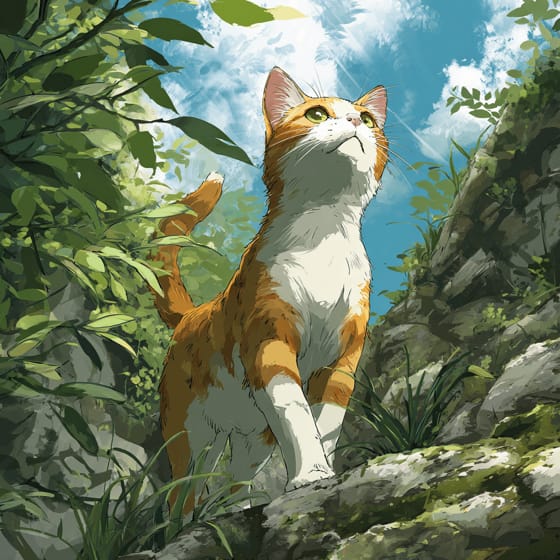
Felis catus
common predator in gardens

Accipiter nisus
preys on small garden birds
Lumbricus terrestris
main food source from soil
Wildlife encompasses all undomesticated animal and plant life existing in their natural habitats.
Feathered describes animals, primarily birds, possessing a covering of feathers.
Social animals live in organized groups, cooperating for survival benefits such as foraging, defense, and raising offspring.
Singing animals produce complex vocalizations, often for purposes of attracting mates, defending territory, or communicating within their species.

This trait identifies organisms whose diet primarily consists of insects and other small invertebrates.

Forest habitats are terrestrial environments dominated by dense tree cover, supporting a high diversity of plant and animal life.

Diurnal animals are primarily active during daylight hours, typically resting or sleeping at night.
Danger
1/5 · Very low
Robins are safe to observe and enjoy from a distance. Always be gentle and quiet around birds.
The easiest way to identify European Robin is to use the Snappit nature identifier app.
12.5-14 cm
20-22 cm
0.016-0.022 kg
1-5 years
55 km/h
These tiny hunters feast on small creepy crawlies, and enjoy some yummy berries and seeds too!
Woodlands, gardens, and parks
Zoom in to split clusters and explore where this object has been snapped.

England, UK
You might spot African Elephant, Bornean Orangutan, and Tiger.
View guide →

North Rhine-Westphalia, DE
You might spot Giant Anteaters, Angolan Giraffe, and Giant Otter.
View guide →

Nouvelle-Aquitaine, FR
You might spot Greater Flamingo, Giraffes, and Red Panda.
View guide →

England, UK
You might spot Red Panda and Ring-Tailed Lemur.
View guide →

Hainaut, BE
You might spot Giant Panda, Polar Bear, and Tiger.
View guide →

Bavaria, DE
You might spot Polar Bear, Giraffes, and Asian Elephant.
View guide →
Take the discovery with you
Snap it with Snappit to identify it, learn what makes it special, and add the discovery to your collection.





.jpg&width=800)








