






Hermann's Tortoise
Testudo hermanni
Hermann's Tortoise is a small tortoise with a beautiful, patterned shell. They love to munch on plants and can be found in sunny areas!
Habitat: Dry, grassy areas and forests
The Hermann's Tortoise has a yellowish-brown shell with distinct dark patches and a noticeably strong, slightly hooked upper jaw. Its tail features a horny spur, helping distinguish it from similar tortoises.
Category
ReptilesRarity
Common
Danger
2/5 · Low
Snaps
Be the first to snap!
Each tortoise has unique shell patterns, like human fingerprints!
Hatchlings are tiny, about the size of a large coin, when they emerge.
Its shell is like a built-in air conditioner, helping regulate body temperature!
They communicate using head bobs and nudges, especially during mating.
Hermann's Tortoise has a strong, domed shell that helps them hide completely inside for protection from danger.
Hermann's Tortoise can bask in the sun to warm its cold-blooded body, giving them energy to move and forage.
Hermann's Tortoise can dig burrows with its strong legs to escape extreme heat or cold, creating a safe underground home.
They munch on plants, flowers, and fruits, keeping the ecosystem tidy!
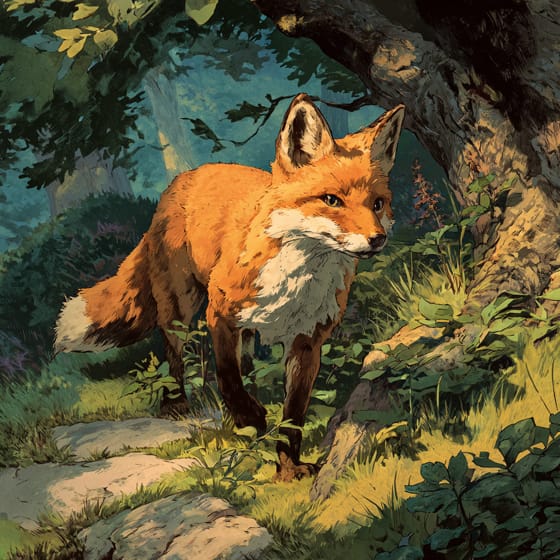
Vulpes vulpes
Foxes prey on eggs and young tortoises.
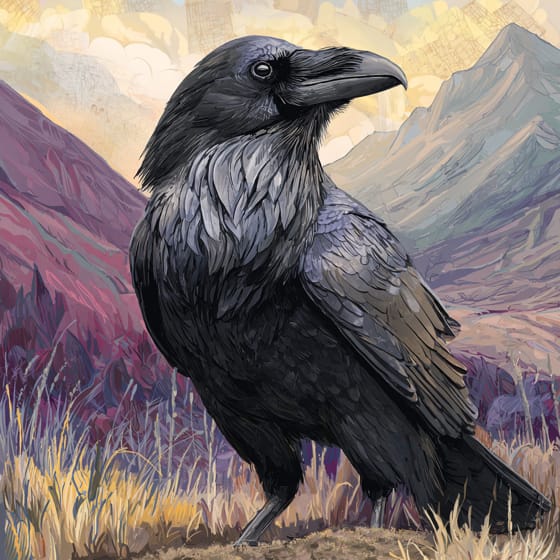
Corvus corax
Ravens may snatch tortoise hatchlings.
Trifolium repens
Tortoises graze on clover and other plants.
Quercus ilex
Provides shade and edible leaves in their habitat.
Wildlife encompasses all undomesticated animal and plant life existing in their natural habitats.
Solitary animals live alone for most of their lives, only interacting with others for mating or parental care.
Grassland habitats are terrestrial biomes dominated by grasses and herbaceous plants, supporting a variety of grazing animals.
This trait characterizes organisms whose diet consists entirely or primarily of plant material.

This trait characterizes organisms with an exceptionally long lifespan compared to others of their kind.

Armored describes animals protected by a hard, external covering or shell for defense.
No aliases listed yet.
Danger
2/5 · Low
Look but don’t touch. Keep a safe distance and wash hands after exploring.
15-30 cm
1-4 kg
30-70 years
0.5 km/h
They munch on plants, flowers, and fruits, keeping the ecosystem tidy!
Dry, grassy areas and forests
Foraging
2-12
Zoom in to split clusters and explore where this object has been snapped.
Recent snaps will appear here as new observations are added.
















