Hibiscus
Hibiscus
Hibiscus is known for its big, colorful flowers that look like they belong in a tropical paradise! They are often found in warm areas.
Habitat: Tropical and subtropical regions
The Hibiscus has large, showy, trumpet-shaped flowers that burst with vibrant colors like red, pink, yellow, and white. A prominent central column of stamens often extends from the flower, making it visually striking. Its leaves are typically glossy green.
Category
PlantsRarity
Common
Danger
1/5 · Very low
Snaps
Be the first to snap!
Some hibiscus flowers are only open for a single day before new ones bloom!
The Hibiscus is the national flower of Malaysia and South Korea!
The famous red 'Jamaica' drink is made from a special type of hibiscus!
You can find hibiscus used in everything from food coloring to hair products!
Large, bright, trumpet-shaped flowers guide insects and birds directly to its nectar, helping it reproduce.
Some hibiscus leaves are leathery, helping reduce water loss and thrive in hot, sunny places.
Many varieties can quickly bounce back after damage, ensuring continued growth and blooming.
Apis mellifera
Collects nectar and pollen, aiding reproduction.
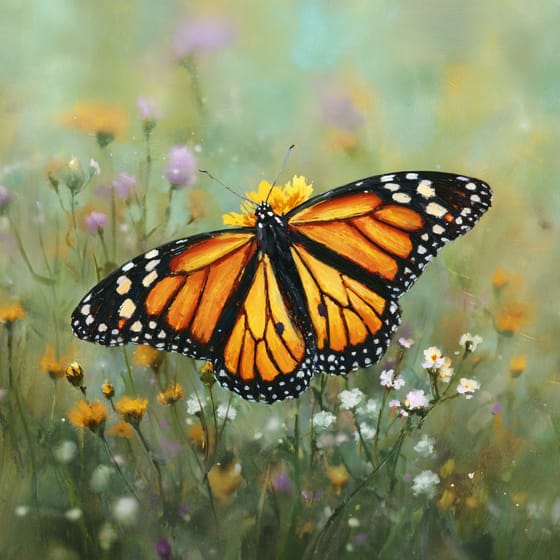
Danaus plexippus
Feeds on nectar, transferring pollen between flowers.
Eriophyes hibisci
Tiny mites that feed on hibiscus leaves.
Flowering plants are any plants that produce flowers as part of their reproductive cycle.
Ornamental plants are cultivated primarily for their aesthetic appeal, enhancing landscapes and gardens with their attractive foliage, flowers, or form.
A shrub is a woody plant smaller than a tree, typically with multiple stems branching from or near the ground.
Summer blooming plants produce their flowers during the summer season, often providing vibrant color when many other plants have finished.

A tube flower has petals fused together at the base, forming a distinct tubular structure that typically holds nectar deep within.

Everblooming plants produce flowers continuously or in repeated flushes over a long period.

Evergreen plants retain their foliage throughout the year, never shedding all their leaves at once.

Fragrant flowers emit a pleasant aroma, often to attract pollinators or for defense.
No aliases listed yet.
Danger
1/5 · Very low
Explore with care and ask an adult if you’re unsure what to do.
100-300 cm
100-250 cm
5-20 cm
Summer, Fall
Yes
None
Perennial
Insect
Zoom in to split clusters and explore where this object has been snapped.
Recent snaps will appear here as new observations are added.