





Lily
Lilium candidum
Lilies are big, bright flowers that can smell sweet! They often bloom in summer and are loved by many for their beauty.
Habitat: Lilies grow well in sunny gardens and flower beds.
The Lily has large, showy flowers often shaped like trumpets, bowls, or recurved cups, displaying vibrant colors like white, pink, orange, yellow, and red, frequently adorned with spots or stripes. Its sturdy stem supports glossy green leaves.
Category
PlantsRarity
Common
Danger
1/5 · Very low
Snaps
Be the first to snap!
Ancient Greeks believed lilies sprang from the milk of Queen Hera!
Lilies can grow from tiny scales shed from their main bulb!
Some lilies can change color slightly depending on soil acidity!
The Easter Lily bulb comes from Japan, not Easter Island!
Lily flowers release sweet scents at specific times, guiding pollinators like moths and bees to their nectar.
Underground bulbs store energy, allowing the Lily to survive harsh winters and re-emerge vigorously each spring.
Their bright, varied colors and distinct patterns attract specific insect pollinators, ensuring successful reproduction.
Apis mellifera
Drinks nectar, carrying pollen between flowers.
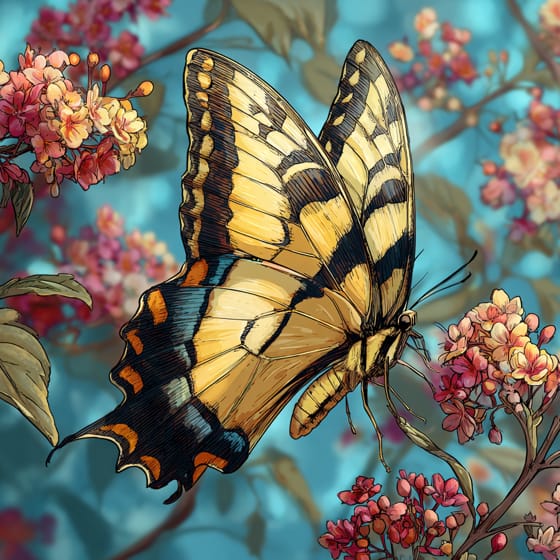
Papilio glaucus
Feeds on nectar, aiding in flower fertilization.

Odocoileus virginianus
Eats leaves and flower buds, damaging plants.
Lilioceris lilii
Larvae and adults devour lily leaves.
Flowering plants are any plants that produce flowers as part of their reproductive cycle.
Ornamental plants are cultivated primarily for their aesthetic appeal, enhancing landscapes and gardens with their attractive foliage, flowers, or form.
Summer blooming plants produce their flowers during the summer season, often providing vibrant color when many other plants have finished.
Fragrant flowers emit a pleasant aroma, often to attract pollinators or for defense.

This habitat trait indicates species that can coexist with humans in urban and suburban environments, utilizing man-made structures and green spaces.
Danger
1/5 · Very low
Explore with care and ask an adult if you’re unsure what to do.
The easiest way to identify Lily is to use the Snappit nature identifier app.
30-180 cm
15-45 cm
5-25 cm
Late spring to summer
No
Moderate
Perennial
Zoom in to split clusters and explore where this object has been snapped.
Recent snaps will appear here as new observations are added.
Take the discovery with you
Snap it with Snappit to identify it, learn what makes it special, and add the discovery to your collection.









.jpg&width=800)


_001.jpg&width=800)




