House Centipede
Scutigera coleoptrata
The House Centipede is a fast little creature with many legs! They run around at night, helping to keep your home free of bugs.
Habitat: Homes and buildings
The House Centipede has a yellowish-grey to brown body with three distinct dark stripes running down its back. It is visually striking due to its extremely long, delicate, and numerous legs that extend far beyond its flattened body, making it appear very spidery.
Category
InsectsRarity
Common
Danger
2/5 · Low
Snaps
12
Centipedes are not insects, but ancient relatives with many more legs!
House Centipedes can eat over 50 tiny bugs in just one night!
Their last pair of legs are extra-long and can trick predators into attacking the wrong end!
They meticulously clean their long antennae by pulling them through their mouthparts!
House Centipede can run up to 1.3 feet per second, ambushing prey because of its incredibly long, agile legs.
House Centipede has modified front legs that act as fangs, injecting venom to quickly paralyze prey for an easy meal.
House Centipede can detach a leg if caught by a predator, allowing it to escape while the leg twitches as a distraction.
House Centipede has super-long antennae covered in hairs that detect tiny air vibrations to find prey in total darkness.
These quick hunters feast on common household pests using their venomous bite.
Blattella germanica
Keeps household populations of this pest in check.
Lepisma saccharina
Actively preys on these common household paper-eaters.
Tegenaria domestica
Often preys on spiders found in human dwellings.

Felis catus
Sometimes caught and eaten by curious house cats.
Wildlife encompasses all undomesticated animal and plant life existing in their natural habitats.
Solitary animals live alone for most of their lives, only interacting with others for mating or parental care.
This trait identifies organisms whose diet primarily consists of insects and other small invertebrates.
This trait identifies organisms that exhibit exceptional swiftness in movement for hunting, escape, or travel.

This habitat trait indicates species that can coexist with humans in urban and suburban environments, utilizing man-made structures and green spaces.

Nocturnal animals are primarily active during the nighttime hours, typically resting or sleeping during the day.
Danger
2/5 · Low
Do not touch or pick up. Some insects sting or bite. Ask an adult for help.
25-60 mm
1095-2555 days
These quick hunters feast on common household pests using their venomous bite.
Homes and buildings
Pursuit
30
Zoom in to split clusters and explore where this object has been snapped.
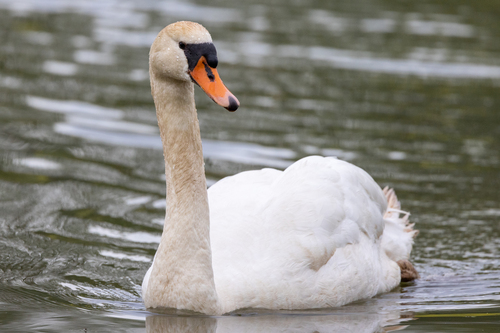
New York, US
You might spot Mute Swan, Duck, and House Sparrow.
View guide →
.JPG)
Massachusetts, US
You might spot Virginia Bluebells and Great Golden Digger Wasp.
View guide →

Pennsylvania, US
You might spot Snake, Cheetahs, and Crocodilia.
View guide →

Connecticut, US
You might spot Gray Wolf, Tiger, and Ocelot.
View guide →
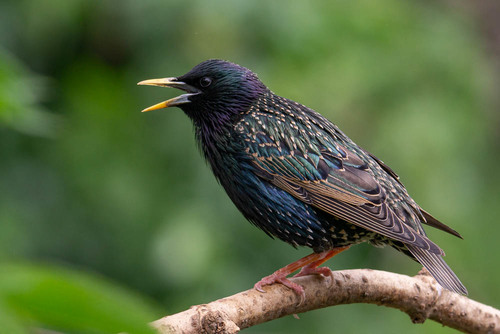
Illinois, US
You might spot European Starling.
View guide →

Colorado, US
You might spot Tiger, Aurelia Aurita, and Barramundi.
View guide →