
African Lion
Step into a world of wildlife wonder at the Philadelphia Zoo, America's first zoo, nestled within a charming 42-acre Victorian garden in the heart of Philadelphia.
Step into a world of wildlife wonder at the Philadelphia Zoo, America's first zoo, nestled within a charming 42-acre Victorian garden in the heart of Philadelphia. Home to nearly 1,900 rare and endangered animals, this historic institution offers an unforgettable journey into diverse ecosystems from around the globe. Visitors can marvel at majestic big cats roaming in Big Cat Falls, observe playful primates swinging through the PECO Primate Reserve, and get nose-to-nose with giant river otters in Water is Life. The zoo's beautifully landscaped grounds, adorned with tree-lined walks and animal sculptures, provide a serene oasis just moments from the city's bustle.One of the Philadelphia Zoo's most innovative features is its pioneering Zoo360 animal exploration trail system.
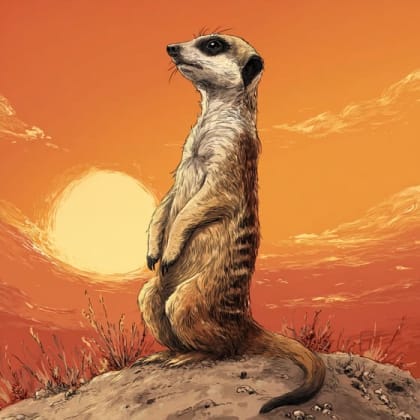
This world-first network of transparent mesh tunnels allows animals like tigers, orangutans, and lemurs to travel above and across visitor pathways, offering unique, overhead viewing opportunities and giving animals more space to explore. Imagine seeing a tiger prowl directly over your head in Big Cat Crossing or meerkats scurrying through the Meerkat Maze, which even features parallel tunnels for kids to mimic their digging. This immersive approach creates a truly dynamic experience, encouraging interaction and fostering a deeper connection between visitors and wildlife.Beyond animal encounters, the Philadelphia Zoo is deeply committed to conservation and education.
Its exhibits, such as the Rare Animal Conservation Center, highlight the plight of endangered species and showcase ongoing efforts to protect them. Families will particularly enjoy KidZooU, a LEED-certified indoor/outdoor children's zoo and wildlife academy with hands-on petting and feeding opportunities with goats and sheep, as well as engaging educational activities. Whether you're feeding giraffes in the African Plains, exploring the vibrant McNeil Avian Center, or discovering the world's oldest Galápagos tortoise, the Philadelphia Zoo promises a day filled with adventure, discovery, and inspiration to protect our planet's precious biodiversity. Turn your visit into a safari! Use the Snappit app to scan and log wildlife sightings here.
The Philadelphia Zoo holds the distinguished title of America's first zoo. It was chartered by the Commonwealth of Pennsylvania on March 21, 1859, following inspiration from the London Zoo and advocacy by Dr. William Camac. However, its grand opening was delayed by the American Civil War and did not occur until July 1, 1874. On its opening day, over 3,000 visitors entered its Victorian gates, which remain the same today. The zoo initially housed 1,000 animals and charged an admission price of 25 cents.From its inception, the Zoological Society of Philadelphia, which operates the zoo, aimed not only for public exhibition but also for scientific observation. The Philadelphia Zoo pioneered many "firsts" in the zoological world, including the first successful births of orangutans and chimpanzees in a U.S. zoo in 1928, the first children's zoo in the U.S. (1938), and the development of the world's first on-site animal care center and specially formulated zoo animal foods. It also played a crucial role in conservation efforts, such as spearheading the Guam Bird Rescue Project in 1983 to save the Guam kingfisher and Guam rail, which were extinct in the wild. The zoo continues its legacy of innovation with initiatives like the Zoo360 animal trail system.
The Philadelphia Zoo is fully accessible both outdoors and within indoor exhibits. A Zoo Map is provided for visitors with mobility issues. Manual wheelchairs are available for rent, and electric scooters can be rented for those 18+ (weight limit 325 lbs). Paved trails are prevalent. Service animals are welcome, though visitors are asked to move away if a zoo animal shows distress. Sensory bags are also available free of charge. Designated accessible parking is available at the Tiger Parking Lot and the Zoo Garage.
Look up to see animals like big cats, gorillas, orangutans, and lemurs moving through overhead pathways.
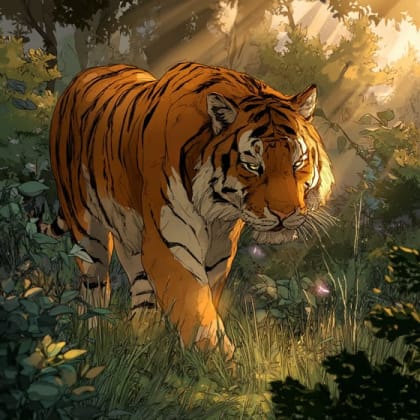
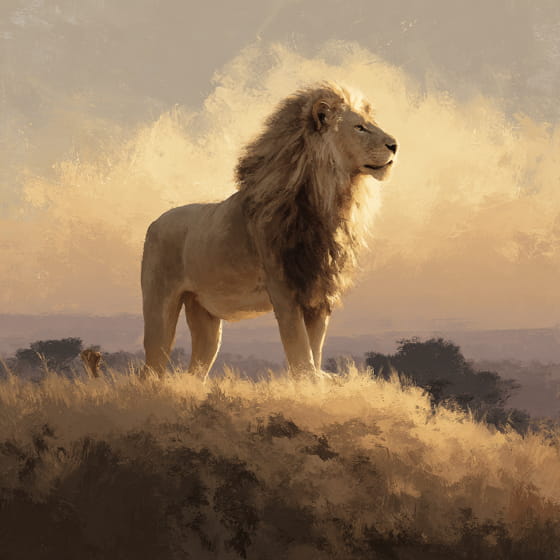
Home to African lions, Amur tigers, Amur leopards, snow leopards, and cougars, often active in the mornings.
Encounter Sumatran orangutans, western lowland gorillas, lemurs, and gibbons.
See giraffes, zebras, southern white rhinoceroses, and red river hogs. Don't miss the giraffe feeding experience!
Each card links to a full Explore page with photos, traits, and fun facts.
Start with the big picture, then zoom in to explore individual wildlife observations around this place.
Arrive Early
On busy days, especially weekends and holidays, arrive when the zoo opens to avoid crowds, secure parking, and see animals at their most active.
Utilize Zoo360
Keep an eye on the overhead Zoo360 trails throughout your visit. You might catch a big cat or primate moving above you, offering fantastic photo opportunities.
Pack Snacks/Drinks
While there are dining options, bringing your own snacks and drinks can save money and allow for quick refreshments on the go. You can enjoy picnics in designated areas.
Wear Comfortable Shoes
The zoo spans 42 acres, so be prepared for a good amount of walking.
Check Daily Schedule for Chats
Look for daily animal chats and feeding times upon arrival. These educational presentations provide insight into the animals and conservation efforts.
Consider a Zoo Key
For a unique and interactive experience, especially with kids, purchase a Zoo Key to unlock audio stories at various points throughout the park.
Mar 4, 2026
Mar 3, 2026
Mar 2, 2026
Mar 2, 2026
Mar 2, 2026

Michigan, US
You might spot African Lion, Komodo Dragon, and Brown Bear.
View guide →
.jpg)
Municipal District of Cobh, IE
You might spot Ring-Tailed Lemur, Giraffes, and Cheetahs.
View guide →

Nouvelle-Aquitaine, FR
You might spot Greater Flamingo, Giraffes, and Red Panda.
View guide →

Texas, US
You might spot Giraffes, African Lion, and Eastern Black Rhinoceros.
View guide →
Take the discovery with you
Identify the wildlife you spot, learn as you go, and keep a collection of the adventure.