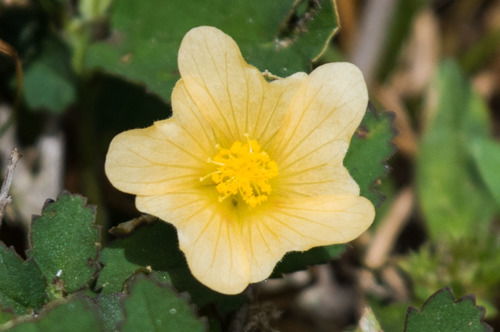
Kingsnake
Lampropeltis getula
Kingsnakes are known for their beautiful patterns and colors! They are excellent constrictors and help keep other snake populations in check.
Habitat: Grasslands and forests
The Kingsnake is a medium-sized snake known for its striking pattern of black, brown, or red bands separated by thinner yellow, white, or cream rings. Its smooth, shiny scales and rounded head differentiate it from some venomous lookalikes.
Category
ReptilesRarity
Common
Danger
2/5 · Low
Snaps
Be the first to snap!
If scared, a Kingsnake might shake its tail, making a rattling sound to trick predators.
Kingsnakes are famous for their unique diet, often eating other snakes, even venomous ones!
Kingsnakes shed their skin several times a year as they grow bigger and bigger!
They are non-venomous, meaning they don't have fangs or venom to hurt people.
Kingsnake can squeeze its prey with incredible force because its strong muscles wrap tightly around them, stopping their breathing.
Kingsnake has special proteins in its blood that help it resist the venom of other snakes, like rattlesnakes, making them safe to eat.
Kingsnake can sometimes look like dangerous venomous snakes, like coral snakes, which helps scare away predators that think it's harmful.
Kingsnakes are amazing hunters that eat rodents, birds, lizards, and famously, other snakes!
Age differences: Young Kingsnakes start with smaller prey like insects and small lizards, growing to larger animals as they age.
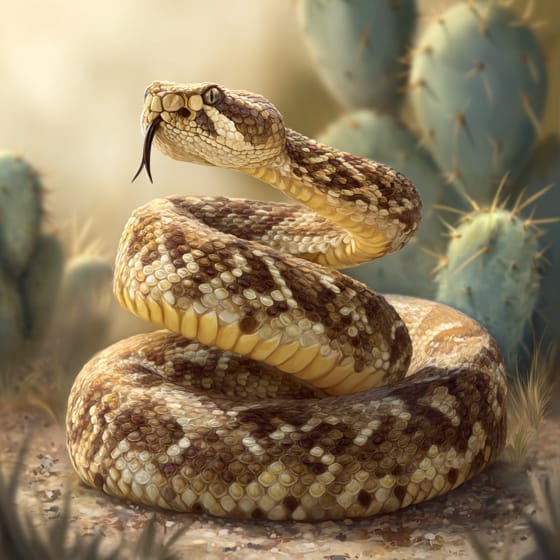
Crotalus atrox
Kingsnakes are famous for preying on venomous rattlesnakes.
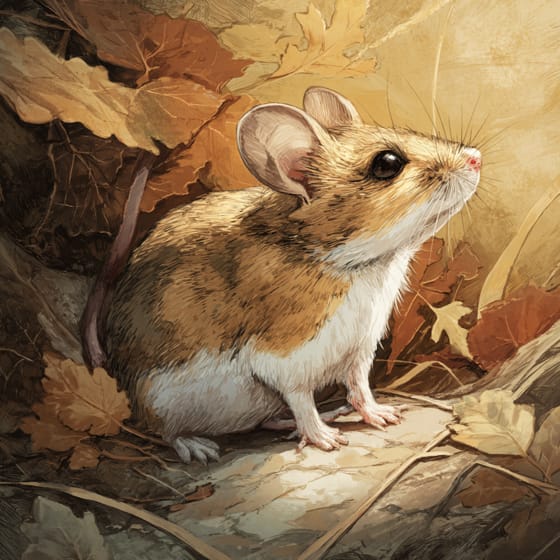
Peromyscus maniculatus
These snakes help control rodent populations by hunting mice.
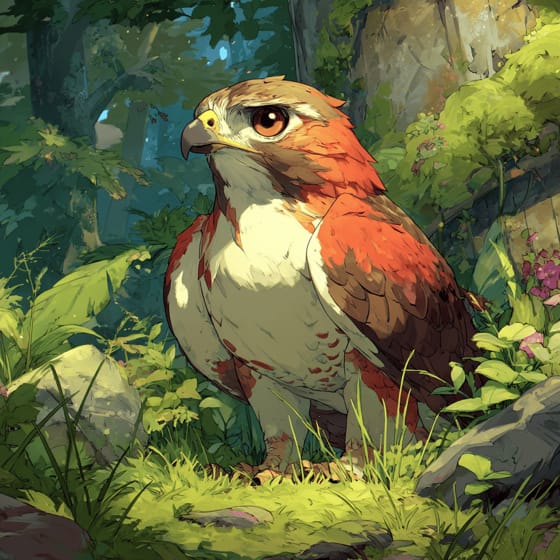
Buteo jamaicensis
Young Kingsnakes can be prey for large birds of prey.
Quercus virginiana
Kingsnakes find shelter and hunting grounds in oak woodlands.
Wildlife encompasses all undomesticated animal and plant life existing in their natural habitats.
Colorful describes organisms or objects displaying a wide range of bright and distinct colors.
Grassland habitats are terrestrial biomes dominated by grasses and herbaceous plants, supporting a variety of grazing animals.
This trait characterizes organisms with an exceptionally long lifespan compared to others of their kind.

This trait identifies organisms whose diet consists entirely or primarily of animal tissue.

Nocturnal animals are primarily active during the nighttime hours, typically resting or sleeping during the day.
Danger
2/5 · Low
Look but don’t touch. Keep a safe distance and wash hands after exploring.
90-150 cm
0.5-1.5 kg
10-20 years
8 km/h
Kingsnakes are amazing hunters that eat rodents, birds, lizards, and famously, other snakes!
Grasslands and forests
Ambush
3-24
Zoom in to split clusters and explore where this object has been snapped.
Recent snaps will appear here as new observations are added.