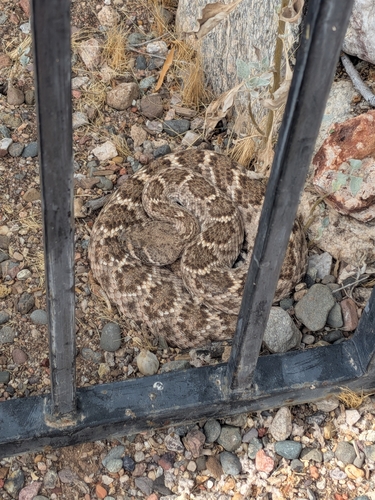



Western Diamondback Rattlesnake
Crotalus atrox
The Western Diamondback Rattlesnake is famous for its rattling tail! It is a large snake that makes a distinctive sound when it feels threatened.
Habitat: Deserts and dry areas
The Western Diamondback Rattlesnake has a chunky body, usually tan, brown, or gray, with dark diamond shapes edged in lighter scales. It has a distinctive triangular head and a rattling tail made of loose, interlocking segments, making it visually unique.
Category
ReptilesRarity
Rare
Danger
5/5 · Extreme
Snaps
13
A rattlesnake's rattle is made of keratin, just like your fingernails!
Baby rattlesnakes are born with fangs and venom, ready to hunt!
The number of segments on a rattle doesn't tell you a snake's exact age!
They use their forked tongue to 'taste' the air and find food!
Western Diamondback Rattlesnake can shake its tail's keratin segments to create a loud warning sound that helps them scare away threats.
Western Diamondback Rattlesnake has special heat-sensing pits on its face, which helps them find warm-blooded prey in total darkness.
Western Diamondback Rattlesnake has powerful venom that quickly immobilizes prey, helping them safely catch and eat their meals.
Western Diamondback Rattlesnake has mottled scales that perfectly blend with rocks and sand, helping them hide from predators and ambush prey.
These snakes are skilled ambush predators, mainly eating small mammals and birds.
Age differences: Young snakes often start with lizards and insects before moving to larger mammals.
Dipodomys merriami
stealthily ambushes these fast desert rodents.
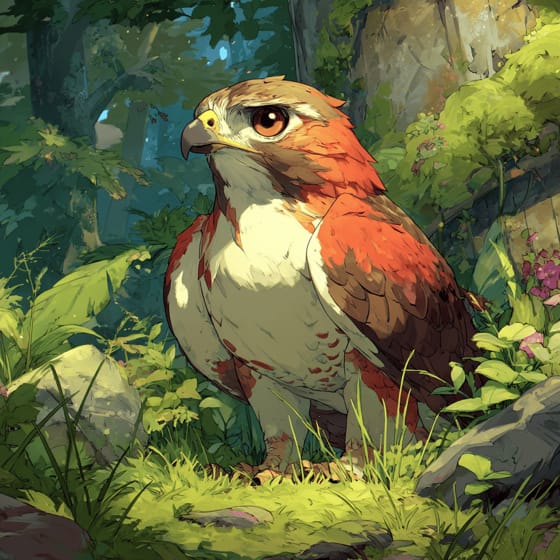
Buteo jamaicensis
predatory birds that hunt snakes from above.
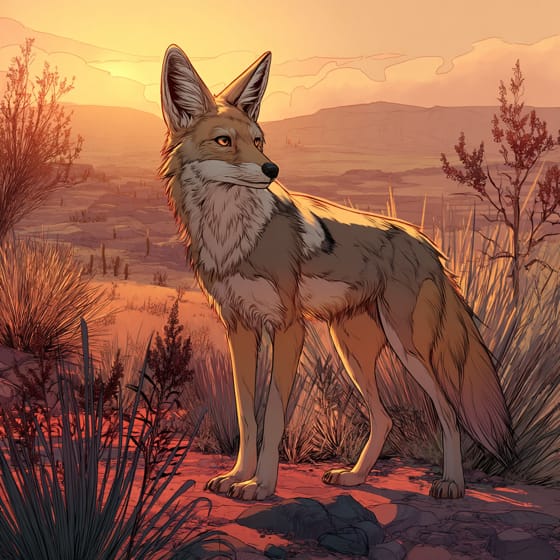
Canis latrans
opportunistic hunters that can prey on rattlesnakes.
Wildlife encompasses all undomesticated animal and plant life existing in their natural habitats.
Thermoregulating organisms maintain a stable internal body temperature despite fluctuations in the external environment.
Desert habitats are arid regions characterized by extremely low precipitation and often extreme temperatures, supporting specialized flora and fauna.
An ambush predator hunts by patiently waiting and concealing itself, then launching a sudden attack when unsuspecting prey comes within range.

This trait identifies organisms whose diet consists entirely or primarily of animal tissue.

Nocturnal animals are primarily active during the nighttime hours, typically resting or sleeping during the day.

Venomous organisms produce toxins that are injected into another animal, typically through a bite or sting.
No aliases listed yet.
Danger
5/5 · Extreme
Look but don’t touch. Keep a safe distance and wash hands after exploring.
The easiest way to identify Western Diamondback Rattlesnake is to use the Snappit nature identifier app.
90-180 cm
1.5-6.7 kg
15-20 years
5 km/h
These snakes are skilled ambush predators, mainly eating small mammals and birds.
Deserts and dry areas
Ambush
Zoom in to split clusters and explore where this object has been snapped.
May 20, 2026
DeGrazia Gallery in the Sun Historic DistrictPhoto attribution
(c) Elliot Kulakow, some rights reserved (CC BY)
License: CC BY 4.0 ↗
Image may be shown cropped inside the card frame.

Arizona, US
You might spot Northern Cardinal, Engelmann's Hedgehog Cactus, and Queen.
View guide →

Texas, US
You might spot Texas Hedgehog Cactus, Ornate Tree Lizard, and Cactus Wren.
View guide →

New Mexico, US
You might spot White-Winged Dove and Silverleaf Nightshade.
View guide →

Oklahoma, US
You might spot Lace Hedgehog Cactus and Star Cloak Fern.
View guide →

Arizona, US
You might spot Saguaro.
View guide →
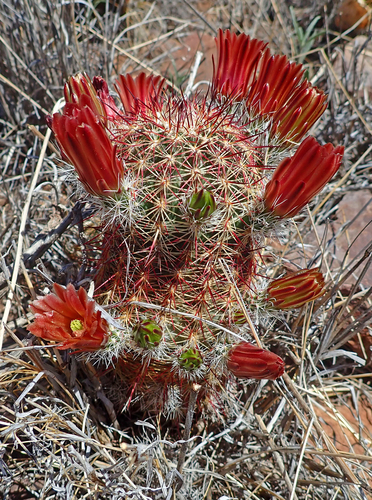
Texas, US
You might spot Texas Hedgehog Cactus, Cactus Wren, and Ornate Tree Lizard.
View guide →
Take the discovery with you
Snap it with Snappit to identify it, learn what makes it special, and add the discovery to your collection.