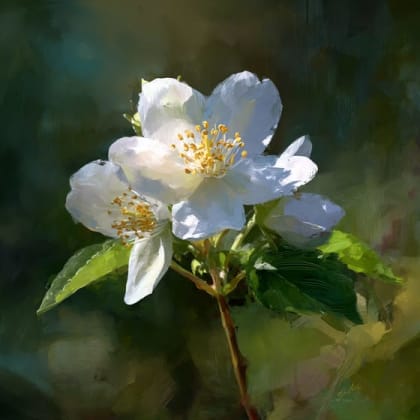
Meadowsweet
Filipendula ulmaria
Meadowsweet has fluffy white flowers that smell sweet! It's often found in wet areas and is loved by insects.
Habitat: Wet meadows and marshes
The Meadowsweet has creamy-white, frothy flower clusters that look like tiny clouds atop reddish, grooved stems. Its dark green leaves are deeply serrated and often have a whitish underside, giving it a distinct two-toned look.
Category
PlantsRarity
Rare
Danger
1/5 · Very low
Snaps
1
It was a sacred plant for ancient Celtic priests, the Druids.
Its fragrant flowers were used to flavor mead, a popular honey drink.
People once used its flowers to scent homes and strew on floors!
The plant contains chemicals similar to aspirin, discovered in the 19th century.
Meadowsweet has a strong, sweet almond-like scent that helps it attract many busy insect pollinators.
Meadowsweet can grow in really wet soils, using its roots to absorb extra water and thrive where other plants might struggle.
Meadowsweet has natural compounds that help it defend against pests and diseases, keeping itself healthy.
Apis mellifera
Gathers nectar and pollen from its abundant flowers.
Bombus pascuorum
Visits meadowsweet flowers for vital nectar and pollen.
Gastrophysa viridula
Larvae and adults feed on meadowsweet leaves.
Deciduous plants periodically shed all their leaves, typically during autumn or dry seasons.
Summer blooming plants produce their flowers during the summer season, often providing vibrant color when many other plants have finished.
Fragrant flowers emit a pleasant aroma, often to attract pollinators or for defense.
Medicinal plants possess chemical compounds that can be used for therapeutic purposes to treat illnesses or maintain health.

This habitat trait identifies species found in wetlands, which are areas of land saturated with water, either permanently or seasonally, including marshes, swamps, and bogs.
Danger
1/5 · Very low
Explore with care and ask an adult if you’re unsure what to do.
50-150 cm
30-90 cm
0.3-0.5 cm
Summer to early autumn
Yes
Mild
Perennial
Insect
Zoom in to split clusters and explore where this object has been snapped.