





mock oranges
Philadelphus
Mock oranges are lovely shrubs that bloom with bright white flowers in spring. They smell sweet and attract butterflies, making gardens more colorful and fun!
Habitat: Urban areas
The mock oranges is a beautiful shrub known for its abundant white flowers, often with four petals and yellow stamens. Its bright green leaves are usually oval-shaped. The pure white blossoms are striking and emit a strong, sweet fragrance, distinctly different from other shrubs.
Category
PlantsRarity
Common
Danger
1/5 · Very low
Snaps
Be the first to snap!
Ancient people used mock oranges flowers to make beautiful, fragrant wreaths!
Despite its name, mock oranges is not related to citrus plants at all!
Its hollow stems were once used to make things like flutes or even pipes!
The sweet smell from mock oranges can sometimes be stronger at dusk than in daytime!
Mock oranges can release a powerful, sweet fragrance that helps it attract pollinators like bees from far away to its flowers.
Mock oranges has bright white petals that help it stand out against green leaves, making it easy for insects to spot.
Apis mellifera
collects nectar and pollen
Bombus impatiens
visits flowers for nectar

Odocoileus virginianus
browses on leaves and stems
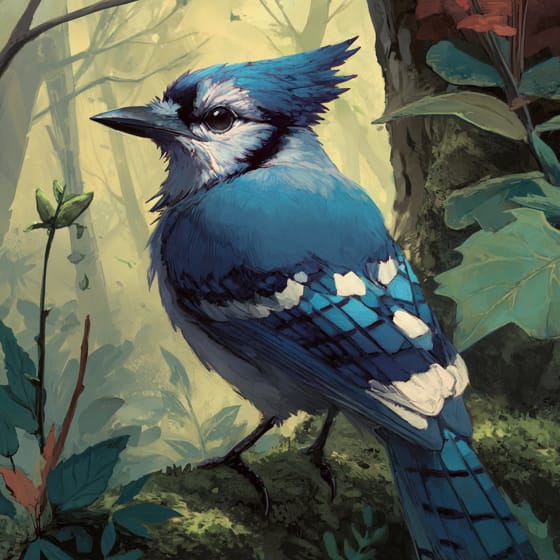
Cyanocitta cristata
uses dense branches for nesting
Aromatic plants produce and emit fragrant volatile organic compounds, often for defense or to attract pollinators.
Deciduous plants periodically shed all their leaves, typically during autumn or dry seasons.
Flowering plants are any plants that produce flowers as part of their reproductive cycle.
A shrub is a woody plant smaller than a tree, typically with multiple stems branching from or near the ground.

Spring blooming plants produce their flowers during the spring season, often signifying the end of winter and the start of new growth.

Fragrant flowers emit a pleasant aroma, often to attract pollinators or for defense.

Describes plants that are particularly attractive and beneficial to a wide range of pollinating organisms.

This habitat trait indicates species that can coexist with humans in urban and suburban environments, utilizing man-made structures and green spaces.
Danger
1/5 · Very low
Always ask an adult before touching plants in the garden.
The easiest way to identify mock oranges is to use the Snappit nature identifier app.
150-300 cm
120-250 cm
2-5 cm
Late spring to early summer
No
Mild
Perennial
Zoom in to split clusters and explore where this object has been snapped.
Recent snaps will appear here as new observations are added.
Take the discovery with you
Snap it with Snappit to identify it, learn what makes it special, and add the discovery to your collection.








.jpg&width=800)


_001.jpg&width=800)




