Muntjac Deer
Muntiacus muntjak
Muntjac deer are small and gentle animals. They have big ears and a soft brown coat that helps them blend into their forest homes.
Habitat: Forests and woodlands
The Muntjac Deer is a small, stocky deer with a reddish-brown coat that appears brighter in summer. Males have short, unbranched antlers and unique, visible tusk-like canine teeth that protrude from their upper jaw. They also have distinctive facial glands below their eyes.
Category
MammalsRarity
Common
Danger
1/5 · Very low
Snaps
Be the first to snap!
Despite their small size, their 'bark' can be surprisingly loud and carries far through the forest.
Male muntjacs use their impressive tusks for sparring with rivals, not just their tiny antlers.
Muntjac deer are some of the oldest deer species, evolving millions of years ago!
They are sometimes called 'reeve's muntjac' or 'barking deer' because of their vocal calls.
Muntjac Deer can make a loud, dog-like 'bark' because it helps them warn other deer of danger and scare away predators.
Muntjac Deer has a small, compact body that helps them move quietly and quickly through dense undergrowth to escape from threats.
Male Muntjac Deer have sharp, protruding upper canine teeth that help them fight other males or defend themselves if needed.
Muntjac deer are plant-eaters, munching on tasty leaves, fruits, and seeds found in their forest homes.
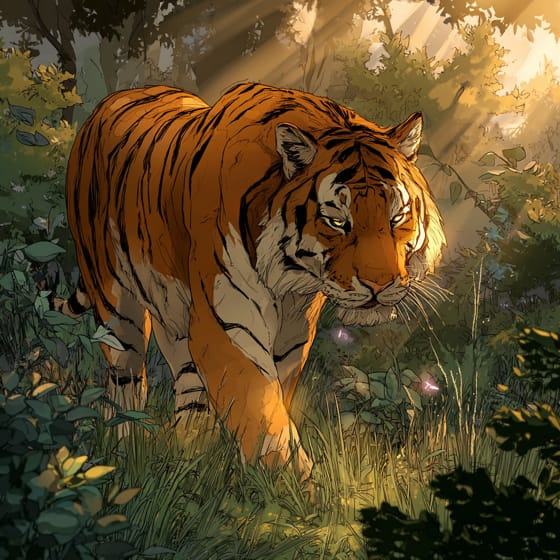
Panthera tigris
A primary predator in its native range.
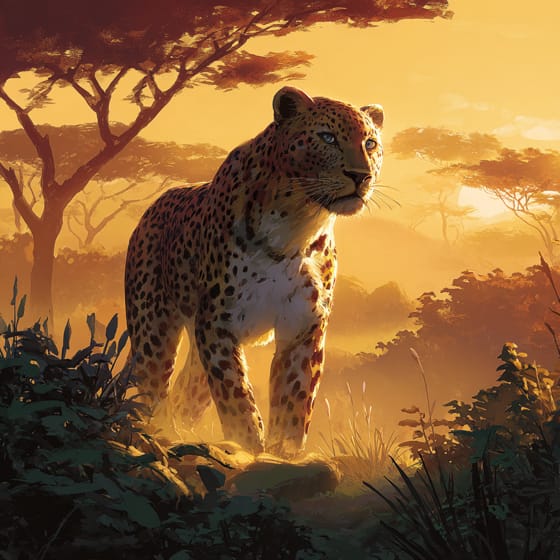
Panthera pardus
Often hunts muntjac deer in forest habitats.
Cuon alpinus
Wild dogs that hunt muntjac in packs.
Wildlife encompasses all undomesticated animal and plant life existing in their natural habitats.
Furry describes animals possessing a dense covering of soft hair or fur.
Solitary animals live alone for most of their lives, only interacting with others for mating or parental care.
Antlered describes animals possessing antlers, which are bony, branching growths found predominantly on male deer and related species.

Camouflaged describes organisms that possess coloring or patterns that allow them to blend into their environment.

This trait characterizes organisms whose diet consists entirely or primarily of plant material.

Forest habitats are terrestrial environments dominated by dense tree cover, supporting a high diversity of plant and animal life.

Nocturnal animals are primarily active during the nighttime hours, typically resting or sleeping during the day.
Danger
1/5 · Very low
Muntjac deer are shy and prefer to avoid people. It's best to watch them from a distance.
89-135 cm
18-35 kg
10-15 years
50 km/h
Muntjac deer are plant-eaters, munching on tasty leaves, fruits, and seeds found in their forest homes.
Forests and woodlands
Foraging
1-2
Zoom in to split clusters and explore where this object has been snapped.
Recent snaps will appear here as new observations are added.