





Gibbon
Hylobatidae
Gibbons are playful apes that swing through trees using their long arms. They have a special call that can be heard from far away in the forest.
Habitat: Rainforest
The Gibbon is a small, slender ape with exceptionally long, powerful arms. Its fur can vary widely from black, brown, or gray to cream, often with distinctive white rings around its face or brow, making it stand out.
Category
MammalsRarity
Common
Danger
2/5 · Low
Snaps
Be the first to snap!
Gibbons are the only apes that are truly monogamous, usually mating for life!
Gibbons often walk upright on two legs along branches, using arms for balance!
Many Gibbon species are Critically Endangered from habitat loss and the illegal pet trade!
Unlike other apes, Gibbons don't build nests; they simply sleep on a comfy branch!
Gibbon can swing through trees at incredible speeds thanks to their super-long arms and hooked hands, helping them travel far.
Gibbon has a special throat sac that amplifies their loud, complex songs, helping them communicate and mark their territory.
Gibbon can leap huge distances between trees using powerful leg muscles, helping them cross wide gaps in the canopy.
Gibbons mainly munch on ripe fruits, but also enjoy leaves and flowers from the forest!
Neofelis nebulosa
A stealthy predator that ambushes Gibbons from above or below.
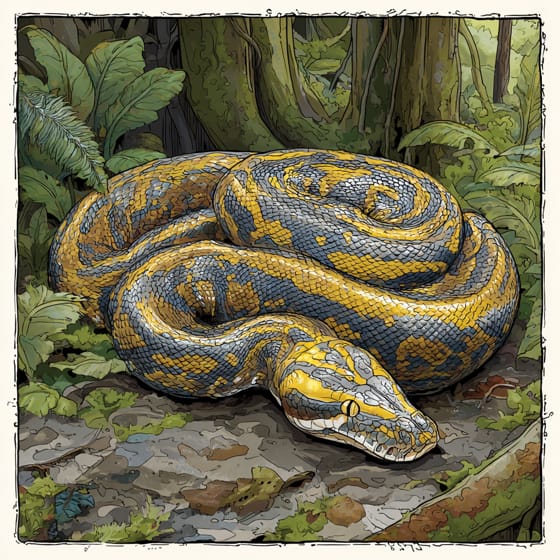
Python reticulatus
Large constrictors that ambush Gibbons in trees or on the ground.
Ficus religiosa
Gibbons eat its fruit, helping disperse the fig's seeds.
Wildlife encompasses all undomesticated animal and plant life existing in their natural habitats.
Furry describes animals possessing a dense covering of soft hair or fur.
Social animals live in organized groups, cooperating for survival benefits such as foraging, defense, and raising offspring.
Singing animals produce complex vocalizations, often for purposes of attracting mates, defending territory, or communicating within their species.

Arboreal animals live primarily in trees, utilizing them for shelter, food, and protection from predators.

This trait characterizes organisms whose diet consists entirely or primarily of plant material.
This habitat trait refers to species found in tropical rainforests, characterized by high annual rainfall, high biodiversity, and dense tree cover.
Danger
2/5 · Low
Admire gibbons from a safe distance and never try to touch or feed them.
The easiest way to identify Gibbon is to use the Snappit nature identifier app.
44-63 cm
4-13 kg
25-30 years
56 km/h
Gibbons mainly munch on ripe fruits, but also enjoy leaves and flowers from the forest!
Rainforest
Foraging
Zoom in to split clusters and explore where this object has been snapped.
Recent snaps will appear here as new observations are added.

Texas, US
You might spot Reticulated Giraffe, Zebra, and White Rhinoceros.
View guide →

Nebraska, US
You might spot Great White Shark, Penguin, and Sea Lion.
View guide →

Florida, US
You might spot Macaques, Squirrel Monkeys, and Blackcap.
View guide →

England, UK
You might spot Chimpanzee, Bornean Orangutan, and Sumatran Orangutan.
View guide →

Wales, UK
You might spot Chimpanzee, Baboon, and Spider Monkey.
View guide →
.jpg&width=800)
Illinois, US
You might spot Reticulated Giraffe and Southern White Rhinoceros.
View guide →
Take the discovery with you
Snap it with Snappit to identify it, learn what makes it special, and add the discovery to your collection.




.jpg&width=800)



.JPG&width=800)


.jpg&width=800)
