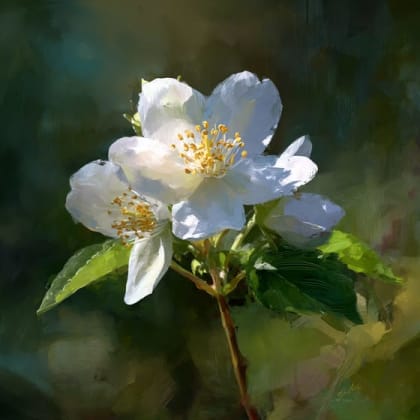
Red Rose
Hibiscus kokio subsp. kokio
The Red Rose is a classic flower known for its deep red color and sweet smell. It symbolizes love and friendship.
Habitat: Gardens and parks
The Red Rose (Hibiscus kokio subsp. kokio) is a vibrant shrub or small tree with glossy, dark green leaves. Its showy, deep red flowers are crinkled and often have a darker throat, making them visually distinct from typical garden roses.
Category
PlantsRarity
Common
Danger
1/5 · Very low
Snaps
Be the first to snap!
Ancient Hawaiians sometimes used its inner bark to weave strong ropes.
Believe it or not, some people say its petals have a tangy, cranberry-like taste!
Its showy red petals usually unfurl and wither all in a single day!
This beautiful flower is only found wild on the Hawaiian Islands!
Red Rose has a long central column of stamens that helps it present nectar, guiding pollinators efficiently to its sweet reward.
Red Rose can flower year-round in its warm habitat, ensuring it always has blooms ready to attract helpers for reproduction.
Red Rose has adapted to grow in moist, often volcanic soils, allowing it to thrive in specific, damp Hawaiian forest environments.
Hylaeus kuakea
Feeds on nectar, transferring pollen.
Vestiaria coccinea
Native Hawaiian honeycreeper sips nectar.
Xyleborus ferrugineus
Introduced pest bores into stems.
Deciduous plants periodically shed all their leaves, typically during autumn or dry seasons.
Ornamental plants are cultivated primarily for their aesthetic appeal, enhancing landscapes and gardens with their attractive foliage, flowers, or form.
A shrub is a woody plant smaller than a tree, typically with multiple stems branching from or near the ground.
Summer blooming plants produce their flowers during the summer season, often providing vibrant color when many other plants have finished.

Fragrant flowers emit a pleasant aroma, often to attract pollinators or for defense.

Pertaining to plants that have stems covered with sharp, pointed projections for defense.

This habitat trait indicates species that can coexist with humans in urban and suburban environments, utilizing man-made structures and green spaces.
Danger
1/5 · Very low
Explore with care and ask an adult if you’re unsure what to do.
100-600 cm
100-300 cm
10-15 cm
Year-round
Yes
None
Perennial
Insect
Zoom in to split clusters and explore where this object has been snapped.
Recent snaps will appear here as new observations are added.

Massachusetts, US
You might spot Grey Cross Spider, Common Milkweed, and Roses.
View guide →

California, US
You might spot Roxburgh Fig, Roses, and Swan-Neck Agave.
View guide →

Washington, US
You might spot Western Sword Fern and Bigleaf Maple.
View guide →
Virginia, US
You might spot Roses, Onions, and Broadleaf Arrowhead.
View guide →