




Sea Campion
Silene uniflora
Sea Campion is a pretty flower that grows near the coast. It has white, fluffy blooms that look like little balloons and loves to grow in rocky places by the sea.
Habitat: Coastal areas
The Sea Campion has striking white flowers with petals deeply notched, emerging from a distinctive, bladder-like, pale green to pinkish-white calyx. Its leaves are a waxy, bluish-green, forming low cushions against harsh coastal winds.
Category
PlantsRarity
Common
Danger
1/5 · Very low
Snaps
Be the first to snap!
It often thrives where freshwater meets the sea, in places most plants cannot survive!
Its scientific name, 'uniflora,' means 'single flower,' even though a plant can have many!
The plant’s deep roots can anchor it firmly, preventing it from being washed away by waves!
Young Sea Campion leaves are edible and taste a bit like peas or asparagus – a salty snack!
Sea Campion can thrive in salty coastal air and soil thanks to special glands that excrete excess salt.
Its low-growing, cushion-like form and tough stems help the Sea Campion withstand powerful winds on exposed shores.
The Sea Campion's inflated, balloon-like calyx helps protect its developing seeds from hungry insects and harsh weather.
Hadena bicruris
its caterpillars feed on the seeds
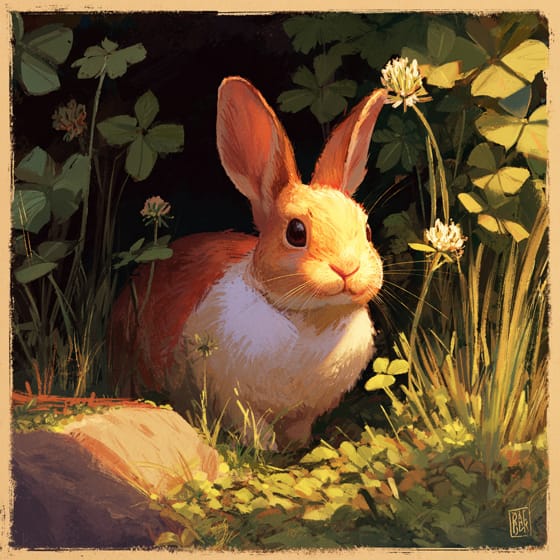
Oryctolagus cuniculus
grazes on its leaves and shoots
Flowering plants are any plants that produce flowers as part of their reproductive cycle.
Summer blooming plants produce their flowers during the summer season, often providing vibrant color when many other plants have finished.
Salt tolerant plants can withstand and grow in conditions with elevated salinity levels in the soil or water.
Drought-tolerant plants can survive and flourish in conditions with limited water availability.

Describes plants that are particularly attractive and beneficial to a wide range of pollinating organisms.

Coastal habitats are dynamic environments located along the interface between land and sea, influenced by tides, waves, and saltwater.
Danger
1/5 · Very low
Always look but don't touch flowers unless an adult says it's okay.
The easiest way to identify Sea Campion is to use the Snappit nature identifier app.
10-30 cm
20-60 cm
1.5-2.5 cm
Late spring to late summer
Yes
None
Perennial
Zoom in to split clusters and explore where this object has been snapped.
Recent snaps will appear here as new observations are added.
Take the discovery with you
Snap it with Snappit to identify it, learn what makes it special, and add the discovery to your collection.









.jpg&width=800)



_001.jpg&width=800)




