Shrews
Soricidae
Shrews are tiny, mouse-like mammals with long noses and sharp teeth. They are very active and love to dig in the ground to find food like insects and worms.
Habitat: Forests
The Shrews has a tiny, mouse-like body, covered in soft, dense fur that is typically grey, brown, or black. They are easily recognized by their long, pointed snout and very small eyes, which makes them look distinct from rodents.
Category
MammalsRarity
Common
Danger
1/5 · Very low
Snaps
Be the first to snap!
Shrews are found almost everywhere on Earth except Australia and Antarctica.
Shrews have such tiny eyes, they rely more on hearing and smell to navigate their world.
Some shrews can amazingly shrink their own brains and skulls in winter to survive cold.
Their tiny heart beats incredibly fast, over 1000 times a minute when active!
Shrews has an incredibly fast metabolism that helps them stay constantly active and energetic, needing to eat almost non-stop.
Certain Shrews can use echolocation, emitting high-frequency sounds that help them 'see' in the dark to navigate and find prey.
Shrews like the Northern Short-tailed Shrew have venom in their saliva that helps them quickly subdue larger prey.
Shrews are tiny hunters that mostly feast on insects, worms, and other small critters they find.
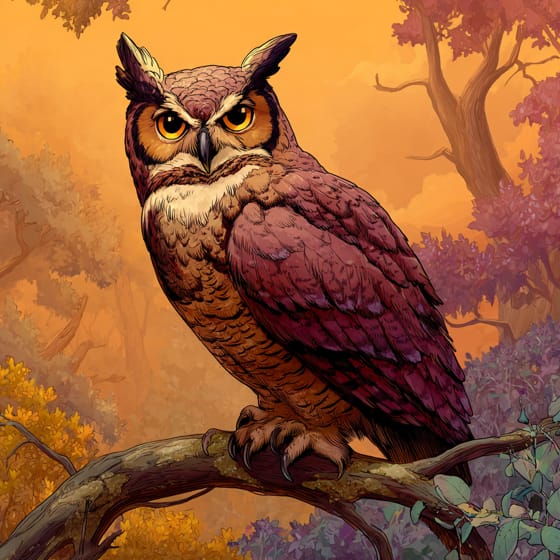
Bubo virginianus
Nocturnal owls often hunt shrews, especially young ones.
Mustela nivalis
Agile weasels are skilled predators of small mammals like shrews.
Lumbricus terrestris
Shrews actively burrow and search for earthworms in the soil.
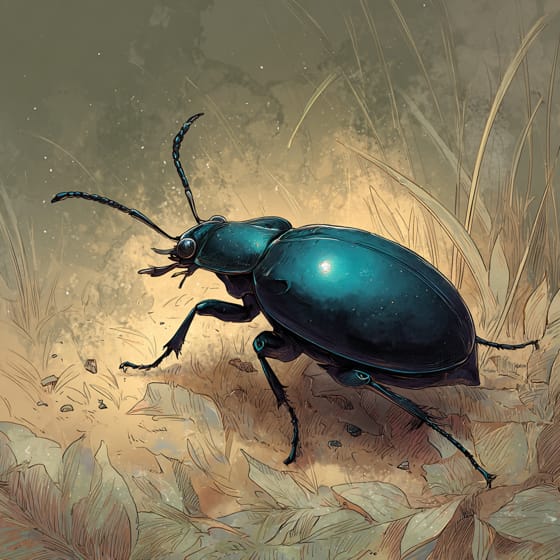
Carabus nemoralis
Many ground beetle species are a primary food source for shrews.
Furry describes animals possessing a dense covering of soft hair or fur.
Solitary animals live alone for most of their lives, only interacting with others for mating or parental care.
Burrowing animals dig tunnels and chambers in the ground, using these subterranean structures for shelter, hunting, or breeding.
This trait identifies organisms whose diet primarily consists of insects and other small invertebrates.

Forest habitats are terrestrial environments dominated by dense tree cover, supporting a high diversity of plant and animal life.

This trait identifies organisms whose diet consists entirely or primarily of animal tissue.

This trait identifies organisms that exhibit exceptional swiftness in movement for hunting, escape, or travel.

Venomous organisms produce toxins that are injected into another animal, typically through a bite or sting.
Danger
1/5 · Very low
Shrews are small and shy, so it's best to observe them from a distance.
3-18 cm
0.002-0.05 kg
1-2 years
6 km/h
Shrews are tiny hunters that mostly feast on insects, worms, and other small critters they find.
Forests
Foraging
2-10
Zoom in to split clusters and explore where this object has been snapped.
Recent snaps will appear here as new observations are added.