Soldier Beetle
Eryniopsis lampyridarum (Thaxt.)
Soldier Beetles are bright and bold insects that look like tiny soldiers! They are great for gardens because they eat other pests.
Habitat: Fields and meadows
The Soldier Beetle is an elongated, soft-bodied insect, often brightly colored with red, orange, or yellow markings contrasting with black. Its distinctive, flexible wings and long antennae help differentiate it from many harder-shelled beetles found in gardens.
Category
InsectsRarity
Common
Danger
2/5 · Low
Snaps
Be the first to snap!
A special fungus can infect a soldier beetle's brain, making it climb high to spread more spores!
Many species of soldier beetles are super helpful in gardens because they love to munch on aphids!
Their bright colors reminded people of old military uniforms, which is how they got their name!
Young soldier beetles, called larvae, are fierce hunters that live underground eating slugs!
Soldier Beetle can ooze bad-tasting chemicals from its joints, helping them deter hungry birds and other predators.
Soldier Beetle has fine hairs and visits flowers, helping them transfer pollen and feed on nectar for energy.
Young Soldier Beetles are expert hunters underground, using strong jaws to catch slugs and other insect larvae.
Adult soldier beetles sip nectar and pollen, but also hunt tiny insects like aphids!
Age differences: Larvae are carnivores, eating slugs, snails, and other insect larvae underground.
Eryniopsis lampyridarum
Infects and controls beetle behavior for spore dispersal.
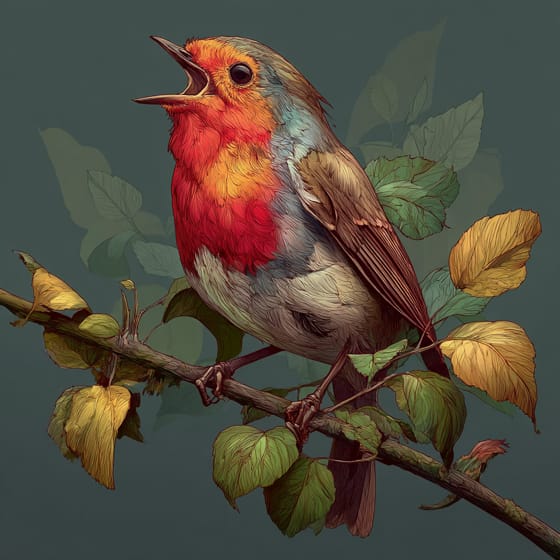
Turdus migratorius
Robins often feast on beetles found in gardens and fields.
Myzus persicae
Adults and larvae both prey on these soft-bodied garden pests.
Solidago canadensis
Adult beetles feed on its nectar and pollen for energy.
Wildlife encompasses all undomesticated animal and plant life existing in their natural habitats.
Colorful describes organisms or objects displaying a wide range of bright and distinct colors.
This trait identifies organisms whose diet primarily consists of insects and other small invertebrates.
Diurnal animals are primarily active during daylight hours, typically resting or sleeping at night.

Describes organisms that transfer pollen, enabling the fertilization and reproduction of plants.
Danger
2/5 · Low
Do not touch or pick up. Some insects sting or bite. Ask an adult for help.
20-40 mm
10-20 mm
30-90 days
Adult soldier beetles sip nectar and pollen, but also hunt tiny insects like aphids!
Fields and meadows
Foraging
6
Zoom in to split clusters and explore where this object has been snapped.
Recent snaps will appear here as new observations are added.