

Domestic Dog
Canis familiaris
Dogs are friendly animals that have been living with people for thousands of years. They can be big or small, fluffy or short-haired, and love to play and be part of the family.
Habitat: Urban areas
The Domestic Dog has an incredibly diverse appearance, ranging from tiny, short-haired breeds to large, shaggy ones. Their fur comes in almost every color and pattern imaginable, with varied ear shapes and tail lengths often distinguishing different breeds.
Category
MammalsRarity
Common
Danger
4/5 · High
Snaps
2
A dog's nose print is unique, just like a human's fingerprint!
Dogs can dream, and you can sometimes see their paws twitch while sleeping!
Dogs don't sweat like humans; they pant to cool themselves down.
The oldest dog breed, the Saluki, dates back almost 5,000 years!
Domestic Dog has incredibly sensitive ears that can hear sounds at much higher frequencies, helping them detect distant noises.
Domestic Dog can communicate feelings and intentions through tail wags and body language, helping them interact with others.
Domestic Dog has an incredible ability to form strong, loyal bonds with humans, which helps them become trusted companions.
Dogs are omnivores, meaning they can eat both meat and plant-based foods to stay healthy!
Homo sapiens
Humans provide care, food, and shelter for dogs.
Ctenocephalides felis
Fleas feed on dog blood, causing itchiness and discomfort.
Ixodes scapularis
Ticks attach to dogs and can transmit diseases while feeding.
Furry describes animals possessing a dense covering of soft hair or fur.
Social animals live in organized groups, cooperating for survival benefits such as foraging, defense, and raising offspring.
This trait identifies organisms whose diet includes both plant and animal matter.
Scavengers consume dead organic matter, helping to decompose carcasses and other waste in the ecosystem.

Domesticated refers to species that have been selectively bred and tamed by humans for specific purposes.

Diurnal animals are primarily active during daylight hours, typically resting or sleeping at night.

Describes a species whose presence and role have a disproportionately large effect on its environment.

This habitat trait indicates species that can coexist with humans in urban and suburban environments, utilizing man-made structures and green spaces.
Danger
4/5 · High
Always ask the owner before petting a dog and be gentle.
15-85 cm
1-80 kg
8-15 years
72 km/h
Dogs are omnivores, meaning they can eat both meat and plant-based foods to stay healthy!
Urban areas
Foraging
1-12
Zoom in to split clusters and explore where this object has been snapped.

Virginia, US
You might spot Monarch, Eastern Box Turtle, and Asian Lady Beetle.
View guide →
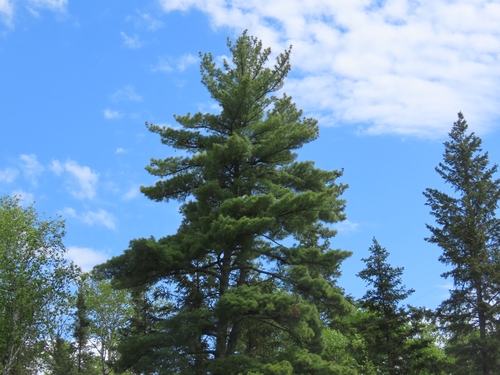
Connecticut, US
You might spot Eastern White Pine, Eastern Hemlock, and Mountain Laurel.
View guide →
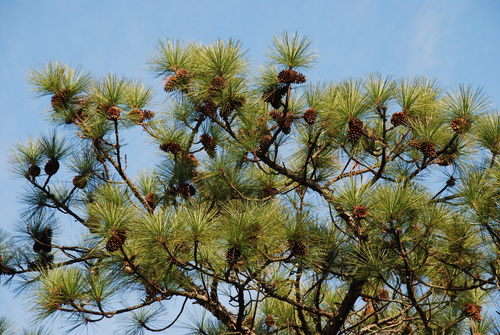
Virginia, US
You might spot Pines, Common Milkweed, and Sweetbay Magnolia.
View guide →

Washington, US
You might spot Duck, American Wigeon, and Ring-Billed Gull.
View guide →

Washington, US
You might spot Canada Goose, Daisy, and Duck.
View guide →

Virginia, US
You might spot American Tuliptree and Japanese Snowball.
View guide →