
Apple Tree
Observatory Park in Denver, Colorado, is a captivating urban oasis that seamlessly blends historical significance with natural charm.
Observatory Park in Denver, Colorado, is a captivating urban oasis that seamlessly blends historical significance with natural charm. This picturesque green space, nestled within the tranquil University Park neighborhood, is most renowned for housing the historic Chamberlin Observatory, a beacon of astronomical discovery since the late 19th century. The park itself offers expansive open fields, inviting walking paths, and recreational amenities, making it a beloved spot for both residents and visitors seeking a peaceful retreat amidst the city's hustle and bustle.
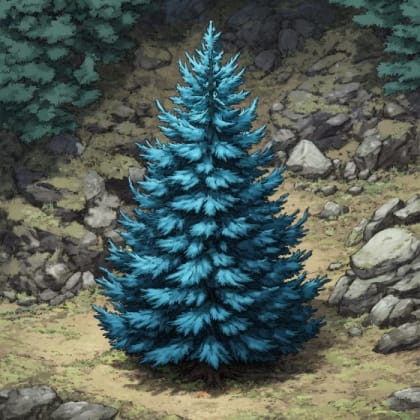
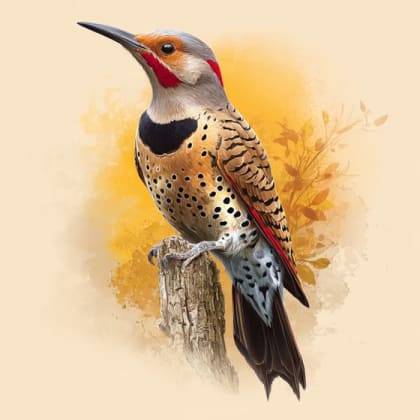
The park's primary draw is undoubtedly the University of Denver's Chamberlin Observatory, a magnificent Romanesque structure listed on the National Register of Historic Places. This architectural gem is home to a powerful 20-inch Alvan Clark refractor telescope, which was once the fifth-largest of its kind in the United States and famously displayed at the 1893 Chicago World's Fair. Beyond the celestial wonders, the park's mature trees, including the vibrant Japanese Cherry, Eastern Redbud, and Honey Locust, provide a lush canopy, while native flora like the Blue Spruce and Rocky Mountain Juniper add to its natural beauty. Keep an eye out for common urban wildlife such as the Eastern Fox Squirrel and various bird species like the Northern Flicker and Rock Pigeon, alongside smaller fascinating creatures like the Seven-spotted Lady Beetle and Bold Jumping Spider.
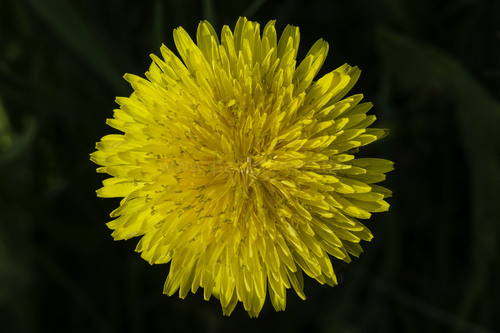
Visiting Observatory Park offers a unique opportunity to connect with both science and nature in a serene setting. Whether you're a history enthusiast eager to admire the observatory's architecture, an aspiring astronomer hoping to glimpse distant stars, or simply looking for a beautiful spot for a leisurely stroll among common dandelions and dwarf mallows, the park provides a memorable experience. Its tranquil ambiance and stunning views, occasionally offering glimpses of the Rocky Mountains, make it a truly special destination in Denver. Wondering what that bird or insect is? Find out on your visit using the Snappit nature app.
The genesis of Observatory Park is deeply intertwined with the establishment of the Chamberlin Observatory, a vision brought to life in the late 19th century. Construction of the observatory began in 1888 and was completed by 1890, with "first light" for its renowned telescope occurring in July 1894. The project was largely funded by Denver real estate magnate Humphrey Barker Chamberlin, who pledged a significant $50,000 for its creation. The observatory's design was a collaborative effort, with Professor Herbert Howe, the University of Denver's first astronomy professor, overseeing the astronomical specifications, and renowned architect Robert S. Roeschlaub designing the impressive Richardson Romanesque-style building. Crafted from red sandstone quarried in Lyons, Colorado, and timber from Oregon, the observatory was built to house its crowning jewel: a 20-inch Alvan Clark refractor telescope. This instrument was considered revolutionary in its time, ranking as the fifth-largest telescope in the U.S. and becoming a defining landmark for the burgeoning University Park neighborhood. The Chamberlin Observatory has been recognized for its historical and architectural significance by being listed on the National Register of Historic Places.
Participate in public stargazing events at the Chamberlin Observatory.
Enjoy a picnic on the sprawling lawns.
Go for a walk or run along the scenic paths, appreciating the diverse tree species like Japanese Cherry and Blue Spruce.
Play tennis or other field sports.
Observe local flora and fauna, including various bird species like the Northern Flicker and common urban animals such as the Eastern Fox Squirrel.
Take photographs of the historic observatory and the park's natural beauty.
Spring (March-May): Experience comfortable weather with blooming wildflowers and trees like Eastern Redbud. Weather can be unpredictable, with sudden shifts from warmth to snow.
Summer (June-August): Ideal for outdoor activities with warm temperatures, but be prepared for potential afternoon thunderstorms.
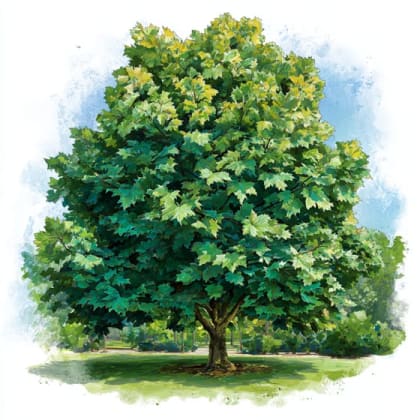
Fall (September-November): Enjoy mild temperatures and beautiful fall foliage from trees like Norway Maple and Osage-orange.
Winter (December-February): While colder, Denver winters often have sunny days. The observatory may still offer indoor tours even if stargazing is weather-dependent.
Observatory Park features well-maintained walking paths, making it accessible for casual strolls. Specific details regarding wheelchair accessibility for all areas of the historic Chamberlin Observatory are not broadly specified in public resources, but it is owned by the University of Denver and runs public events, so it's advisable to contact the Denver Astronomical Society directly for detailed accessibility inquiries regarding the observatory interior.
Admire its beautiful Richardson Romanesque architecture and, during scheduled public nights, experience stargazing through the historic 20-inch Alvan Clark refractor telescope.
Enjoy the open fields perfect for relaxation and recreation.
Explore the park's well-maintained trails.
Each card links to a full Explore page with photos, traits, and fun facts.
Start with the big picture, then zoom in to explore individual wildlife observations around this place.
Check Observatory Schedule
If you wish to experience stargazing, visit the Denver Astronomical Society's website for the current schedule of public observing nights and full moon watches at Chamberlin Observatory.
Dress in Layers
Denver weather can be unpredictable, so dressing in layers is advisable, especially for evening observatory visits where temperatures can drop.
Pack a Picnic
The park offers ample green space and picnic areas, making it a perfect spot for an outdoor meal.
Comfortable Footwear
Wear comfortable shoes to enjoy walking and exploring the park's extensive paths.
Bring a Camera
The historic architecture of the observatory and the park's natural scenery, including unique tree species like the Japanese Cherry, provide excellent photo opportunities.
Spot Wildlife and Flora
Keep an eye out for local species such as Eastern Fox Squirrels, various birds like the Northern Flicker, and beautiful plants like Blue Spruce and Oregon Grape.
Nov 1, 2025
Oct 17, 2025
Sep 30, 2025
Sep 19, 2025
Sep 17, 2025

Maryland, US
You might spot White-Tailed Deer and Eastern Gray Squirrel.
View guide →
.jpg)
District of Columbia, US
You might spot Eastern Gray Squirrel, Duck, and House Sparrow.
View guide →

Illinois, US
You might spot American Robin, Canada Goose, and House Sparrow.
View guide →

Virginia, US
You might spot Spotted Lanternfly and Northern Cardinal.
View guide →
Take the discovery with you
Identify the wildlife you spot, learn as you go, and keep a collection of the adventure.