



Yellow Stainer
Agaricus
The Yellow Stainer is a mushroom that changes color when you touch it! It's a fun one to spot in the wild.
Habitat: In fields and meadows
The Yellow Stainer is a medium-sized mushroom with a smooth, white cap that can turn slightly yellow with age. Its gills start pink and darken to a chocolate brown. A key identifying feature is its bright yellow stain when the cap or stem is bruised, especially at the base.
Category
FungiRarity
Common
Danger
1/5 · Very low
Snaps
Be the first to snap!
Despite its innocent look, it’s one of the most common causes of mushroom poisoning.
If you try to cook this mushroom, its unpleasant chemical smell gets even stronger!
It often grows in circles in lawns, sometimes called “fairy rings.”
Its scientific name, Agaricus xanthodermus, means “yellow skin mushroom.”
Yellow Stainer can change its color to bright yellow when touched, because it has special chemicals that react with air.
Yellow Stainer has a unique, unpleasant ink-like smell that helps warn animals it's not good to eat.
Yellow Stainer produces millions of dark brown spores that help it spread its babies far and wide to new places.
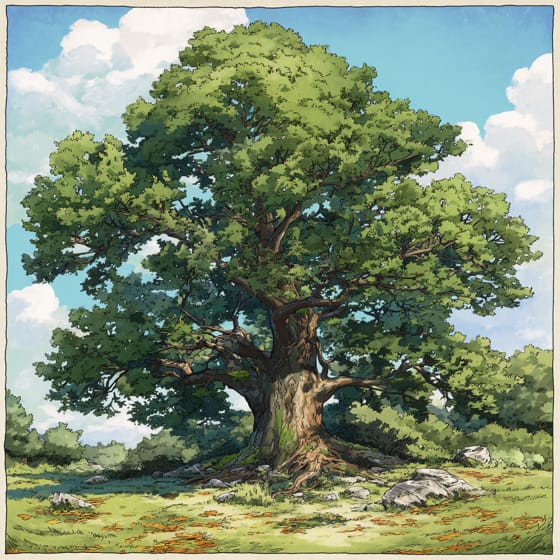
Quercus robur
Feeds on decaying leaf litter around its roots in woodland areas.
Arion ater
Some slugs are sometimes seen munching on its cap.
Poa annua
Often grows in lawns near this common type of grass.
Deciduous plants periodically shed all their leaves, typically during autumn or dry seasons.
Spore-producing organisms reproduce by releasing small, often single-celled, reproductive units called spores.
Grassland habitats are terrestrial biomes dominated by grasses and herbaceous plants, supporting a variety of grazing animals.
Describes organisms that break down dead organic material, recycling nutrients back into the ecosystem.
Danger
1/5 · Very low
Do not pick or eat anything you find. Some plants and mushrooms can be harmful.
6-12 cm
poisonous
5-15 cm
In fields and meadows
soil
Summer, fall
Dark brown
Zoom in to split clusters and explore where this object has been snapped.
Recent snaps will appear here as new observations are added.