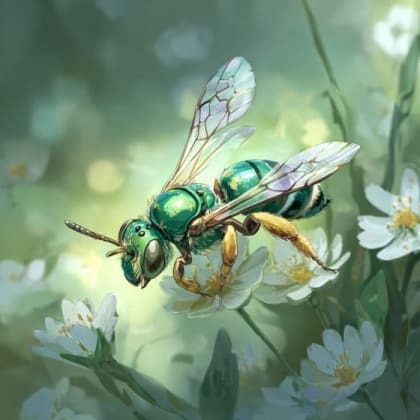
Giant Weta
Deinacrida mahoenui
Giant Weta is a large insect from New Zealand. They are very friendly and love to hop around!
Habitat: Forests and grasslands in New Zealand
The Giant Weta has a large, robust body, typically reddish-brown or orange-brown in color, with a distinctive large head. Its powerful, spiny hind legs are a key visual feature, making it look like a formidable, oversized cricket.
Category
InsectsRarity
Rare
Danger
2/5 · Low
Snaps
Be the first to snap!
Giant Wetas are only found on certain islands of New Zealand, making them very special!
Giant Wetas can rub their legs together to make loud chirping or hissing noises!
Some Giant Weta species weigh more than a sparrow, making them huge bugs!
Their ancestors lived with dinosaurs, so Giant Wetas are truly ancient insects!
Giant Weta has a super heavy body that helps them endure tough environments as a large, resilient insect.
Giant Weta can kick with spiny legs that helps them ward off predators like birds and rodents.
Giant Weta has exceptional night vision that helps them find food and avoid predators in the dark.
Giant Weta can jump powerfully using its strong hind legs that helps them escape quickly from danger.
Giant Weta enjoys a varied diet of plants, fruits, and other small insects found in its forest home.
Rattus rattus
Invasive rats are a major predator of weta nymphs and adults.
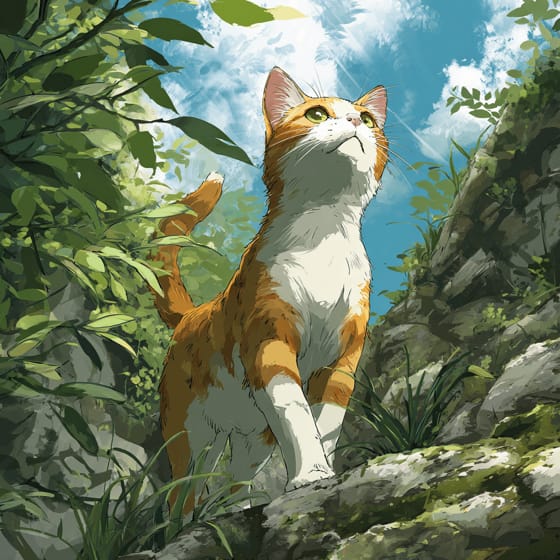
Felis catus
Feral and pet cats prey on wetas, especially in forest edges.
Coprosma robusta
Weta will feed on leaves and berries from various native plants.
Metrosideros excelsa
Uses tree crevices and leaf litter for daytime refuge.
Wildlife encompasses all undomesticated animal and plant life existing in their natural habitats.
This trait characterizes organisms whose diet consists entirely or primarily of plant material.
This trait signifies organisms belonging to a very old evolutionary group with ancestors dating back millions of years.
Forest habitats are terrestrial environments dominated by dense tree cover, supporting a high diversity of plant and animal life.

This trait characterizes organisms with an exceptionally long lifespan compared to others of their kind.

Giant describes organisms or objects of significantly larger size than average for their species or type.

Nocturnal animals are primarily active during the nighttime hours, typically resting or sleeping during the day.
Danger
2/5 · Low
Do not touch or pick up. Some insects sting or bite. Ask an adult for help.
50-100 mm
730-1095 days
Giant Weta enjoys a varied diet of plants, fruits, and other small insects found in its forest home.
Forests and grasslands in New Zealand
Foraging
6
Zoom in to split clusters and explore where this object has been snapped.
Recent snaps will appear here as new observations are added.