





Cave Spider
Neoleptoneta myopica
Cave spiders are fascinating creatures that live in dark, damp places like caves. They have eight legs and can spin sticky webs to catch their prey.
Habitat: Caves
The Cave Spider is typically a very small, pale arachnid, often appearing translucent white or yellowish. It has long, delicate legs and a soft, oval-shaped body. Some species are completely eyeless, making them uniquely adapted to dark environments.
Category
InsectsRarity
Common
Danger
2/5 · Low
Snaps
Be the first to snap!
Even though they are called spiders, they are not insects, but belong to a group called arachnids!
Many cave spiders have lost their eyes completely, never seeing a single ray of light!
Some rare cave spiders only exist in one single cave system on Earth, found nowhere else!
These amazing creatures can live for several years, slowly growing in their dark, silent homes.
Cave Spiders can 'see' with vibrations because specialized leg hairs detect tiny movements, helping them find prey and avoid danger in total darkness.
Cave Spiders can spin intricate, super-sticky webs that help them ambush and catch insects without needing to chase them in the dark.
Cave Spiders can survive long periods without food because they have a slow metabolism, helping them live in caves where food is often scarce.
Cave Spiders can smell their way around because they have highly sensitive chemical receptors on their legs, guiding them through pitch-black tunnels.
Tiny predators that catch insects and other small critters in their webs.
Speolepta hyalina
Trapped in sticky silk webs.
Trichoniscus pusillus
Snared when wandering past webs.
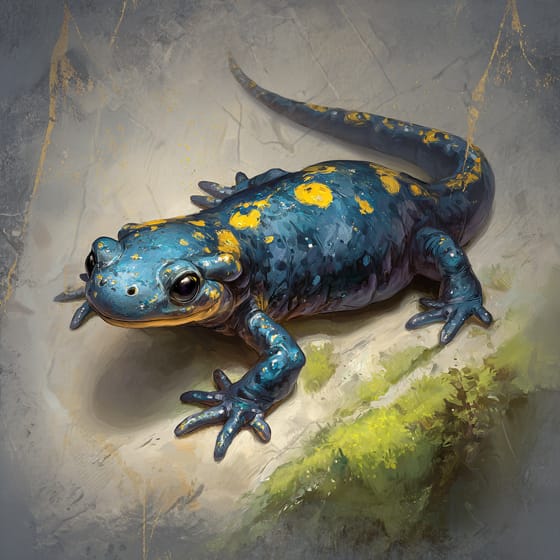
Eurycea lucifuga
A meal for larger cave inhabitants.
Neaphaenops tellkampfii
Preyed upon by hungry cave beetles.
Wildlife encompasses all undomesticated animal and plant life existing in their natural habitats.
Solitary animals live alone for most of their lives, only interacting with others for mating or parental care.
This trait characterizes organisms that construct elaborate silken webs for catching prey, shelter, or reproduction.
Cave dwelling describes organisms specifically adapted to live in underground cave systems, often exhibiting specialized traits due to lack of light.

This trait identifies organisms whose diet primarily consists of insects and other small invertebrates.

Nocturnal animals are primarily active during the nighttime hours, typically resting or sleeping during the day.
No aliases listed yet.
Danger
2/5 · Low
Avoid touching or getting too close to cave spiders to prevent any accidental bites.
The easiest way to identify Cave Spider is to use the Snappit nature identifier app.
1.5-3 mm
365-1095 days
Tiny predators that catch insects and other small critters in their webs.
Caves
Ambush
8
Zoom in to split clusters and explore where this object has been snapped.
Recent snaps will appear here as new observations are added.
Take the discovery with you
Snap it with Snappit to identify it, learn what makes it special, and add the discovery to your collection.









.jpg&width=800)




