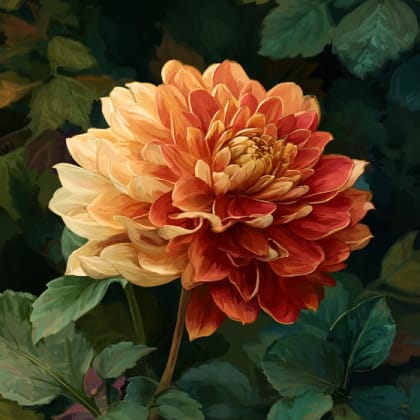
Joe-Pye Weeds
eutrochium
Joe-Pye Weeds are tall, beautiful plants that attract butterflies and bees! Their fluffy purple flowers make them look like they are wearing a fuzzy hat!
Habitat: Wet meadows, along streams, and in fields.
The Joe-Pye Weeds is a tall, sturdy plant with whorled, lance-shaped leaves. It has large, domed or flat-topped clusters of fuzzy, purplish-pink flowers that are quite striking. Its unique growth habit of leaves in circles around the stem makes it easily identifiable.
Category
PlantsRarity
Common
Danger
0/5 · No known danger
Snaps
Be the first to snap!
Butterflies absolutely swarm Joe-Pye Weeds, loving their sweet nectar and landing spots!
Its large leaves grow in circles around the stem, a rare pattern in plants!
Native Americans used different parts of this plant to make traditional medicines.
The plant’s fuzzy flower clusters can be over a foot wide, like giant pink domes!
Joe-Pye Weeds can attract a diverse array of insects with its nectar-rich, late-blooming flowers, helping secure its reproduction.
Joe-Pye Weeds has specialized roots that can thrive in consistently moist or even wet soils, helping it survive in swampy habitats.
Joe-Pye Weeds has incredibly strong, tall stalks that allow it to compete for sunlight in dense plant communities.
Bombus impatiens
Gathers nectar and pollen from its flowers.
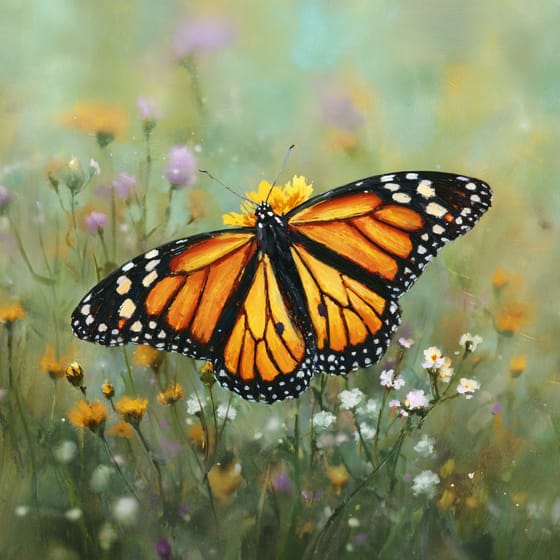
Danaus plexippus
Feeds on nectar, a crucial late-season food source.

Odocoileus virginianus
Browses on the leaves and stems, especially young growth.
Apis mellifera
Collects nectar and pollen from the abundant blossoms.
Colorful describes organisms or objects displaying a wide range of bright and distinct colors.
This trait characterizes organisms whose diet consists entirely or primarily of plant material.
Describes organisms that break down dead organic material, recycling nutrients back into the ecosystem.
Diurnal animals are primarily active during daylight hours, typically resting or sleeping at night.

Describes organisms that transfer pollen, enabling the fertilization and reproduction of plants.
Danger
0/5 · No known danger
No special safety notes yet.
150-300 cm
60-120 cm
0.5-1.5 cm
Late Summer to Fall
No
None
Perennial
Insect
Zoom in to split clusters and explore where this object has been snapped.
Recent snaps will appear here as new observations are added.