





Clivia
Clivia
Clivia has beautiful clusters of orange flowers that bloom in the spring. They are easy to grow and can brighten up any indoor space!
Habitat: Wooded areas and gardens
The Clivia has dark green, strap-like leaves that arch gracefully from a central base. Its vibrant flowers, typically orange or yellow, are trumpet-shaped and grow in a showy, umbrella-like cluster on a tall stalk, making it visually distinct.
Category
PlantsRarity
Rare
Danger
1/5 · Very low
Snaps
Be the first to snap!
Clivia plants are named after Lady Charlotte Clive, a British Duchess!
Its bright, red berries can stay on the plant for up to a year!
Some rare Clivia plants have stunning striped or variegated leaves!
These plants can bloom even in winter, bringing color when least expected!
Clivia has broad, dark leaves that allow it to efficiently capture light in shady environments, helping it thrive where others struggle.
Clivia stores water in its thick, fleshy roots, helping it survive periods of drought by accessing its internal water supply.
Clivia produces bright red berries that can stay on the plant for months, signaling to dispersers that seeds are ready.
Apis mellifera
Visits flowers for nectar, transferring pollen.
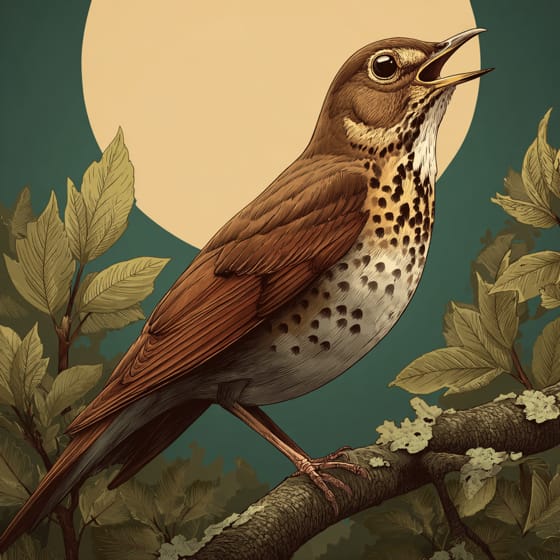
Turdus philomelos
May consume berries, aiding in seed dispersal.

Helix aspersa
Occasionally munches on its leaves as a pest.
Cluster flowers are inflorescences where individual flowers are arranged closely together on a common stem.
Shade tolerant plants are adapted to grow and thrive in areas with low light levels, requiring less direct sunlight.
Evergreen plants retain their foliage throughout the year, never shedding all their leaves at once.
Fragrant flowers emit a pleasant aroma, often to attract pollinators or for defense.

Forest habitats are terrestrial environments dominated by dense tree cover, supporting a high diversity of plant and animal life.
Danger
1/5 · Very low
Explore with care and ask an adult if you’re unsure what to do.
The easiest way to identify Clivia is to use the Snappit nature identifier app.
30-60 cm
30-60 cm
2-5 cm
Late_winter_to_spring
No
Mild
Perennial
Zoom in to split clusters and explore where this object has been snapped.
Recent snaps will appear here as new observations are added.
Take the discovery with you
Snap it with Snappit to identify it, learn what makes it special, and add the discovery to your collection.








.jpg&width=800)


_001.jpg&width=800)


