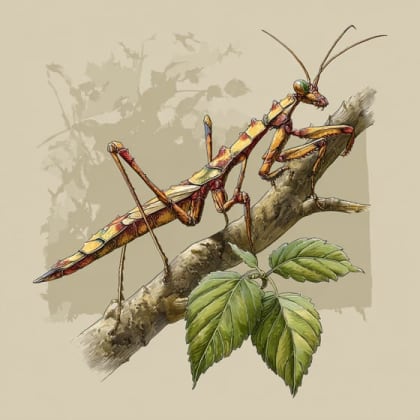
Alderfly
Leptosialis Esben-Petersen
Alderflies are beautiful insects that love to be near water. They have soft bodies and long wings.
Habitat: Wetlands and ponds
The Alderfly is a dark-bodied insect, typically brownish-black, with four large, membranous wings that are held tent-like over its back. Its wings feature prominent dark veins and a distinct dark spot near the tip, making it look different from delicate damselflies.
Category
InsectsRarity
Rare
Danger
2/5 · Low
Snaps
Be the first to snap!
Alderflies are considered living fossils, with relatives dating back millions of years!
Alderfly larvae have powerful jaws, making them fierce underwater hunters!
Finding alderflies in a stream is a good sign of clean, healthy water!
Many adult alderflies barely eat, living off energy stored from their youth!
Alderfly larvae can survive underwater for up to two years, using special gills to breathe in their watery homes.
Alderfly larvae can skillfully ambush prey underwater, using powerful jaws to quickly capture other small insects.
The adult Alderfly has dull brown and black coloring that helps it blend perfectly with tree bark and riverside plants.
Alderfly larvae only thrive in clean, unpolluted water, making them a natural sign of a healthy aquatic ecosystem.
Alderfly larvae are fierce aquatic predators, but adults usually don't eat much or at all.
Age differences: Larvae are active carnivorous predators, while adults typically do not feed or only consume dew/nectar.
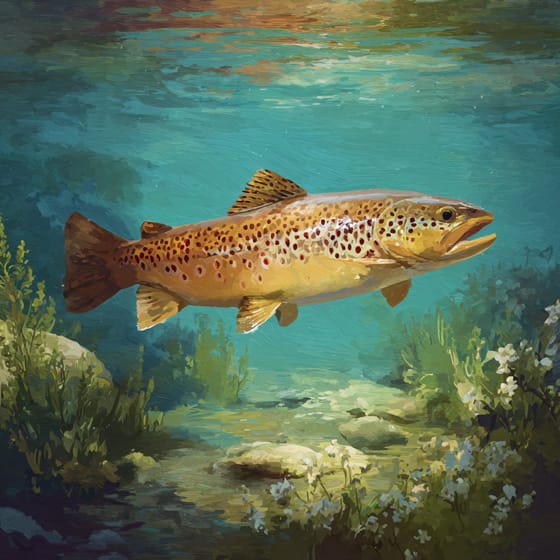
Salmo trutta
Larvae are an important food source for trout.
Chironomus plumosus
Larvae hunt midge larvae in freshwater.
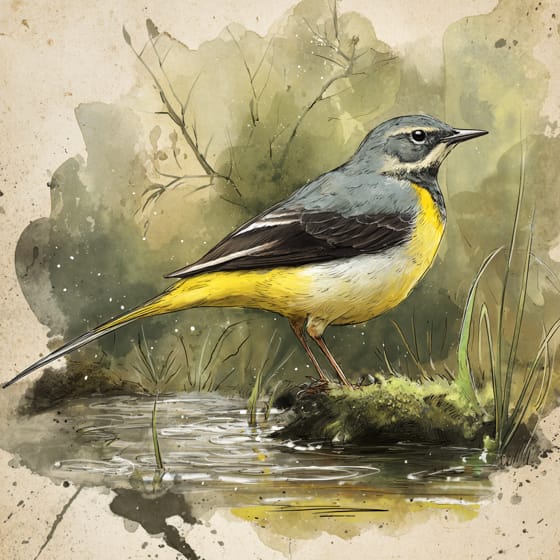
Motacilla cinerea
Adults are prey for riverside birds.
Rana temporaria
Adult alderflies can be prey for amphibians.
Wildlife encompasses all undomesticated animal and plant life existing in their natural habitats.
Camouflaged describes organisms that possess coloring or patterns that allow them to blend into their environment.
This trait identifies organisms whose diet primarily consists of insects and other small invertebrates.
This habitat trait identifies species found in wetlands, which are areas of land saturated with water, either permanently or seasonally, including marshes, swamps, and bogs.

Aquatic habitats encompass environments where organisms live predominantly in water, including oceans, rivers, lakes, and wetlands.

Nocturnal animals are primarily active during the nighttime hours, typically resting or sleeping during the day.
No aliases listed yet.
Danger
2/5 · Low
Do not touch or pick up. Some insects sting or bite. Ask an adult for help.
20-40 mm
10-20 mm
3-14 days
8 km/h
Alderfly larvae are fierce aquatic predators, but adults usually don't eat much or at all.
Wetlands and ponds
Ambush
6
Zoom in to split clusters and explore where this object has been snapped.
Recent snaps will appear here as new observations are added.