




Daisy
Bellis perennis
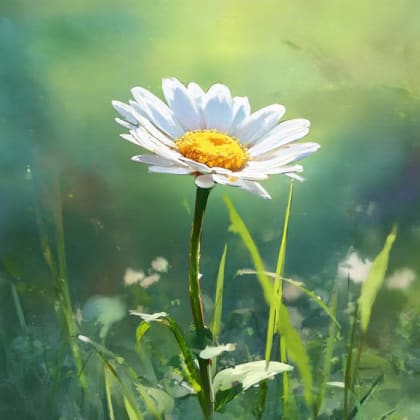
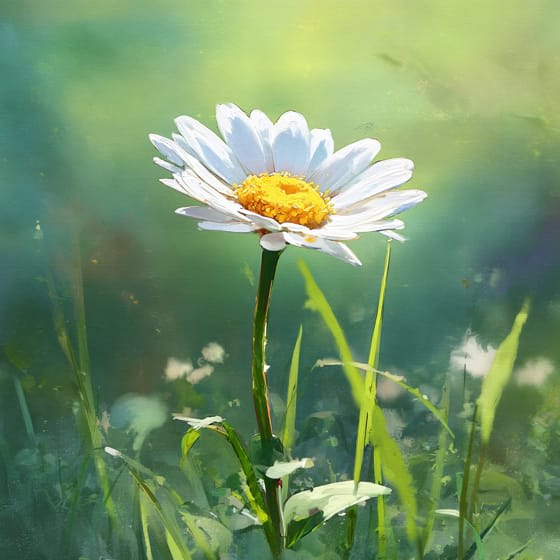
Daisies are beautiful flowers with white petals and a yellow center. They grow in meadows, gardens, and fields, adding a touch of charm to the landscape.
Habitat: Meadows, Gardens, Fields
The Daisy has bright white petals forming a fringe around a dense, golden-yellow center. Its small, spoon-shaped green leaves grow in a flat rosette close to the ground, with flowers rising on slender, leafless stems, making it distinct from many larger wildflowers.
Category
PlantsRarity
Common
Danger
1/5 · Very low
Snaps
45
Ancient Romans used crushed daisies to help heal wounds for their soldiers!
Daisies are super tough; they can even grow through cracks in pavement!
Its name, 'Daisy,' means 'day's eye' because its petals open to the sun!
You can eat young daisy leaves and petals; they add a peppery flavor to salads!
Daisy can fold its white petals inwards at night to protect its delicate pollen from dew and cold, then reopens them to greet the sun.
Daisy has a low-growing rosette of leaves that helps it survive being mown or trampled, quickly recovering in lawns and fields.
Daisy has many tiny individual flowers packed into one 'flower head', making it a super-efficient target for attracting various insect pollinators.
Apis mellifera
Gathers nectar and pollen from daisy flowers.
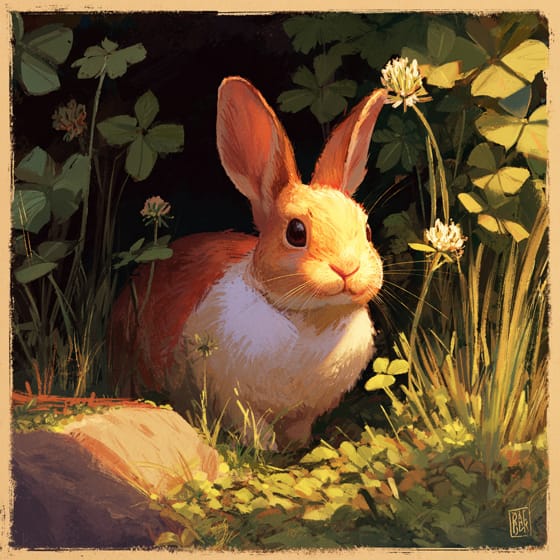
Oryctolagus cuniculus
Graze on daisy leaves and flower heads.
Bombus terrestris
Visits daisies for nectar and pollen.
Helix aspersa
Feeds on daisy foliage, especially young leaves.
Herbaceous plants are non-woody plants with soft stems that typically die back to the ground at the end of the growing season.
Flowering plants are any plants that produce flowers as part of their reproductive cycle.
Fragrant flowers emit a pleasant aroma, often to attract pollinators or for defense.
Describes organisms that transfer pollen, enabling the fertilization and reproduction of plants.
Danger
1/5 · Very low
Enjoy daisies from a distance and avoid picking them to let them grow and spread their beauty.
10-20 cm
10-20 cm
1.5-3 cm
Spring to Autumn
Yes
None
Perennial
Insect
Zoom in to split clusters and explore where this object has been snapped.
New York, US
You might spot Mute Swan, Duck, and House Sparrow.
View guide →

England, UK
You might spot Blue Shark, Great White Shark, and Tiger Shark.
View guide →

Bremen, DE
You might spot Black-Headed Gull and Lesser Black-Backed Gull.
View guide →
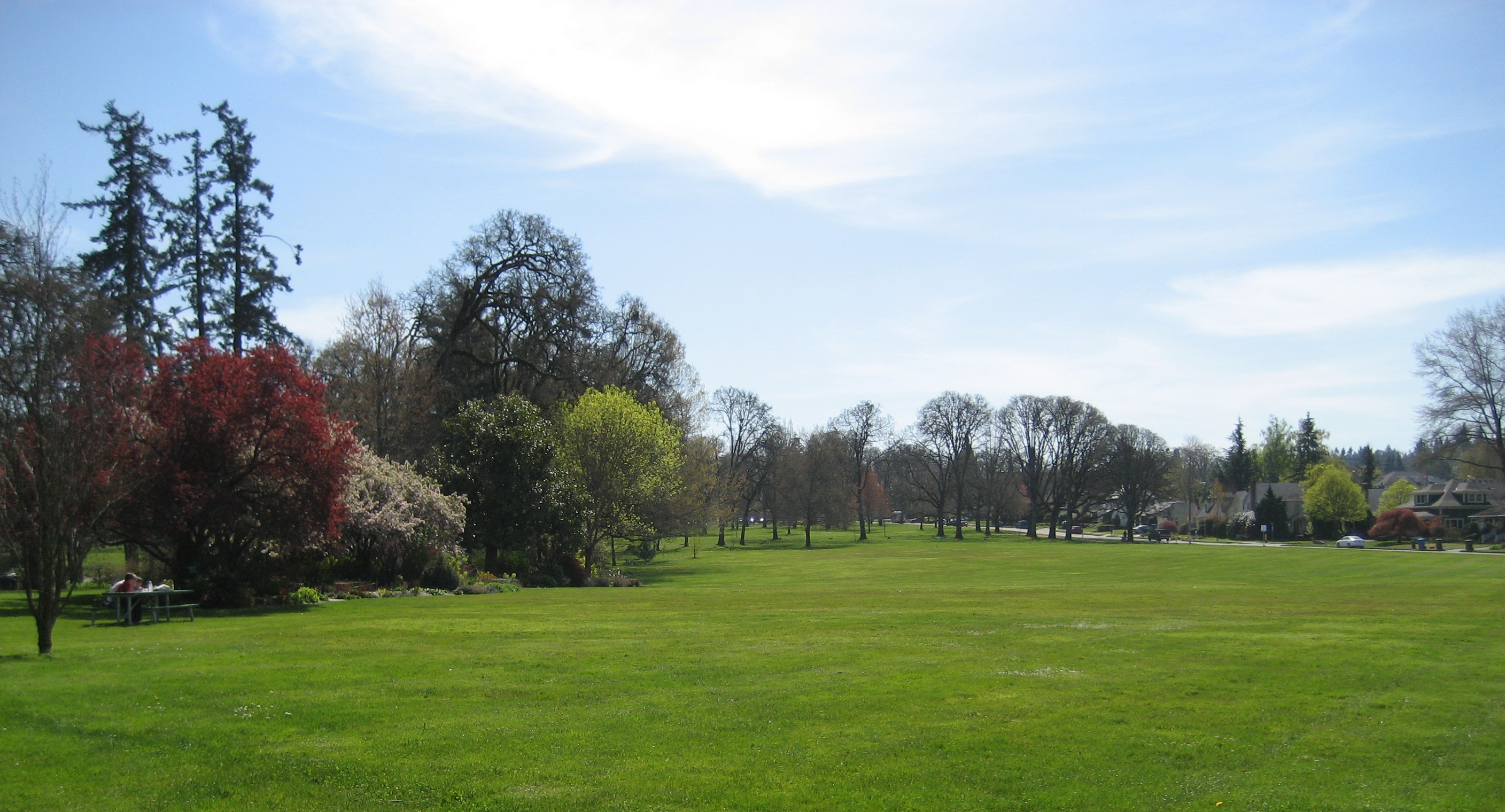
Oregon, US
You might spot Oregon Oak and Douglas's Ground Squirrel.
View guide →

England, UK
You might spot African Lion, Komodo Dragon, and Common Ostrich.
View guide →

England, UK
You might spot Asian Lady Beetle, Rook, and Red Admiral.
View guide →