


Matsutake
Tricholoma
Matsutake mushrooms are prized for their delicious taste! They grow under trees and are often found in forests.
Habitat: Forests
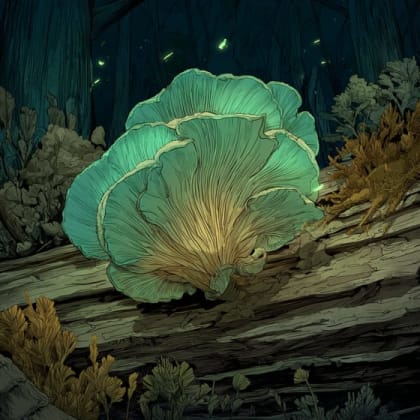
The Matsutake has a sturdy, white to brownish cap that can be partly hidden under soil. Its thick white stem is covered by a veil, leaving a distinctive ring as it matures. The cap often has a unique, slightly fibrous surface.
Category
FungiRarity
Rare
Danger
1/5 · Very low
Snaps
Be the first to snap!
Finding Matsutake often requires a special nose and secret forest spots!
Its name means 'pine mushroom' because it loves growing near pine trees.
Matsutake mushrooms can be worth hundreds of dollars each!
Some people describe its unique smell as a mix of cinnamon and dirty socks!
Matsutake can release a powerful, unique spicy-cinnamon aroma that helps others find it and signals its presence underground.
Matsutake has a special connection with tree roots, sharing nutrients that helps both the fungus and the tree grow strong.
Matsutake often grows partially buried in the soil, protecting its delicate parts from harsh weather and hungry creatures.
Pinus densiflora
Forms mycorrhizal association for nutrient exchange.
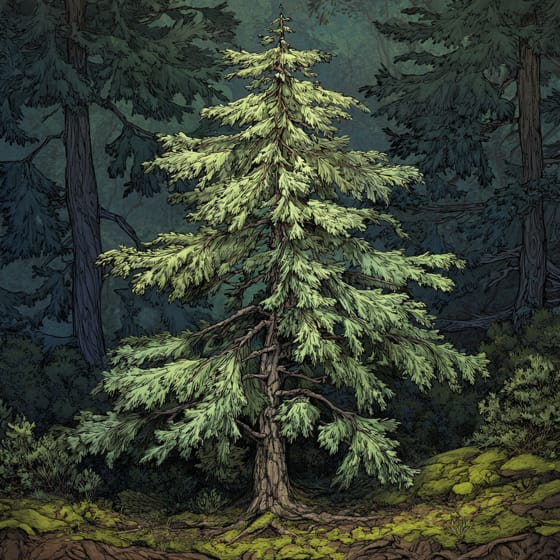
Tsuga heterophylla
Often found growing in symbiosis with its roots.
Quercus serrata
Establishes a beneficial root connection in forests.
Fragrant flowers emit a pleasant aroma, often to attract pollinators or for defense.
Spore-producing organisms reproduce by releasing small, often single-celled, reproductive units called spores.
Edible plants are those parts of a plant that are considered safe for human consumption.
This human use trait indicates species from which spices are derived, used for flavoring, preserving food, or as aromatic agents.

Forest habitats are terrestrial environments dominated by dense tree cover, supporting a high diversity of plant and animal life.
Danger
1/5 · Very low
Do not pick or eat anything you find. Some plants and mushrooms can be harmful.
10-25 cm
edible
6-20 cm
Forests
soil
Fall
White
Zoom in to split clusters and explore where this object has been snapped.
Recent snaps will appear here as new observations are added.