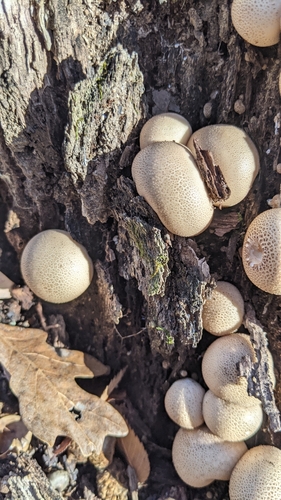




Pear-shaped Puffball
Lycoperdon
The Pear-shaped Puffball is shaped like a pear! It’s another fun fungus that puffs out spores when it’s ready.
Habitat: In grassy areas and forests
The Pear-shaped Puffball is a small, club-to-pear-shaped fungus, often growing in clusters. It typically has a pale off-white to yellowish-brown surface, sometimes with small, easily rubbed-off spines, and a distinctive sterile, stem-like base that is attached to wood.
Category
FungiRarity
Common
Danger
1/5 · Very low
Snaps
7
Its 'skin' changes from white to yellowish-brown with age.
Old puffballs are like tiny smoke bombs when stepped on!
The inside of a young puffball is pure white, like marshmallow!
They often grow in huge, packed clusters on logs!
Pear-shaped Puffball can release millions of dusty spores into the air when squished, spreading its future generations widely.
Pear-shaped Puffball has enzymes that help them break down dead wood, returning vital nutrients to the forest ecosystem.
Pear-shaped Puffball often grows in dense, packed clusters on dead wood, maximizing its use of available nutrients.
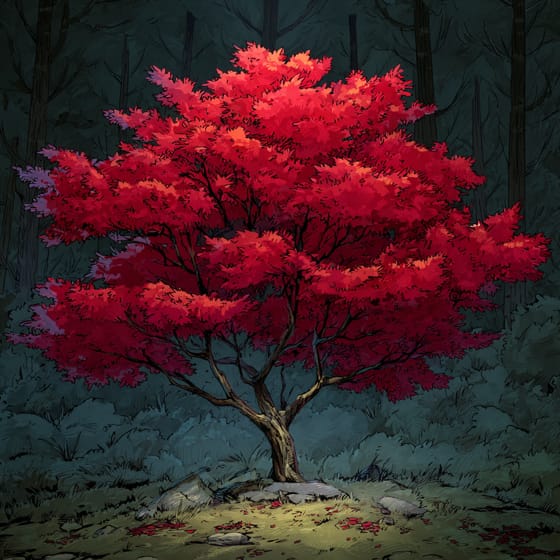
Acer rubrum
Breaks down dead red maple wood, returning nutrients to the soil.
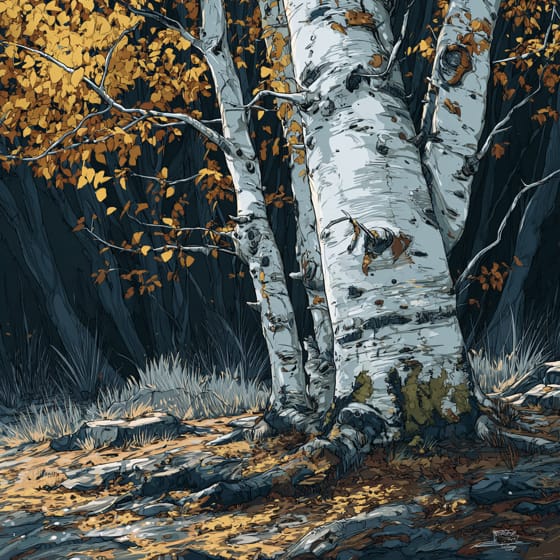
Betula papyrifera
Grows on and decomposes fallen paper birch logs and branches.
Mycetophila fungorum
Fungus gnat larvae tunnel through and consume its flesh.
Spore-producing organisms reproduce by releasing small, often single-celled, reproductive units called spores.
Edible plants are those parts of a plant that are considered safe for human consumption.
Describes organisms that break down dead organic material, recycling nutrients back into the ecosystem.
Forest habitats are terrestrial environments dominated by dense tree cover, supporting a high diversity of plant and animal life.
No aliases listed yet.
Danger
1/5 · Very low
Do not pick or eat anything you find. Some plants and mushrooms can be harmful.
The easiest way to identify Pear-shaped Puffball is to use the Snappit nature identifier app.
2-7 cm
edible
1-4 cm
In grassy areas and forests
wood
Late summer to fall
Olive-brown
Zoom in to split clusters and explore where this object has been snapped.
Nov 6, 2022
Buford Mountain Conservation AreaPhoto attribution
(c) nina fogel, some rights reserved (CC BY)
License: CC BY 4.0 ↗
Image may be shown cropped inside the card frame.

New York, US
You might spot American Toad and Intermediate Wood Fern.
View guide →
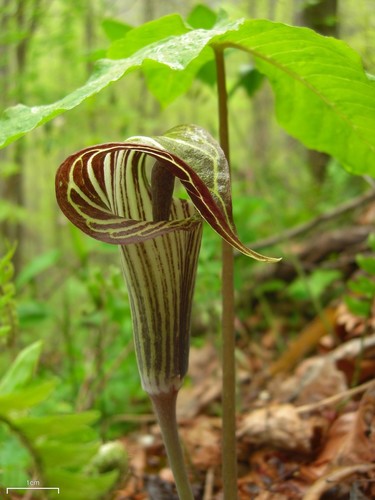
Kentucky, US
You might spot Jack-In-The-Pulpit and Prairie Trillium.
View guide →

Missouri, US
You might spot Blackjack Oak, Bird's Foot Violet, and Starry Campion.
View guide →

Alabama, US
You might spot Dwarf Palmetto and Sensitive Fern.
View guide →
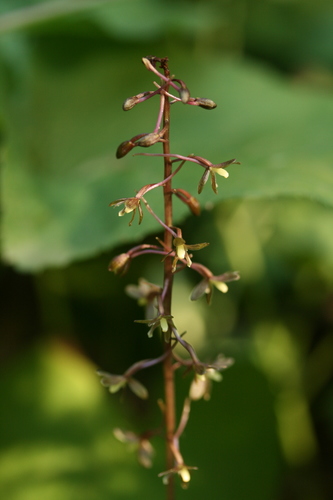
Virginia, US
You might spot Crane-Fly Orchid, Wild Geranium, and Cutleaf Coneflower.
View guide →

Ohio, US
You might spot Eastern Pondhawk, Double-Striped Bluet, and Skimming Bluet.
View guide →
Take the discovery with you
Snap it with Snappit to identify it, learn what makes it special, and add the discovery to your collection.