Field Ant
Formica incerta Buren
Field ants are often found in gardens and fields. They build their nests in the ground and enjoy warm, sunny days.
Habitat: Fields and gardens
The Field Ant is typically reddish-brown to black, often with a darker head and lighter abdomen. It has a distinct narrow waist separating its thorax and abdomen, and a relatively large head, making it look robust.
Category
InsectsRarity
Common
Danger
2/5 · Low
Snaps
Be the first to snap!
Field ants are very tidy, carrying dead colony members and waste out of their nests.
Field ants can lift over 50 times their own body weight, making them super strong!
Some field ant colonies can contain several queens, not just one, producing thousands of eggs.
They are sometimes called 'mound ants' because of the distinct soil mounds they build over their nests.
Field Ant can spray formic acid from its abdomen that helps them deter predators and overwhelm prey.
Field Ant has the ability to construct large, complex underground nests and towering mounds that shelter their colony.
Field Ant can leave invisible chemical trails (pheromones) that helps guide other ants to food and danger.
They eat small insects, nectar, honeydew from aphids, and seeds to fuel their busy colony life.
Aphis gossypii
Ants protect them for sugary honeydew.
Dendroctonus ponderosae
Field ants prey on larvae and pupae.
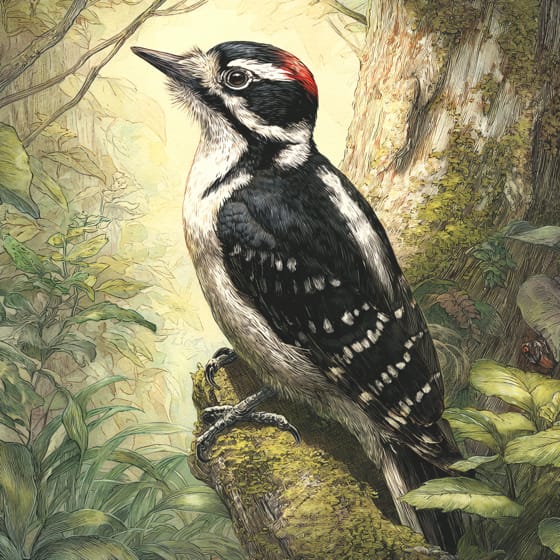
Picoides villosus
Woodpeckers forage for ants in logs.

Quercus alba
Provides habitat and insects for foraging.
Wildlife encompasses all undomesticated animal and plant life existing in their natural habitats.
Social animals live in organized groups, cooperating for survival benefits such as foraging, defense, and raising offspring.
This trait identifies organisms whose diet includes both plant and animal matter.
This human use trait describes species cultivated or domesticated by humans for agricultural purposes, including crops and livestock.

Grassland habitats are terrestrial biomes dominated by grasses and herbaceous plants, supporting a variety of grazing animals.

Describes organisms that transfer pollen, enabling the fertilization and reproduction of plants.
Danger
2/5 · Low
Do not touch or pick up. Some insects sting or bite. Ask an adult for help.
4-8 mm
60-90 days
They eat small insects, nectar, honeydew from aphids, and seeds to fuel their busy colony life.
Fields and gardens
Foraging
6
5000-50000
Zoom in to split clusters and explore where this object has been snapped.
Recent snaps will appear here as new observations are added.