





Emerald Ash Borer
Agrilus planipennis
The Emerald Ash Borer is a shiny green beetle that loves to eat ash trees. They are small but can cause big problems for forests.
Habitat: Forests
The Emerald Ash Borer is a slender, metallic green beetle with iridescent wing covers. Its flat back distinguishes it from many other beetles, and under its wings, segments of its body are a coppery-red or purplish color.
Category
InsectsRarity
Common
Danger
2/5 · Low
Snaps
3
First found in North America in 2002, likely arrived in wood packing.
It's tiny, yet has wiped out millions of ash trees across North America!
Its invasion costs billions of dollars in tree removal and treatment.
This beetle creates unique D-shaped exit holes when it emerges from trees.
This beetle has specialized antennae that help them detect ash trees by their unique chemical scents, guiding them to perfect egg-laying spots.
Emerald Ash Borer larvae can bore winding tunnels under ash tree bark because of their strong mandibles, which helps them consume vital tissues.
Emerald Ash Borer larvae pupate and then chew a distinctive D-shaped hole to exit the tree, which helps identify their presence.
The Emerald Ash Borer has a shimmering green exoskeleton that helps it blend into leafy environments, evading predators.
Emerald Ash Borer larvae consume the inner bark of ash trees, cutting off nutrient flow.
Age differences: Larvae consume ash tree inner bark; adults nibble ash leaves but cause less damage.
Wildlife encompasses all undomesticated animal and plant life existing in their natural habitats.
Colorful describes organisms or objects displaying a wide range of bright and distinct colors.
This trait characterizes organisms whose diet consists entirely or primarily of plant material.
Forest habitats are terrestrial environments dominated by dense tree cover, supporting a high diversity of plant and animal life.

Migratory animals undertake seasonal movements from one region to another, typically in response to changes in climate or food availability.

Invasive species are non-native organisms that cause harm to the environment, economy, or human health.
Danger
2/5 · Low
Avoid touching these beetles as they can harm trees. If you see one, tell an adult.
The easiest way to identify Emerald Ash Borer is to use the Snappit nature identifier app.
7.5-13.5 mm
365-730 days
10 km/h
Emerald Ash Borer larvae consume the inner bark of ash trees, cutting off nutrient flow.
Forests
Foraging
6
Zoom in to split clusters and explore where this object has been snapped.

Vermont, US
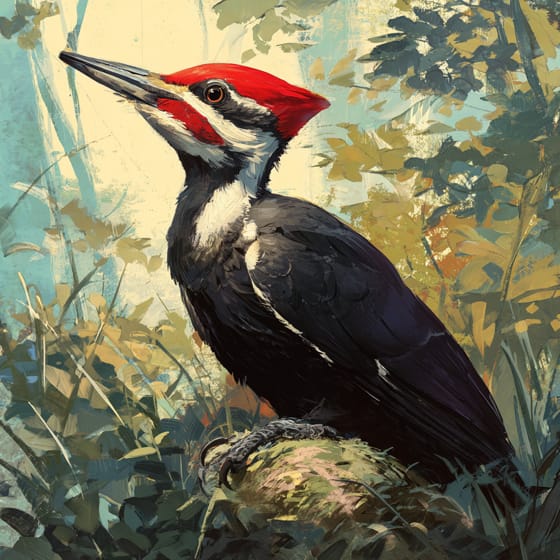
You might spot Japanese Knotweed and Red-Bellied Woodpecker.
View guide →
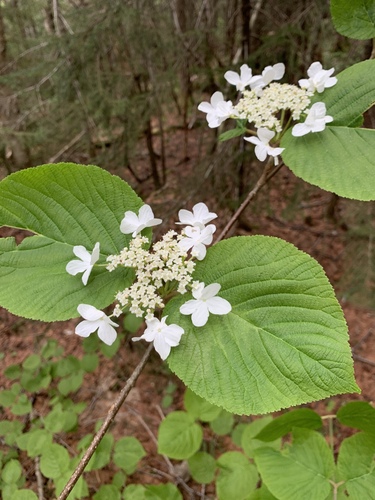
Massachusetts, US
You might spot Hobblebush, Red Trillium, and Eastern Newt.
View guide →

Tennessee, US
You might spot Black Maidenhair Fern and Great Blue Heron.
View guide →
Take the discovery with you
Snap it with Snappit to identify it, learn what makes it special, and add the discovery to your collection.









.jpg&width=800)


