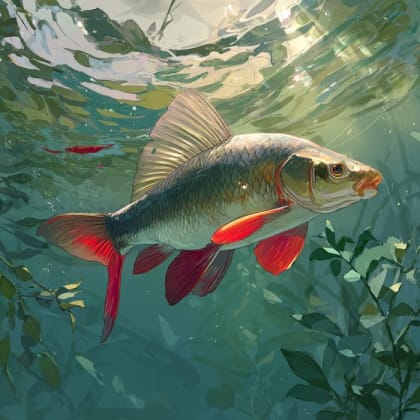


Blue Shark
Prionace glauca
Blue Sharks are sleek and beautiful with a blue back and white belly! They love to swim in deep ocean waters.
Habitat: Deep ocean waters
The Blue Shark has a long, slender, torpedo-shaped body with a striking iridescent blue color on its back that fades to white underneath. Its very long, pointed pectoral fins distinguish it from other sharks, giving it a sleek appearance.
Category
FishRarity
Rare
Danger
2/5 · Low
Snaps
Be the first to snap!
Blue Sharks are born live, with pups called 'pups' inside their mothers for up to a year!
Their amazing blue color helps them camouflage perfectly in the open ocean water.
These sleek sharks can have over 100 babies at once, though usually around 25 to 50.
They are one of the most widespread sharks, found in almost every ocean on Earth!
Blue Shark has a strong sense of smell and special pores (ampullae of Lorenzini) that help them detect tiny electric fields of prey.
Blue Shark can dive hundreds of meters deep in the ocean to hunt in cold, dark waters.
Blue sharks are expert hunters, mostly eating squid and smaller fish found in the open ocean.
Age differences: Young sharks primarily eat small fish and crustaceans; adults focus more on squid and larger fish.
Todarodes pacificus
A major food source for blue sharks across their range.
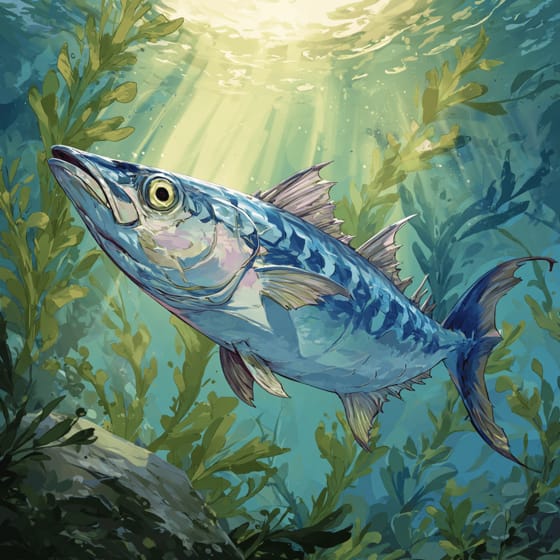
Scomber scombrus
Small schooling fish often preyed upon by blue sharks.
Orcinus orca
Large marine predators that sometimes hunt blue sharks.
Pandarus sinuatus
A small crustacean that lives on the skin of blue sharks.
Wildlife encompasses all undomesticated animal and plant life existing in their natural habitats.
Piscivorous organisms are animals that primarily subsist on a diet of fish.
Deep sea habitats are characterized by extreme pressure, darkness, and cold temperatures, supporting unique life forms below the sunlit zone.
This trait identifies organisms whose diet consists entirely or primarily of animal tissue.

This trait identifies organisms that exhibit exceptional swiftness in movement for hunting, escape, or travel.

Aquatic habitats encompass environments where organisms live predominantly in water, including oceans, rivers, lakes, and wetlands.

Marine habitats encompass all saltwater environments of the Earth's oceans, supporting an immense diversity of aquatic life.

Migratory animals undertake seasonal movements from one region to another, typically in response to changes in climate or food availability.
Danger
2/5 · Low
Watch quietly from a distance and never try to feed or chase wild animals.
180-380 cm
27-205 kg
15-20 years
Blue sharks are expert hunters, mostly eating squid and smaller fish found in the open ocean.
40 km/h
Deep ocean waters
Pursuit
600 m
Zoom in to split clusters and explore where this object has been snapped.
Recent snaps will appear here as new observations are added.