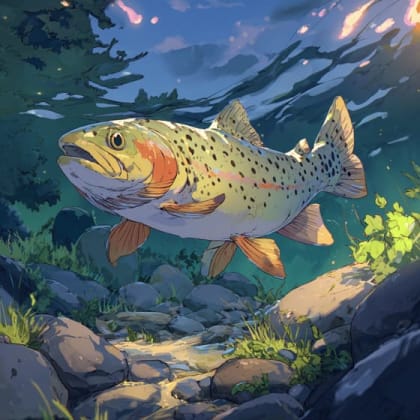



Atlantic Mackerel
Scomber scombrus
The Atlantic Mackerel is a fast and sleek fish that swims in the ocean. They have beautiful greenish-blue stripes on their backs!
Habitat: Open ocean
The Atlantic Mackerel has a sleek, torpedo-shaped body with an iridescent blue-green back and wavy, dark stripes. Its sides are silvery, fading to a white belly. This coloring provides excellent camouflage in open water.
Category
FishRarity
Common
Danger
2/5 · Low
Snaps
1
Atlantic Mackerel must swim constantly to breathe, or they'll suffocate!
Mackerel eggs just float around in the ocean, drifting wherever currents take them!
These fish have very red blood, packed with oxygen for their speedy swimming!
They don't have a swim bladder, letting them change ocean depth super fast!
Atlantic Mackerel forms massive schools that confuse predators and increase their chances of survival.
Atlantic Mackerel has a dark back and light belly (countershading) that helps them blend in with the ocean from above and below.
Atlantic Mackerel can migrate thousands of kilometers because they are built for long, efficient swims to feeding and spawning grounds.
They are agile hunters, mostly eating small fish and tiny ocean creatures like crustaceans.
Age differences: Young mackerel eat tiny plankton, while adults hunt small fish and larger crustaceans.
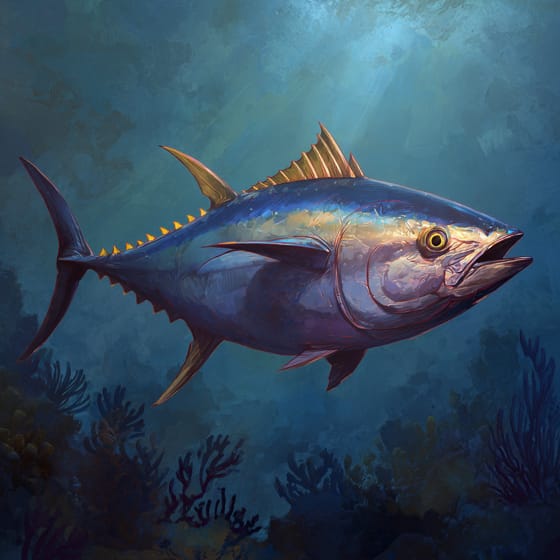
Thunnus thynnus
A fast predator of mackerel in the open ocean.
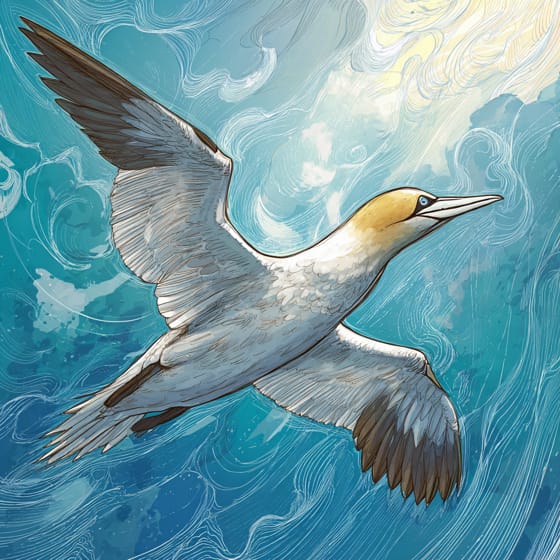
Morus bassanus
Diving seabird that preys on surface-dwelling mackerel schools.
Calanus finmarchicus
Primary food source for young and adult mackerel.
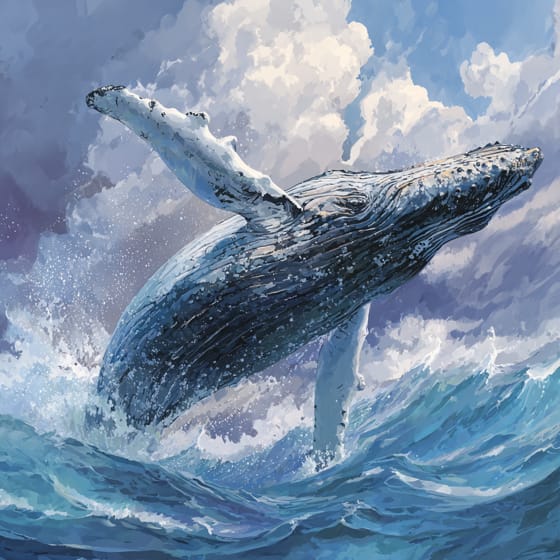
Megaptera novaeangliae
Filter-feeding whale that engulfs schools of mackerel.
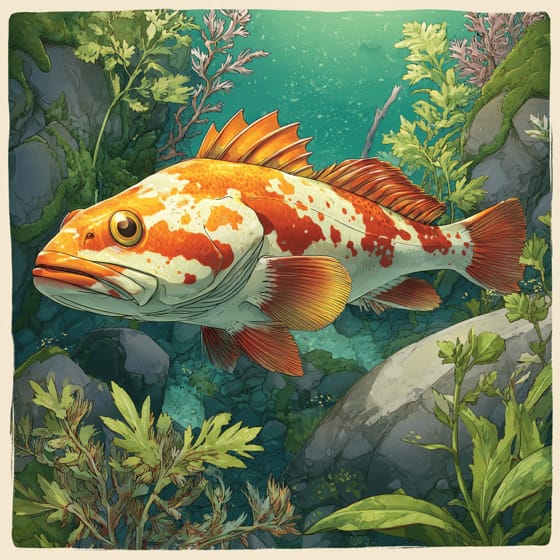
Gadus morhua
A common demersal predator of mackerel.
Wildlife encompasses all undomesticated animal and plant life existing in their natural habitats.
Marked with parallel bands or lines of color.
Piscivorous organisms are animals that primarily subsist on a diet of fish.
This trait identifies organisms that exhibit exceptional swiftness in movement for hunting, escape, or travel.

Aquatic habitats encompass environments where organisms live predominantly in water, including oceans, rivers, lakes, and wetlands.

Marine habitats encompass all saltwater environments of the Earth's oceans, supporting an immense diversity of aquatic life.
Danger
2/5 · Low
Watch quietly from a distance and never try to feed or chase wild animals.
The easiest way to identify Atlantic Mackerel is to use the Snappit nature identifier app.
30-50 cm
0.5-1.5 kg
10-20 years
They are agile hunters, mostly eating small fish and tiny ocean creatures like crustaceans.
75 km/h
Open ocean
Pursuit
Zoom in to split clusters and explore where this object has been snapped.
Take the discovery with you
Snap it with Snappit to identify it, learn what makes it special, and add the discovery to your collection.