Wild Geranium
Geranium maculatum L.
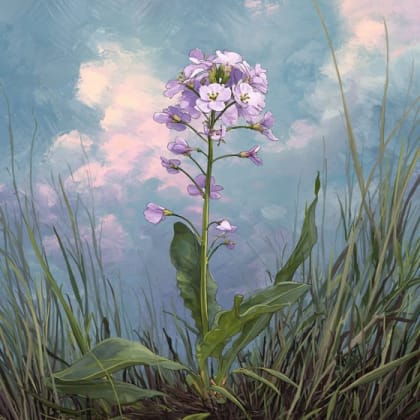
Wild Geranium is a colorful flower that grows in gardens and fields. Its bright pink or purple petals are like little stars shining in the sun.
Habitat: Meadows and woodlands
The Wild Geranium has soft green leaves with deep lobes, resembling a hand. Its delicate, five-petaled flowers bloom in shades of pink to lavender, often with darker veins, atop fuzzy stems.
Category
PlantsRarity
Common
Danger
1/5 · Very low
Snaps
Be the first to snap!
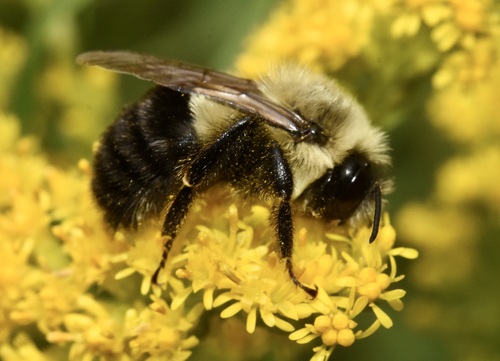
Bumblebees love to visit these flowers, often buzzing loudly as they collect nectar and pollen!
Its name comes from the Greek word 'geranos' meaning crane, because its seed pods look like a crane's beak!
Native Americans used the roots to make remedies for various ailments.
Wild Geranium flowers can change color slightly, getting darker as they age.
Wild Geranium has spring-loaded seed pods that can fling seeds far away, helping it spread to new places.
Wild Geranium can grow underground stems called rhizomes, allowing it to spread and create new plants easily.
Bombus impatiens
Main pollinator for nectar and pollen
Apis mellifera
Visits flowers for nectar and pollen
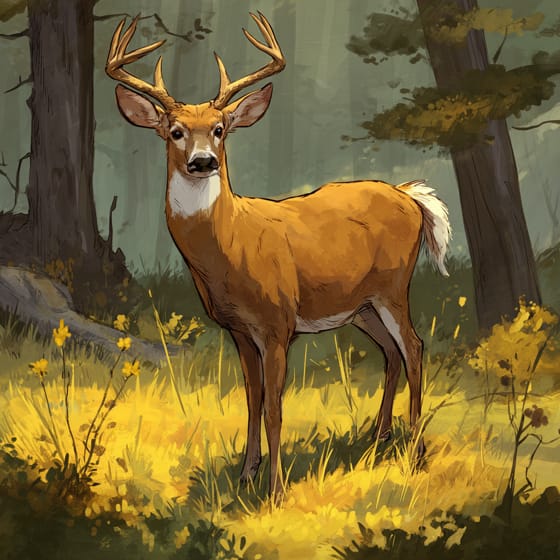
Odocoileus virginianus
Deer occasionally browse the leaves
Flowering plants are any plants that produce flowers as part of their reproductive cycle.
Shade tolerant plants are adapted to grow and thrive in areas with low light levels, requiring less direct sunlight.
Spring blooming plants produce their flowers during the spring season, often signifying the end of winter and the start of new growth.
Forest habitats are terrestrial environments dominated by dense tree cover, supporting a high diversity of plant and animal life.
No aliases listed yet.
Danger
1/5 · Very low
Explore with care and ask an adult if you’re unsure what to do.
30-75 cm
30-50 cm
2.5-4 cm
Spring to early summer
Yes
None
Perennial
Insect
Zoom in to split clusters and explore where this object has been snapped.
Recent snaps will appear here as new observations are added.

Wisconsin, US
You might spot White-Tailed Deer, Common Eastern Bumble Bee, and Duck.
View guide →

Minnesota, US
You might spot Rue Anemone, Eastern Skunk Cabbage, and Bloodroot.
View guide →
Illinois, US
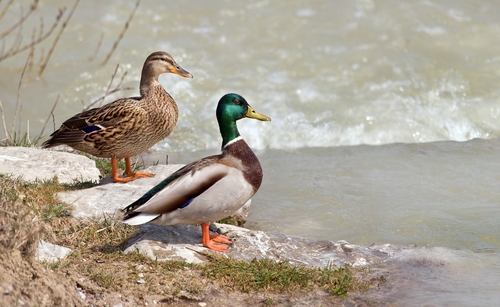
You might spot Duck, American Robin, and Black-Crowned Night Heron.
View guide →
Minnesota, US
You might spot Common Eastern Bumble Bee and Wood Nettle.
View guide →

Illinois, US
You might spot Pond Slider, Virginia Bluebells, and Canada Goose.
View guide →