Canada Goose

Nestled within Chicago's vibrant West Ridge neighborhood, Indian Boundary Park stands as a cherished 13.
Nestled within Chicago's vibrant West Ridge neighborhood, Indian Boundary Park stands as a cherished 13.22-acre urban retreat, seamlessly blending natural beauty with rich cultural experiences. More than just a green space, it's a designated cultural center housed within a distinctive 1929 Tudor-Revival fieldhouse, which itself is a historical landmark. The park offers a peaceful escape from city life, inviting visitors to explore its scenic landscapes and participate in a diverse array of community programs.
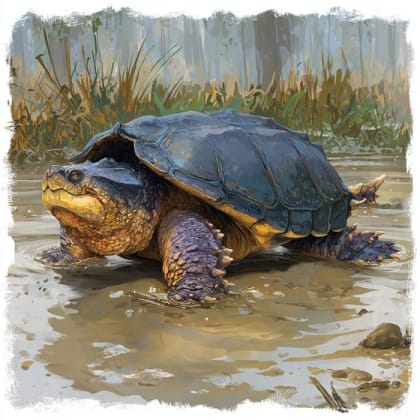
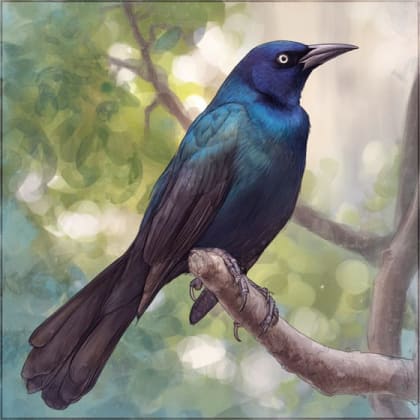
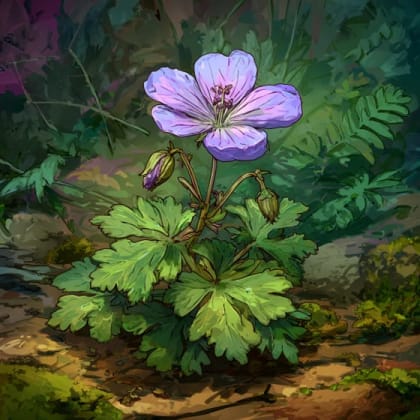
The park's natural areas are a haven for wildlife and plant life, centered around a beautifully restored nature area and a duck-filled lagoon. Keep an eye out for aquatic residents like the Common Snapping Turtle and Pond Slider, while the skies and trees host a variety of birds including the Canada Goose, Red-winged Blackbird, Black-crowned Night Heron, Great Blue Heron, Northern Cardinal, Common Grackle, and American Robin. The landscape is also dotted with native flora such as Virginia bluebells, common milkweed, golden Alexanders, and Virginia waterleaf, particularly vibrant during the spring and summer months.
Indian Boundary Park is a memorable destination for all ages. Children delight in the unique wooden playground, often described as having an "old school" vibe, and the interactive Nature Play Center, where imagination thrives. Beyond recreation, the park's cultural center hosts free, family-oriented concerts and offers a wide range of visual and performing arts programming. Its harmonious integration with the surrounding residential areas, with its eastern lawn gently flowing into neighboring front yards, adds to its welcoming and communal atmosphere, making it a true neighborhood treasure. Don't forget to bring the Snappit nature identification app along to scan local species.
Indian Boundary Park's history is deeply intertwined with the land's original inhabitants and Chicago's urban development. The park takes its name from a territorial boundary established by the Treaty of 1816 between the Pottawattomie Indians and the U.S. government, a boundary that ran directly through the area where the park now lies. This boundary remained in effect until 1833, when the Pottawattomies were displaced. The park itself began to take shape in 1915 when the Ridge Avenue Park District, one of Chicago's first neighborhood park commissions, started acquiring land. Landscape architect Richard F. Gloede designed the park's early layout, with improvements starting in 1918. The iconic Tudor-Revival fieldhouse, designed by architect Clarence Hatzfeld and featuring Native American-themed ornamentation, was completed in 1929. The park once housed a small zoo, which initially included a black bear and later farm animals, before closing in 2013. The fieldhouse earned a Chicago Landmark designation in 2005 and is also listed in the National Register of Historic Places, recognizing its significant architectural and historical value.
Stroll around the lagoon and observe waterfowl like Canada Geese and Great Blue Herons, or look for Common Snapping Turtles. Let children explore the expansive wooden playground and the creative Nature Play Center. Enjoy a picnic in one of the groves. Check the cultural center's schedule for live performances, art classes, or community events.
Spring: Witness the blooming of Virginia bluebells and common milkweed, and observe migratory birds.
Summer: Enjoy the children's water spray feature, outdoor concerts, and vibrant greenery.
Fall: Experience colorful foliage and prime birdwatching conditions.
Winter: The park maintains its beauty for peaceful walks, though outdoor activities are limited.
The Indian Boundary Cultural Center/Fieldhouse is listed as accessible. Many pathways within the park are likely paved or well-maintained, offering ease of access to various areas.
The historic Tudor-style Fieldhouse and Cultural Center
The beautifully restored Nature Area and Duck Lagoon
The unique wooden playground
The Nature Play Center for imaginative outdoor play
Each card links to a full Explore page with photos, traits, and fun facts.
Start with the big picture, then zoom in to explore individual wildlife observations around this place.
Bring binoculars
For optimal birdwatching around the lagoon, especially for species like the Great Blue Heron and Black-crowned Night Heron.
Pack a picnic
There are picnic tables available near the playground, perfect for a family meal amidst nature.
Check the cultural center schedule
Visit the Chicago Park District website for up-to-date information on free concerts, art classes, and other community events hosted at the fieldhouse.
Explore the Nature Play Center
Encourage children to engage with the natural materials and creative setups in this unique outdoor space.
Visit the wooden playground
Its "old school" charm and labyrinthine structure offer a different play experience compared to modern playgrounds.
Permit for large groups
If you are visiting with a party of 20 or more, remember to contact the park staff in advance to inquire about permits.
Mar 1, 2026
Feb 28, 2026
Feb 27, 2026
Feb 26, 2026
Feb 26, 2026

Maryland, US
You might spot White-Tailed Deer and Eastern Gray Squirrel.
View guide →
.jpg)
District of Columbia, US
You might spot Eastern Gray Squirrel, Duck, and House Sparrow.
View guide →

Illinois, US
You might spot American Robin, Canada Goose, and House Sparrow.
View guide →

Virginia, US
You might spot Spotted Lanternfly and Northern Cardinal.
View guide →
Take the discovery with you
Identify the wildlife you spot, learn as you go, and keep a collection of the adventure.