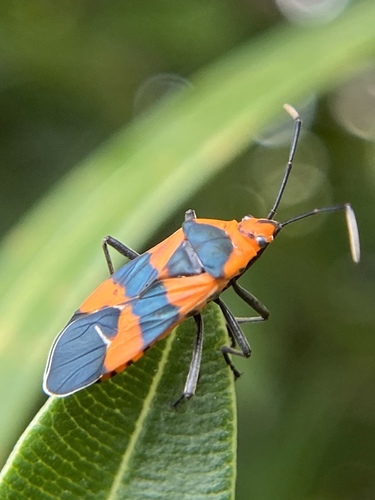





Erythrischius
erythrischius
Der Erythrischius, ein auffälliges Mitglied der Ordnung der Schnabelkerfe (Hemiptera) und der Familie der Bodenwanzen (Lygaeidae), ist oft an seiner lebhaften Färbung und seiner Verbindung zu Seidenpflanzen zu erkennen. Dieses faszinierende Insekt spielt eine Rolle in den komplexen Ökosystemen, in denen seine Wirtspflanzen gedeihen. Während sein gebräuchlicher Name 'Erythrischius' vielleicht nicht weit bekannt ist, sind seine taxonomischen Verwandten, die Seidenpflanzenwanzen, in Wiesen und Feldern verschiedener Regionen ein vertrauter Anblick. Diese widerstandsfähigen Insekten haben einzigartige Anpassungen entwickelt, einschließlich der Fähigkeit, Toxine aus ihrer Nahrungsquelle zu speichern, was sie für viele Räuber ungenießbar macht. Sie sind ein Paradebeispiel für Aposematismus in der Insektenwelt und nutzen ihre hellen Muster als Warnsignal.
Lebensraum: In offenen, sonnigen Gebieten wie Wiesen, Feldern, Straßenrändern und gestörten Flächen zu finden, wo seine Wirtspflanze, die Seidenpflanze, reichlich wächst.
Erythrischius zeigt ein lebhaftes Muster aus Orange und Schwarz, das als deutliches Warnsignal für potenzielle Räuber dient. Sein Körper ist etwas länglich und mäßig abgeflacht, typischerweise zwischen 1 und 2 Zentimetern lang. Im Ruhezustand bilden die Flügel oft eine markante X-Form über dem Rücken. Die Antennen sind relativ lang und segmentiert, meist schwarz, und seine Beine sind ebenfalls schwarz, was einen Kontrast zu den orangefarbenen Körpersegmenten bildet. Der Kopf ist klein und trägt auffällige Komplexaugen.
Kategorie
InsektenSeltenheit
Gewöhnlich
Gefahr
1/5 · Sehr gering
Snaps
Mach den ersten Snap!
Erythrischius-Nymphen sehen aus wie kleinere, flügellose Versionen der erwachsenen Tiere und durchlaufen eine unvollständige Metamorphose, bei der sie sich mehrmals häuten, bevor sie die Geschlechtsreife erreichen.
Die Toxine, die sie aus der Seidenpflanze aufnehmen, sind Herzglykoside, dieselben Verbindungen, die die Seidenpflanze für viele Wirbeltiere gefährlich machen.
Ihre leuchtenden Warnfarben sind ein klassisches Beispiel für Aposematismus, der potenziellen Räubern effektiv ihre Toxizität signalisiert.
Man findet sie oft in großen Gruppen, besonders an Seidenpflanzen-Samenschoten, wo sie fressen und sich paaren.
Erythrischius zeigt leuchtende orangefarbene und schwarze Muster. Diese auffällige Färbung dient als Warnsignal für Raubtiere und weist auf seine Toxizität oder Ungenießbarkeit hin.
Dieses Insekt kann sich von giftigen Seidenpflanzen ernähren und Herzglykoside unbeschadet in seinem Körper speichern. Diese Toxine machen die Wanze für viele potenzielle Raubtiere ungenießbar oder sogar giftig.
Bei Bedrohung kann Erythrischius übelriechende Abwehrstoffe ausstoßen. Dieses chemische Abschreckungsmittel hält Raubtiere weiter davon ab, sie zu fressen.
Erythrischius ist ein spezialisierter Pflanzenfresser, der sich hauptsächlich von verschiedenen Teilen von Seidenpflanzen ernährt. Er verwendet seine stechend-saugenden Mundwerkzeuge, um Saft und Nährstoffe zu entnehmen, wobei er eine besondere Vorliebe für Seidenpflanzensamen hat.
Altersunterschiede: Nymphen haben ähnliche Fressgewohnheiten wie adulte Tiere und konsumieren hauptsächlich Seidenpflanzensaft und sich entwickelnde Samen.

Asclepias syriaca
Erythrischius ernährt sich hauptsächlich von dieser Pflanze und legt seine Eier auf ihr ab.
Turdus migratorius
Trotz ihrer Toxizität können einige Generalistenräuber gelegentlich Erythrischius fressen.
Family Tachinidae
Bestimmte Arten dieser Fliegen legen ihre Eier auf oder in der Nähe von Erythrischius ab, wobei sich die Larven im Wirt entwickeln.

Danaus plexippus
Beide Arten sind für Nahrung und Fortpflanzung auf Seidenpflanzen angewiesen, was zu potenzieller Ressourcenkonkurrenz führt.
Pelzig beschreibt Tiere, die eine dichte Schicht aus weichen Haaren oder Fell besitzen.
Soziale Tiere leben in organisierten Gruppen und kooperieren, um ihr Überleben zu sichern, beispielsweise bei der Nahrungssuche, Verteidigung und Aufzucht der Jungen.
Dieses Merkmal kennzeichnet Organismen, deren Ernährung sowohl pflanzliche als auch tierische Bestandteile umfasst.
Waldlebensräume sind terrestrische Lebensräume, die von dichtem Baumbestand dominiert werden und eine große Vielfalt an Pflanzen- und Tierarten beherbergen.
Nachtaktive Tiere sind hauptsächlich in den Nachtstunden aktiv und ruhen oder schlafen normalerweise tagsüber.
Noch keine Alternativnamen vorhanden.
Sammlungen für dieses Objekt erscheinen hier, wenn weitere Themen hinzugefügt werden.
Gefahr
1/5 · Sehr gering
Noch keine besonderen Sicherheitshinweise.
Achte auf sechs Beine, Fühler, drei Körperabschnitte und die Form der Flügel. Käfer haben gehärtete Vorderflügel, Fliegen nur ein funktionierendes Flügelpaar. Winzige Insekten müssen oft aus der Nähe betrachtet werden, bevor ihre Gruppe klar wird. Insekten bestimmen: Lade ein Foto hoch und vergleiche die sichtbaren Merkmale.
1-2 cm
2-4 cm
0.0001-0.0005 kg
0-1 Jahre
Erythrischius ist ein spezialisierter Pflanzenfresser, der sich hauptsächlich von verschiedenen Teilen von Seidenpflanzen ernährt. Er verwendet seine stechend-saugenden Mundwerkzeuge, um Saft und Nährstoffe zu entnehmen, wobei er eine besondere Vorliebe für Seidenpflanzensamen hat.
In offenen, sonnigen Gebieten wie Wiesen, Feldern, Straßenrändern und gestörten Flächen zu finden, wo seine Wirtspflanze, die Seidenpflanze, reichlich wächst.
Futtersuche
Zoome hinein, um Cluster aufzulösen und zu sehen, wo dieses Objekt fotografiert wurde.
Neueste Snaps erscheinen hier, wenn neue Beobachtungen hinzukommen.
Nimm die Entdeckung mit
Fotografiere deinen Fund mit Snappit, bestimme die Art und füge die Entdeckung deiner Sammlung hinzu.