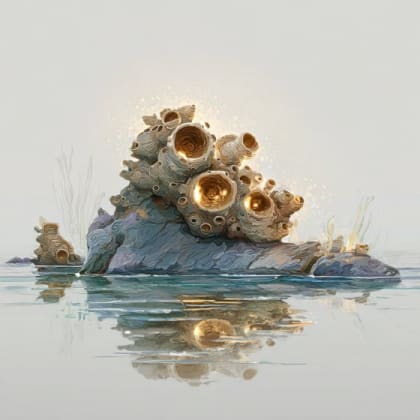
.jpg&width=800)





Idiobates Castaneus
idiobates castaneus
Der Idiobates Castaneus ist ein faszinierendes kleines Geschöpf, das sich gerne unter Blättern versteckt! Es ist bekannt für seine einzigartigen Farben und Muster, die ihm helfen, sich in seine Umgebung einzufügen.
Lebensraum: Wälder und feuchte Gebiete
Der Idiobates Castaneus ist eine winzige, dunkel rotbraune Milbe mit einem harten, kugelförmigen Körper, der einem polierten Minisamen ähnelt. Er hat acht kurze Beine und eine robuste, schützende Hülle, die ihm ein käferartiges Aussehen verleiht, das sich von anderen weichkörperigen Milben unterscheidet.
Kategorie
InvertebrateSeltenheit
Common
Gefahr
1/5 · Sehr gering
Snaps
Mach den ersten Snap!
Idiobates Castaneus kann winzige Pilzsporen tragen und hilft so, sie durch den Wald zu verbreiten.
Ihre zähe Außenschale ermöglicht es ihnen, lange, trockene Perioden im Boden vergraben zu überleben.
Diese Milben leben oft mehrere Jahre, was für eine winzige Milbe unglaublich alt ist!
Wenn sie erschreckt werden, können einige dieser Milben sich tot stellen und sehen dann aus wie ein Schmutzfleck!
Idiobates Castaneus hat ein außergewöhnlich hartes, dunkles Exoskelett, das es vor Raubtieren und rauen Bedingungen schützt und es sehr widerstandsfähig macht.
Idiobates Castaneus kann zähes totes Pflanzenmaterial verdauen und es dank spezieller Enzyme in Nährstoffe für den Boden zerlegen.
Seine dunkle, erdige Färbung hilft Idiobates Castaneus, sich perfekt mit Laubstreu und Erde zu vermischen, wodurch es schwer zu entdecken ist.
Diese winzigen Milben fressen hauptsächlich verrottende Blätter und Pilze und helfen so, Nährstoffe zu recyceln.
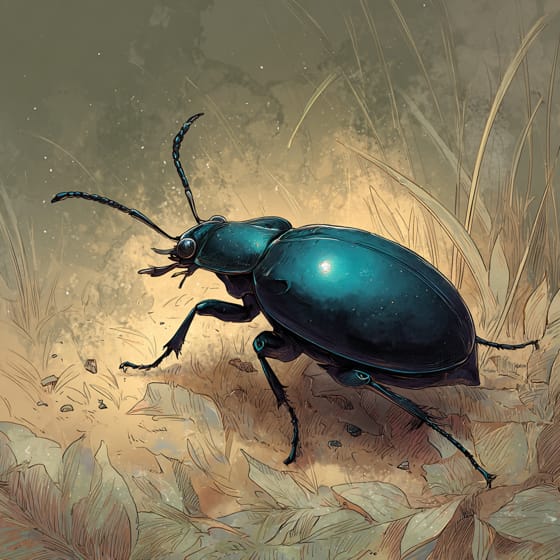
Pterostichus melanarius
Käferlarven jagen kleine Bodenvirbellose.
Formica rufa
Ameisen suchen weitläufig nach Nahrung und fressen kleine Wirbellose.
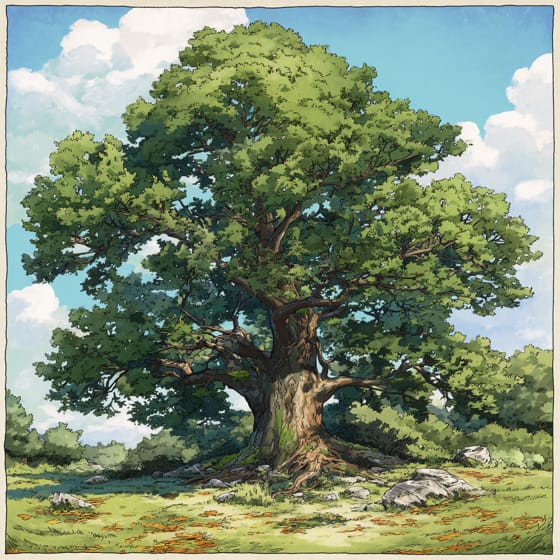
Quercus robur
Lebt in Laubstreu, die von heruntergefallenen Eichenblättern gebildet wird.
Trametes versicolor
Verzehrt verrottendes Pilzmaterial in ihrem Lebensraum.
Einzelgänger leben den größten Teil ihres Lebens allein und interagieren mit Artgenossen nur zur Paarung oder zur Aufzucht der Jungen.
Farbenfroh beschreibt Organismen oder Objekte, die eine große Vielfalt an leuchtenden und deutlich erkennbaren Farben aufweisen.
Getarnt beschreibt Organismen, die über eine Färbung oder Musterung verfügen, durch die sie mit ihrer Umgebung verschmelzen.
Dieses Merkmal kennzeichnet Lebewesen, deren Ernährung vollständig oder hauptsächlich aus pflanzlichem Material besteht.

Nachtaktive Tiere sind hauptsächlich in den Nachtstunden aktiv und ruhen oder schlafen normalerweise tagsüber.
Gefahr
1/5 · Sehr gering
Beobachten Sie immer aus der Ferne und berühren Sie Wildtiere nicht.
Der einfachste Weg, Idiobates Castaneus zu bestimmen, ist die Verwendung der Naturführer-App Snappit.
0.5 mm
0.002 mg
1.5 Jahre
Diese winzigen Milben fressen hauptsächlich verrottende Blätter und Pilze und helfen so, Nährstoffe zu recyceln.
Wälder und feuchte Gebiete
Futtersuche
Zoome hinein, um Cluster aufzulösen und zu sehen, wo dieses Objekt fotografiert wurde.
Neueste Snaps erscheinen hier, wenn neue Beobachtungen hinzukommen.
Nimm die Entdeckung mit
Fotografiere deinen Fund mit Snappit, bestimme die Art und füge die Entdeckung deiner Sammlung hinzu.