


Johnnytuck
triphysaria eriantha
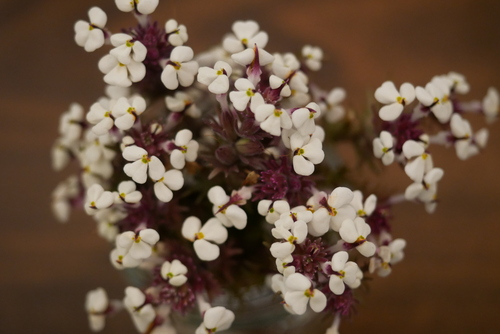
Johnnytuck (Triphysaria eriantha) ist eine bezaubernde einjährige Wildblume, die in den Grasländern und offenen Feldern Kaliforniens und Oregons beheimatet ist. Diese zur Sommerwurzgewächse-Familie (Orobanchaceae) gehörende zarte Krautpflanze ist bekannt für ihre faszinierende Lebensweise als fakultativer Hemiparasit. Obwohl Johnnytuck vollständig in der Lage ist, seine eigene Energie durch Photosynthese zu erzeugen, sucht sie aktiv die Wurzeln benachbarter Pflanzen, wie einheimische Gräser und Goldfields, auf, um zusätzliches Wasser und essentielle Nährstoffe abzuleiten. Diese clevere Überlebensstrategie ermöglicht es ihr, in nährstoffarmen Böden zu gedeihen, wo andere Pflanzen Schwierigkeiten hätten. Im Frühling verwandelt Johnnytuck trockene Wiesen in lebendige Farbenspiele. Ihre skurrilen gelb-weißen Blüten ähneln Miniatur-Löwenmäulchen und sind ein Magnet für heimische Bestäuber, insbesondere Hummeln. Als Schlüsselkomponente westlicher Vernal-Pool-Ökosysteme und Küstenprärien spielt Johnnytuck eine wichtige ökologische Rolle, indem sie die lokale Biodiversität unterstützt und zum komplexen Netzwerk von Pflanzen-Pflanzen-Interaktionen beiträgt, die ihre heimischen Lebensräume definieren.
Lebensraum: Findet sich in offenen Grasländern, Vernal Pools, Chaparral und Küstenbuschland in ganz Kalifornien und im südlichen Oregon.
Diese niedrig wachsende krautige Wildblume erreicht typischerweise Höhen von 10 bis 35 Zentimetern. Sie weist schlanke, dunkel-purpurgrüne Stängel auf, die mit feinen, wolligen Haaren bedeckt sind. Die Blätter sind tief in schmale, fadenförmige Lappen geteilt. Das auffälligste Merkmal ist ihr markanter Blütenstand: endständige Ähren von beutelartigen Blüten mit einer prominenten dreilappigen Unterlippe. Diese Blüten zeigen eine wunderschöne Kombination aus leuchtendem Buttergelb und cremigem Weiß, die winzigen Taschen oder aufgeblasenen Blasen ähneln. Zarte, purpurfarbene Brakteen umrahmen oft die Blüten und tragen zu ihrem farbenfrohen und zarten Aussehen bei.
Kategorie
PflanzenSeltenheit
Gewöhnlich
Gefahr
1/5 · Sehr gering
Snaps
Mach den ersten Snap!
Da sie Hemiparasiten sind, können Johnnytucks dominante Grasarten in heimischen Wiesen unterdrücken, wodurch andere zarte Wildblumen gedeihen können.
Aufgrund ihrer gelb-weißen Muster sind diese Pflanzen auch unter dem gebräuchlichen Namen 'Butter-und-Eier' bekannt.
Der Gattungsname Triphysaria bedeutet übersetzt 'drei Blasen', was die aufgeblasenen, beutelartigen Unterlippen ihrer Blüten perfekt beschreibt.
Erzeugt chemische Energie mittels Photosynthese und entzieht gleichzeitig Wasser und lebenswichtige Mineralien den Wurzeln nahegelegener Wirtspflanzen.
Für dieses Objekt sind noch keine Merkmal-Badges vergeben.
Noch keine Alternativnamen vorhanden.
Sammlungen für dieses Objekt erscheinen hier, wenn weitere Themen hinzugefügt werden.
Gefahr
1/5 · Sehr gering
Noch keine besonderen Sicherheitshinweise.
Beginne mit der ganzen Pflanze und vergleiche dann Blattstellung, Blattränder, Stängel und eventuelle Blüten oder Früchte. Gegenständige Blätter wachsen paarweise, wechselständige einzeln am Stängel. Zusammen verraten diese Details weit mehr als ein einzelnes grünes Blatt. Pflanzen bestimmen: Lade ein Foto hoch und vergleiche die sichtbaren Merkmale.
10-35 cm
bis zu 1 Jahre
Erzeugt chemische Energie mittels Photosynthese und entzieht gleichzeitig Wasser und lebenswichtige Mineralien den Wurzeln nahegelegener Wirtspflanzen.
Findet sich in offenen Grasländern, Vernal Pools, Chaparral und Küstenbuschland in ganz Kalifornien und im südlichen Oregon.
Parasitismus
Zoome hinein, um Cluster aufzulösen und zu sehen, wo dieses Objekt fotografiert wurde.
Neueste Snaps erscheinen hier, wenn neue Beobachtungen hinzukommen.
Nimm die Entdeckung mit
Fotografiere deinen Fund mit Snappit, bestimme die Art und füge die Entdeckung deiner Sammlung hinzu.


















